Authorities in Meghalaya have imposed movement restrictions across at least 15 villages in the East Jaintia Hills district after African Swine Fever was confirmed in the region. Officials confirmed the outbreak on Wednesday, triggering an emergency response that has shuttered local pig markets and frozen transport of pork products. The disease, which kills most infected animals within weeks, poses a severe threat to the northeastern state's lucrative pig-rearing sector.
Outbreak Confirmed After Rising Pig Deaths
Local veterinarians first raised alarms when farm owners in four affected villages reported sudden deaths among their herds. Laboratory tests conducted at a regional animal health facility confirmed the presence of African Swine Fever virus. The state's Animal Husbandry and Veterinary Department immediately dispatched response teams to the affected areas. Officials have begun culling susceptible animals within a one-kilometre radius of confirmed cases.
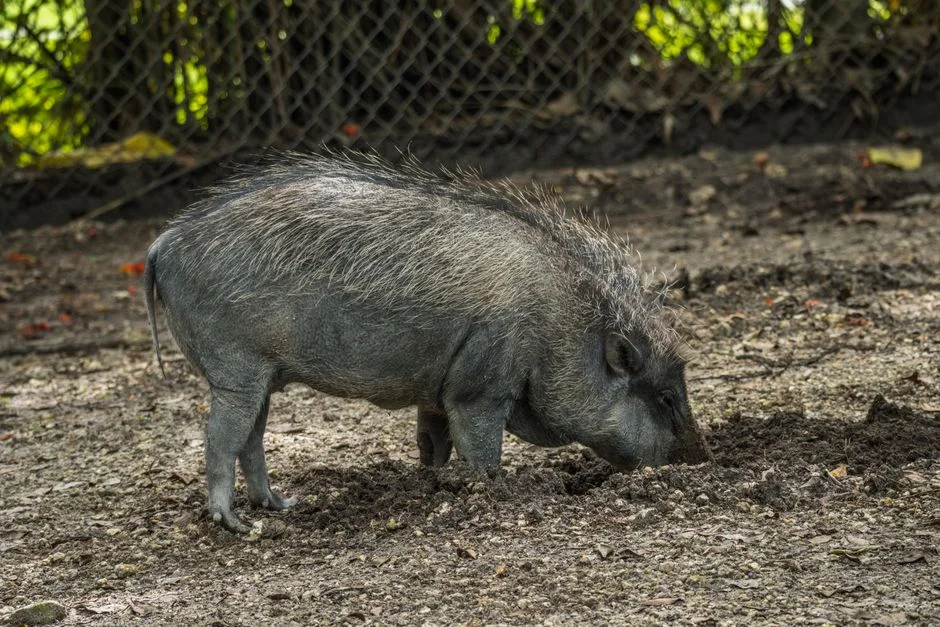
Meghalaya's pig population supports thousands of rural families who rely on pig-rearing for income and nutrition. The state government has allocated emergency funds to compensate affected farmers, though exact figures remain under discussion. Authorities are working with village councils to identify all households that have lost animals to the disease or culling operations.
Containment Measures and Movement Restrictions
Road checkpoints have appeared at key entry points to affected villages, with security personnel turning back pig transporters and pork products. The state government has banned the sale and consumption of pork from the affected district pending further notice. Officials have urged farmers to report any further unexplained pig deaths immediately to veterinary authorities.
The restrictions have disrupted supply chains that extend well beyond Meghalaya's borders. Traders who previously sourced piglets from the region say they are now struggling to find alternative suppliers. Local consumers have reported shortages at markets in Shillong, the state capital, where pork is a dietary staple.
Wild Boar Link Under Investigation
Authorities are investigating whether wild boar populations in the surrounding hills may have introduced the virus. African Swine Fever can spread through contact with infected wild animals, contaminated feed, or movement of infected pork products. The region's proximity to international borders has raised concerns about cross-border transmission, though officials say no confirmed link has been established. Wildlife officials have been asked to increase monitoring of forest areas near affected villages.
Why Nigerian Readers Should Pay Attention
African Swine Fever takes its name from its continent of origin, where it has plagued pig industries for decades. Nigeria confirmed its own outbreak in 2021, devastating smallholder pig farms across multiple states. The disease remains endemic in many parts of sub-Saharan Africa, where pork production supports millions of livelihoods. Scientists tracking the global spread of ASF have documented how the virus moves along trade routes and adapts to new environments.
The Meghalaya outbreak illustrates how quickly the disease can emerge far from Africa when biosecurity lapses occur. International pork trade, including products intended for restaurants and food processing, creates pathways for viral transmission across continents. Nigerian pig farmers and veterinary authorities have long struggled with ASF control due to limited resources and weak surveillance systems.
Episodes like the current crisis in India generate data that African health officials can use to improve their own response strategies. Vaccine research ongoing in several African countries may benefit from tracking how the virus behaves in diverse climates and pig breeds. The Meghalaya response, whatever its outcome, will add to a growing body of knowledge about containing ASF under field conditions.
Lessons for African Livestock Development
The outbreak underscores a challenge that African nations know too well: controlling animal diseases requires robust early warning systems and rapid deployment capabilities. Many African countries lack sufficient veterinary laboratories to confirm ASF diagnoses quickly, leading to delayed responses that allow the virus to establish itself. Meghalaya's situation demonstrates how a functioning veterinary system can identify threats and act before they become catastrophic.
Smallholder farmers on both continents face similar vulnerabilities. When ASF strikes, culling measures aimed at protecting the broader industry impose disproportionate losses on the poorest producers. Governments in Nigeria and elsewhere have struggled to deliver compensation quickly enough to prevent farmers from selling infected animals through informal channels, which further spreads the disease.
The continental challenge of ASF control ultimately connects agricultural policy, food security, and rural poverty reduction. Development organisations working across Africa have identified the pig sector as an important pathway out of poverty for women and young people. Protecting that potential requires sustained investment in animal health infrastructure, not just emergency responses when outbreaks occur.
What Comes Next
Meghalaya's Veterinary Department expects to release updated surveillance data within the next ten days. If no new cases emerge outside the current containment zone, authorities may begin easing restrictions on unaffected villages. Compensation claims from culled animals will take longer to process, officials said, as verification procedures require farm visits during an ongoing outbreak.
Watchers of the global ASF situation will be looking to see whether the Indian response can achieve what many African nations have struggled to accomplish. The disease has no approved treatment and no widely available vaccine, making containment the only tool available until animals are immune or the virus burns out. For pig farmers in Meghalaya and beyond, the coming weeks will determine whether this outbreak stays local or becomes another chapter in ASF's relentless global advance.
See Also
- Mozambique Receives $58.1 Million in Donations for Flood Victims - Analysis of Impact on Africa's Development Goals
- Parents Blame Social Media 'Blackout Challenge' for 9-Year-Old's Death
See AlsoMozambique Receives $58.1 Million in Donations for Flood Victims - Analysis of Impact on Africa's Development GoalsParents Blame Social Media 'Blackout Challenge' for 9-Year-Old's Death Scientists tracking the global spread of ASF have documented how the virus moves along trade routes and adapts to new environments.The Meghalaya outbreak illustrates how quickly the disease can emerge far from Africa when biosecurity lapses occur.