The Democratic Republic of the Congo has confirmed a fresh wave of Ebola virus disease in its eastern provinces, resulting in at least 80 deaths and triggering urgent border controls. This emerging health crisis threatens to disrupt regional trade routes and strain healthcare systems across Central and East Africa. The outbreak underscores the persistent vulnerability of African infrastructure to infectious diseases despite decades of development efforts.
Rapid Spread in Eastern Provinces
Health officials in the Democratic Republic of the Congo reported the surge in cases this week, with the virus spreading rapidly through densely populated urban centers. The Ministry of Public Health in Kinshasa announced that the current strain is particularly aggressive, leading to a higher mortality rate than previous outbreaks. Medical teams are racing to isolate patients in makeshift clinics in Goma and Bukavu, two cities that serve as critical economic hubs for the region.
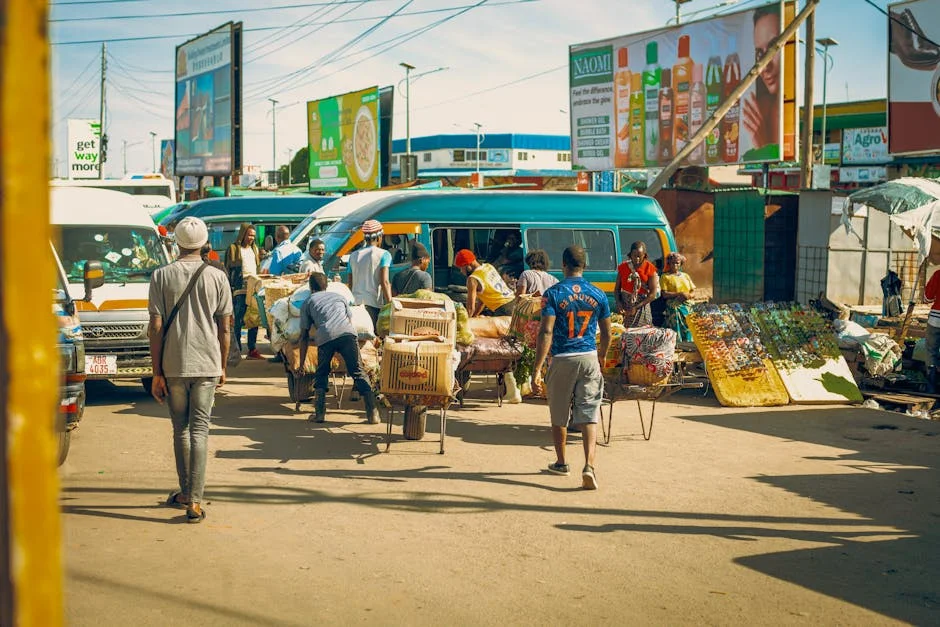
The speed of the transmission highlights gaps in the continent's primary healthcare networks. Many rural communities rely on a single clinic that may lack basic protective equipment or reliable electricity for vaccine storage. This structural weakness allows diseases like Ebola to gain a foothold before national authorities can mount a coordinated response. The World Health Organization has deployed emergency teams to support local efforts, but the logistical challenges remain immense.
Uganda’s Border and Economic Impact
Uganda shares a porous border with the Democratic Republic of the Congo, making it the first line of defense against the virus spreading further east. Authorities in Kampala have intensified screening at key crossing points, including the busy Malaba border post. These measures aim to contain the outbreak but have already begun to slow the flow of goods and commuters. For a country like Uganda, where cross-border trade contributes significantly to the GDP, even a minor disruption can have ripple effects on inflation and supply chains.
Trade Disruptions and Inflation Risks
The economic implications extend beyond the immediate neighbors. Uganda exports significant amounts of agricultural produce and manufactured goods to the Congo, while importing fuel and machinery in return. If the border remains tight for several weeks, transport costs will rise, leading to higher prices for consumers in Kampala and beyond. This scenario illustrates how health crises in one part of Africa can quickly become economic shocks for the entire continent. Investors are watching closely to see if the Uganda Shilling will face pressure due to the uncertainty.
Understanding how Uganda affects Nigeria is also relevant in this context, as both nations are key players in the East African Community and the broader African Continental Free Trade Area. Disruptions in Uganda’s supply chains can delay shipments that were destined for West African markets via the Lake Victoria corridor. This interconnectedness means that a health emergency in Goma can eventually impact the cost of living in Lagos or Abuja. The pandemic era taught Africans that no single nation is an island when it comes to disease and trade.
Infrastructure Deficits Exposed
The current Ebola outbreak serves as a stark reminder of the infrastructure deficits that hinder African development goals. Reliable roads are essential for moving medical supplies and patients, yet many roads in eastern Congo are still under repair or prone to seasonal flooding. Without all-weather roads, the time it takes for a patient to reach a treatment center can double, significantly increasing the risk of death. This is not just a health issue; it is a fundamental infrastructure challenge that affects economic productivity and social stability.
Electricity reliability is another critical factor. Vaccines and diagnostic tests often require consistent cold-chain storage, which depends on a stable power grid. In many parts of the Congo and Uganda, power outages are frequent, forcing hospitals to rely on expensive diesel generators. This increases the cost of healthcare delivery and makes it harder for governments to sustain long-term treatment programs. Investing in renewable energy and grid stability is therefore a public health imperative, not just an economic one.
Regional Cooperation and Governance
Effective response to the Ebola outbreak requires strong governance and seamless regional cooperation. The African Union has called for a unified approach, emphasizing the need for data sharing and joint procurement of medical supplies. However, bureaucratic delays and differing national priorities often slow down these efforts. The African Development Bank has highlighted the need for stronger institutional frameworks to manage cross-border health emergencies. This includes harmonizing health regulations and creating a regional emergency fund that can be accessed quickly when a crisis hits.
Governance also plays a crucial role in public trust. When citizens trust their health authorities, they are more likely to adopt preventive measures such as vaccination and social distancing. In many African countries, misinformation spreads quickly through social media and local radio, often outpacing official communications. Governments must invest in transparent communication strategies to counter rumors and ensure that communities are engaged in the response effort. This is a lesson from the West African Ebola epidemic, where community engagement was key to turning the tide.
Economic Resilience and Health Investment
The outbreak also raises questions about the economic resilience of African nations. Many countries have been focusing on post-pandemic recovery, with a significant portion of the budget allocated to debt servicing. This leaves less room for investment in health infrastructure and social safety nets. The International Monetary Fund has urged African governments to prioritize health spending to build long-term resilience. This means allocating more funds to primary healthcare, training medical staff, and upgrading laboratory capacities.
Private sector involvement is also critical. Pharmaceutical companies and logistics firms can play a major role in ensuring that vaccines and medicines reach the right places at the right time. Public-private partnerships can help bridge the gap between government capacity and on-the-ground needs. For example, local transport companies can be contracted to move patients from rural areas to treatment centers, creating jobs while improving health outcomes. This approach aligns with the broader goal of using health investments to drive economic growth.
Future Outlook and Key Indicators
The next few weeks will be critical in determining the trajectory of the Ebola outbreak. Health officials will be monitoring the reproduction number of the virus, which indicates how many new cases each infected person generates. If this number stays above one, the outbreak will continue to grow, putting more pressure on the healthcare system. The deployment of the new Ebola vaccine and the speed of its uptake will be key indicators of the response effectiveness. Readers should watch for updates from the World Health Organization and the African Union on these metrics.
Future Outlook and Key Indicators The next few weeks will be critical in determining the trajectory of the Ebola outbreak. The African Development Bank has highlighted the need for stronger institutional frameworks to manage cross-border health emergencies.