A trending commentary piece with the headline "Dear South Africa: Bafana Bafana are not the Springboks" has ignited fresh debate across social media about national identity, sporting priorities, and what it truly means to represent the rainbow nation on the global stage.
The Cultural Fault Line in South African Sport
South Africa has long grappled with a sporting identity that reflects its complex history. The Springboks, the national rugby team, achieved iconic status during the 1995 World Cup victory under Nelson Mandela — a moment that symbolised reconciliation for a fractured nation. Bafana Bafana, the football team, have never reached those heights on the world stage, winning the tournament just once in 1996 and failing to progress beyond the group stages in their two World Cup appearances in 1998 and 2010.
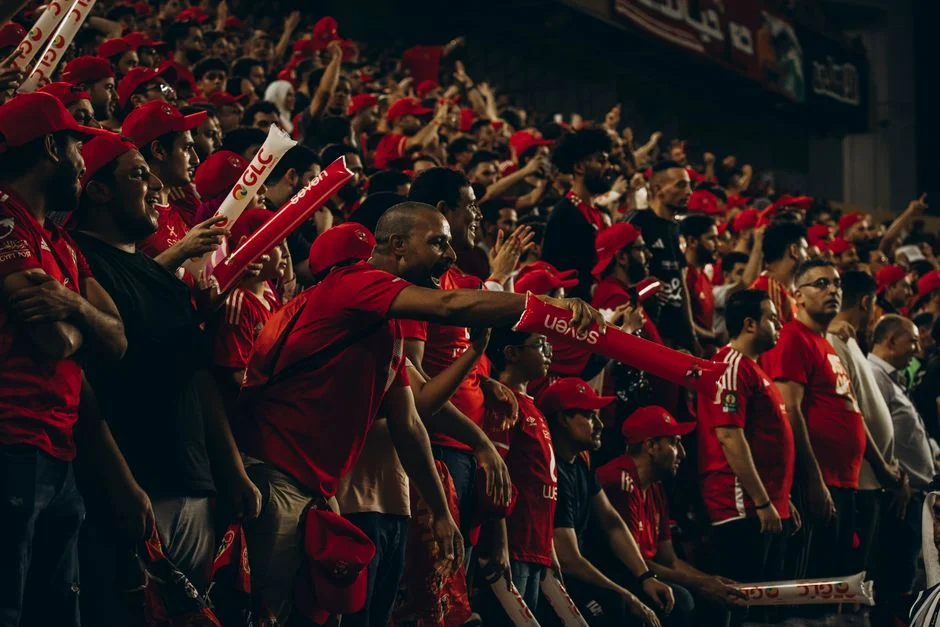
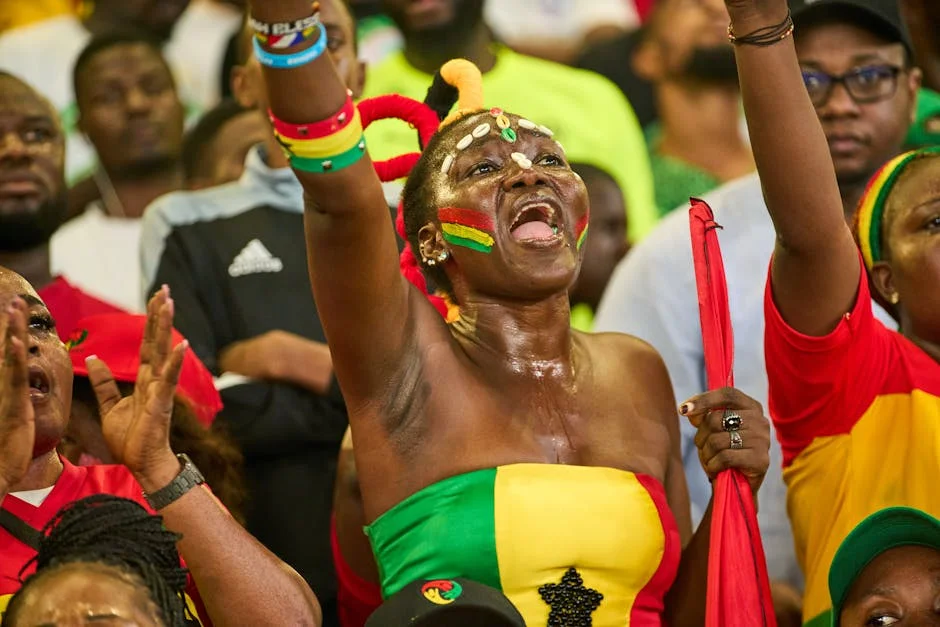
The commentary appears to be directed at South Africans who conflate the two teams or measure national sporting pride solely through rugby achievements. Rugby in South Africa has traditionally been seen as the sport of the white minority, while football commands overwhelming support among the Black majority population.
What This Debate Reveals About Post-Apartheid Sport
The piece resonates because it cuts to the heart of an ongoing tension in South African sport. Despite 30 years of democracy, the demographics of success remain uneven. The Springboks continued their dominance by winning the 2023 Rugby World Cup in France, while Bafana Bafana have struggled to qualify consistently for major tournaments.
Football administrators in the country point to structural challenges: underfunded academies, poor pitch infrastructure outside major cities, and a talent pipeline that fails to convert raw potential into world-class players. The South African Football Association has faced repeated criticism for governance issues that have stunted the sport's growth.
Grassroots Football vs Elite Rugby
The disparity plays out at the grassroots level. Across townships in Gauteng, KwaZulu-Natal, and the Western Cape, children kick footballs through dusty streets, dreaming of emulating global stars. Yet the facilities, coaching, and pathways available to these aspiring footballers lag far behind what young rugby prospects in private schools receive.
The Springbok brand has become commercially powerful, attracting sponsorship deals and government support that dwarf anything in South African football. This creates a vicious cycle where resources flow to the sport already perceived as more successful.
What This Means for African Sporting Ambitions
The South African debate carries weight beyond its borders. Across the continent, nations face similar questions about which sports to prioritise, how to distribute scarce development resources, and whether sporting success should be measured by international trophies or mass participation.
South Africa's sports economy generates billions of rands annually, with the rugby industry employing thousands in coaching, administration, media, and hospitality. Football's economic impact remains proportionally smaller despite its far broader fan base.
Development planners argue that football offers greater social returns — higher participation rates mean more citizens engaged in physical activity, with downstream benefits for public health systems already strained by HIV, tuberculosis, and non-communicable diseases.
Regional Rivalries and Pan-African Pride
Nigerian and South African sports fans have developed a rivalry across multiple disciplines, from football club competitions to continental championships. When the Springboks win globally, South Africans often claim continental honour — yet the rugby team draws its player base from a narrow segment of the population.
Bafana Bafana's struggles contrast sharply with Nigeria's Super Eagles, who have produced consistent continental results while building a robust domestic league that now attracts foreign investment. The comparison rankles many South Africans who feel their nation deserves greater recognition for its sporting depth.
The controversy also raises questions about how colonial-era sporting traditions continue to shape post-independence identities. Rugby arrived with British settlers; football spread through indigenous communities and urban migration. The two sports carry different cultural baggage that makes simple comparisons difficult.
Looking Ahead: Reform or Stalemate?
South Africa's Ministry of Sport has announced plans to review funding allocation between football and rugby, with a task force expected to deliver recommendations by the third quarter of 2025. The review will examine whether current spending reflects demographic reality or perpetuates colonial-era inequalities.
For now, the debate sparked by the viral commentary shows no signs of cooling. Whether it produces meaningful change or remains another in a long line of national conversations that fail to shift power remains to be seen. Watch this space — the outcome could reshape how South Africa — and by extension, the continent — thinks about sport, identity, and development priorities for years to come.
See Also
- Tragedy on Suleja Road: Multiple Crashes Leave One Dead, Several Injured
- East Africa's Diplomatic Dialogue: UN Special Envoy Meets Foreign Affairs Minister
Football's economic impact remains proportionally smaller despite its far broader fan base.Development planners argue that football offers greater social returns — higher participation rates mean more citizens engaged in physical activity, with downstream benefits for public health systems already strained by HIV, tuberculosis, and non-communicable diseases.Regional Rivalries and Pan-African PrideNigerian and South African sports fans have developed a rivalry across multiple disciplines, from football club competitions to continental championships. The review will examine whether current spending reflects demographic reality or perpetuates colonial-era inequalities.For now, the debate sparked by the viral commentary shows no signs of cooling.