Abula, a centuries-old strategic board game originating from Yoruba communities in southwestern Nigeria, is undergoing a remarkable transformation. Local advocates and cultural organisations are now pushing for global recognition, including a potential bid for UNESCO Intangible Cultural Heritage status, as part of broader efforts to elevate indigenous African games onto the world stage.
Roots in Yoruba Tradition
The game of Abula has been played in Yoruba-speaking regions for generations, with oral histories suggesting origins dating back several hundred years. Unlike many Western board games that emphasise individual competition, Abula is typically played by two players or teams and involves complex strategic movement across a carved wooden board. Local historians in Abeokuta and Ibadan have documented how the game served both recreational and educational purposes, teaching young people patience, tactical thinking, and social negotiation skills.
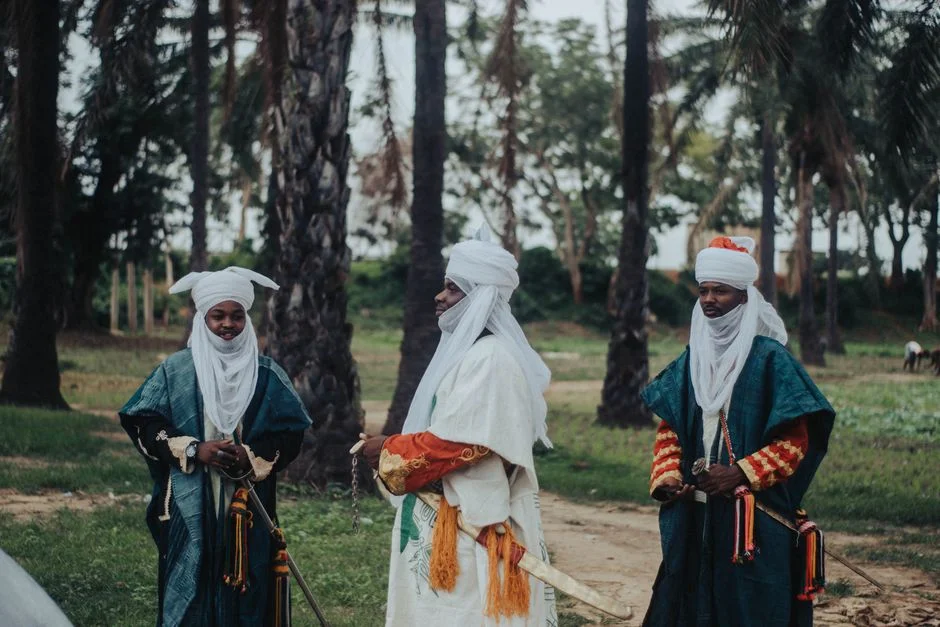
Traditional Abula boards are crafted from local hardwoods, with holes carved to hold seeds or small stones used as playing pieces. The game's name derives from the Yoruba word for the seeds employed during gameplay. Elders in Oyo and Ijebu communities have preserved the rules and variations, passing them down through oral instruction rather than written documentation.
Modern Revival Efforts
A coalition of cultural organisations based in Lagos has launched the Abula Global Initiative, aiming to standardise rules, create competitive formats, and introduce the game to international audiences. The initiative has already produced standardised tournament boards and organised regional competitions across six southwestern states, attracting participants ranging from primary school children to retired civil servants.
The Lagos-based Africa Games Development Council has thrown its weight behind the campaign, arguing that indigenous games represent an untapped resource for cultural diplomacy and economic development. Council representatives have met with officials from the Federal Ministry of Culture and Tourism to discuss potential government support for training programmes and export-ready game kits.
Economic Potential and Challenges
Proponents estimate that successful global positioning of Abula could generate significant revenue through tournament licensing, educational programmes, and artisan manufacturing. Traditional board makers in Abeokuta, known for their craftsmanship in woodcarving, could potentially scale production for international markets. However, advocates acknowledge significant hurdles remain, including establishing consistent rule sets across different regional variations and competing against established global board game brands.
UNESCO Bid and Cultural Significance
The campaign for UNESCO Intangible Cultural Heritage status represents the most ambitious element of the revival effort. Organisations involved in the bid point to successful precedents, including similar recognition granted to traditional games from other regions. The application process requires extensive documentation of the game's historical roots, current practice, and community significance—work that researchers at the University of Ibadan's Department of African Studies have been conducting over the past eighteen months.
Community leaders in Yoruba-speaking areas have embraced the initiative as a way to combat cultural erosion. Many worry that urbanisation and digital entertainment have reduced younger generations' engagement with traditional games. The Abula Global Initiative has responded by introducing simplified versions suitable for school curricula, partnering with primary schools in Ogun State to integrate the game into after-school programmes.
International Gaming Landscape
The global board game market has experienced substantial growth over the past decade, with market analysts reporting annual revenues exceeding several billion dollars. Industry observers note growing consumer interest in games with cultural depth and historical authenticity—trends that could benefit games like Abula. International gaming conventions in Germany and the United States have previously featured traditional African games, though rarely in competitive formats.
African game developers have begun exploring digital adaptations of traditional games, creating apps that teach Abula's mechanics and allow online play. These digital versions could serve as entry points for international audiences before transitioning to physical gameplay. However, developers emphasise that digital formats complement rather than replace traditional in-person play, which remains central to the game's social dimensions.
What Comes Next
The UNESCO application submission deadline is approaching, with the coalition planning to file documentation before the end of the current calendar year. Success would bring increased visibility and potential funding opportunities, though the recognition process typically spans several years. Separately, organisers are preparing for an inaugural Abula World Championship tentatively scheduled for the following year, with venues in Lagos and Abuja under consideration.
Advocates stress that beyond tournament prestige, the game's revival represents a larger conversation about African cultural ownership in the global creative economy. The question now is whether Abula can translate centuries of local tradition into sustainable international presence while retaining the community bonds that have preserved it until now.
See Also
- Cade Horton To Undergo Season-Ending UCL Surgery
- Major Study Unveils Cell 'Light Switches' — African Cancer Treatment Breakthrough
The application process requires extensive documentation of the game's historical roots, current practice, and community significance—work that researchers at the University of Ibadan's Department of African Studies have been conducting over the past eighteen months.Community leaders in Yoruba-speaking areas have embraced the initiative as a way to combat cultural erosion. The Abula Global Initiative has responded by introducing simplified versions suitable for school curricula, partnering with primary schools in Ogun State to integrate the game into after-school programmes.International Gaming LandscapeThe global board game market has experienced substantial growth over the past decade, with market analysts reporting annual revenues exceeding several billion dollars.
What is the latest news about nigerian indigenous game abula eyes unesco heritage status in cultural revival?
Why does this matter for health-medicine?
What are the key facts about nigerian indigenous game abula eyes unesco heritage status in cultural revival?