On Thursday, the Director-General of the World Health Organization (WHO), Dr. Tedros Adhanom Ghebreyesus, called for increased international funding to combat the escalating Ebola outbreak in the Democratic Republic of Congo (DRC). As of this week, health officials reported over 50 confirmed cases and more than 20 deaths linked to the virus in the North Kivu province, underscoring the urgent need for a robust response.
Current Ebola Situation in North Kivu
Health authorities in DRC are facing a daunting challenge as they try to contain the current surge of Ebola. The outbreak, which began earlier this month, has spread rapidly across multiple communities. Local health officials are working tirelessly to identify and isolate cases, but the disease continues to pose a significant threat to the population.
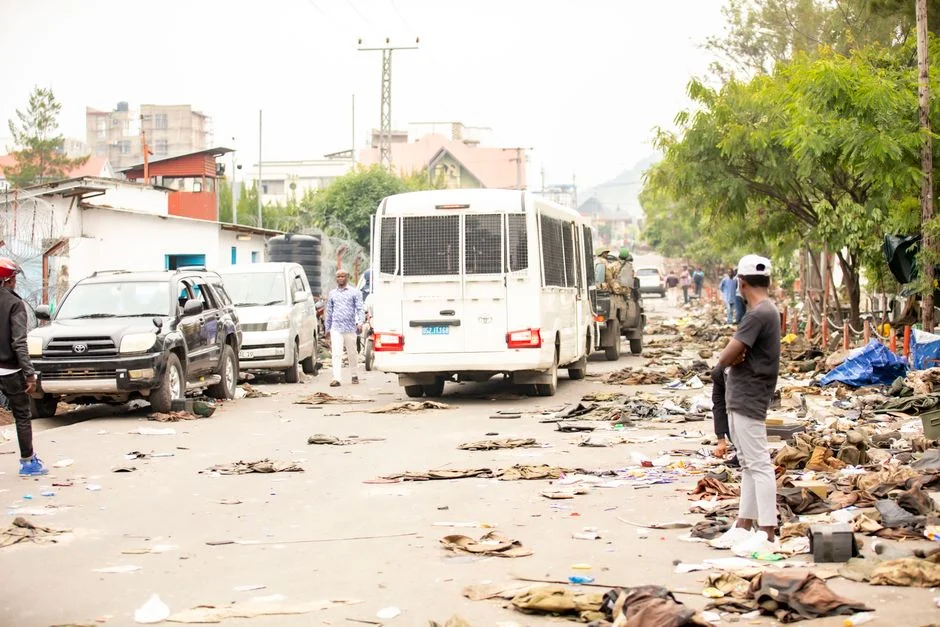
According to the Ministry of Health in Kinshasa, over 1,000 people are currently under surveillance for potential infection. This situation reflects ongoing challenges in managing public health crises in regions with limited infrastructure and resources. The WHO has been closely monitoring the outbreak and is deploying additional resources to support local efforts.
WHO's Response and Funding Appeals
Dr. Tedros expressed grave concern about the outbreak's trajectory and highlighted the need for immediate funding to facilitate response efforts. "Without adequate financial support, we risk losing lives and losing the battle against this deadly virus," he stated during a press conference.
The WHO is now appealing for at least $10 million to bolster rapid response interventions. These funds would be pivotal in facilitating medical supplies, training local health workers, and enhancing community awareness campaigns about prevention methods.
Impact on Regional Health Goals
This outbreak is not only a health crisis but also poses a significant challenge to broader African development goals, including the African Union's Agenda 2063. The goals aim to improve health systems across the continent, ensuring accessibility and resilience in the face of epidemics.
Efforts to combat Ebola are critical in helping to strengthen health systems in countries like Nigeria, which could face similar outbreaks in the future. Enhanced collaboration and resource-sharing between nations can lead to innovative solutions and preventive measures that benefit the region as a whole.
Community Engagement and Support
Local communities are pivotal to the effectiveness of the response. Engaging residents in health education and preventive measures is essential. In previous outbreaks, community-led initiatives have proven to be instrumental in diminishing transmission rates.
As part of the response strategy, the WHO is working with local organisations to promote safe burial practices and the importance of early reporting of symptoms. This grassroots approach empowers communities, fostering a sense of ownership in combating the outbreak.
The Role of International Partnerships
International collaboration has been a cornerstone in addressing health emergencies, and the current Ebola crisis underscores its importance. Partnerships between global health entities, local governments, and non-governmental organisations facilitate the sharing of knowledge, resources, and best practices.
Health experts from the CDC and Médecins Sans Frontières (Doctors Without Borders) have already been deployed to assist in the response efforts. Their expertise in managing infectious diseases is invaluable in navigating the complexities of the ongoing outbreak.
Looking Forward: What Comes Next?
As the situation evolves, Dr. Tedros emphasised that immediate action is crucial. The WHO's funding appeal will be pivotal in determining the success of the response. Stakeholders are expected to convene in the coming weeks to discuss additional support mechanisms and coordinate efforts across borders.
With the rainy season approaching, which often exacerbates health crises, swift action becomes even more imperative. Citizens, healthcare professionals, and governments alike must remain vigilant and prepared to support each other in this challenging time.
See Also
- DR Congo's Cobalt Mine Reveals 'Health Crisis' - Report Exposes Troubling Impact
- Algeria Draws Netherlands in Friendly — What the Match Reveals About North African Football