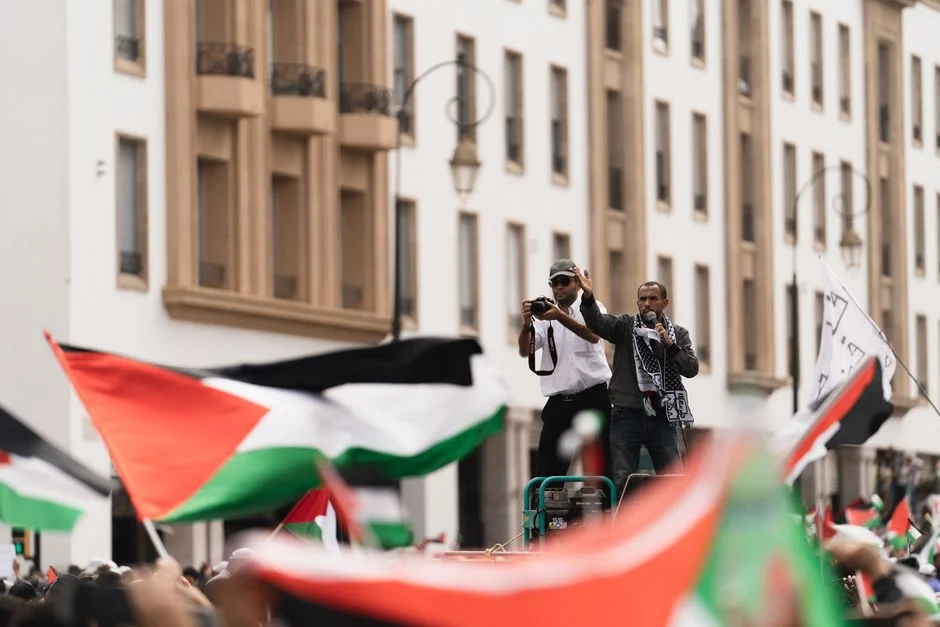
Prime Minister Abiy Ahmed's decision to exclude the Tigray region from Ethiopia's upcoming 2026 elections has triggered widespread unrest and raised questions about the country's political stability. As the ruling Prosperity Party prepares for the electoral process, Tigrayans find themselves sidelined, exacerbating tensions that have simmered since the civil conflict began in 2020.
Exclusion of Tigray: A Brewing Crisis
The exclusion of Tigray from the electoral process has been met with outrage from both local and international observers. The Tigray People's Liberation Front (TPLF), the dominant political force in the region, has condemned the decision, claiming it violates the democratic rights of Tigrayans. This exclusion not only further alienates a region already facing severe humanitarian challenges but also raises questions about the inclusivity of Ethiopia's democracy.

With the civil war resulting in over 600,000 deaths and displacing millions, the situation in Tigray is precarious. The absence of political representation could exacerbate existing grievances, leading to increased instability in a country already fraught with ethnic tensions. Activists are urging the international community to intervene and advocate for Tigray's inclusion in the electoral framework.
The Role of the Prosperity Party
The Prosperity Party, which Abiy Ahmed leads, has been accused of consolidating power while undermining democracy. Critics argue that the party's actions reflect a broader trend of authoritarianism in Ethiopian politics. By excluding Tigray from elections, the party not only risks escalating domestic conflict but also jeopardises Ethiopia's standing on the continent.
For Abiy Ahmed, the decision might seem politically expedient, but it could have long-term repercussions for governance and development in Ethiopia. The exclusion sends a message that the government prioritises control over dialogue and reconciliation, leading to increasing polarisation.
Humanitarian Crisis Worsens
The humanitarian situation in Tigray remains dire, with over 5.2 million people in need of assistance according to the UN's latest estimates. Access to basic services like food, healthcare, and education has been severely restricted, exacerbating the plight of the region's residents. With the government focused on Tigray's exclusion from elections, these pressing issues risk being overlooked.
Local NGOs and international aid agencies have warned that the lack of political representation for Tigray will hinder efforts to address the humanitarian crisis. In a statement, Médecins Sans Frontières noted that the absence of an inclusive governance structure prevents proper allocation of resources necessary for recovery and rebuilding.
Regional Implications and Responses
The exclusion of Tigray from national elections can have adverse effects beyond Ethiopia's borders. As a key player in the Horn of Africa, instability in Ethiopia often reverberates throughout the region, affecting neighbouring countries such as Eritrea and Sudan. The potential for renewed conflict could lead to increased refugee flows and strain regional stability.
Regional leaders and international bodies, including the African Union, have expressed concerns over the political climate in Ethiopia. Calls for dialogue and inclusive governance have intensified as stakeholders seek to mitigate the risk of further violence and instability.
Economic Consequences Ahead
The ongoing political turmoil and exclusionary practices of the government could undermine Ethiopia's economic growth, which had seen substantial gains in recent years. The country’s GDP growth, projected at around 6% for 2023, may suffer due to instability and decreased foreign investment. Investors are wary of placing their resources in a politically volatile environment.
Furthermore, Ethiopia’s ambitious infrastructure projects, which are vital for regional trade and economic integration, may also be jeopardised. A lack of political stability can hinder development efforts and divert necessary resources from critical economic initiatives.
Looking Ahead: What’s Next for Ethiopia?
As Ethiopia heads towards the 2026 elections, the situation in Tigray will remain a critical factor in the nation’s path forward. With increasing calls for inclusivity and democratization, observers will closely monitor how the Prosperity Party navigates these demands. Upcoming political discussions may determine whether Tigrayans will finally have a voice in shaping their future.
International attention is likely to intensify in the coming months, with the hope that diplomatic efforts will encourage a more inclusive political process. Ethiopia's trajectory will significantly impact not only its citizens but also its role in African development and regional stability.
See Also
- Adesina Honors Nigeria with Lifetime Award Amid Africa Development Push
- Shettima Confirms SpaceX Starlink Bolsters Nigeria Emergency Response
Ethiopia's trajectory will significantly impact not only its citizens but also its role in African development and regional stability. As a key player in the Horn of Africa, instability in Ethiopia often reverberates throughout the region, affecting neighbouring countries such as Eritrea and Sudan.
What is the latest news about prime minister abiy ahmed excludes tigray from 2026 elections tensions surge?
Why does this matter for politics-governance?
What are the key facts about prime minister abiy ahmed excludes tigray from 2026 elections tensions surge?