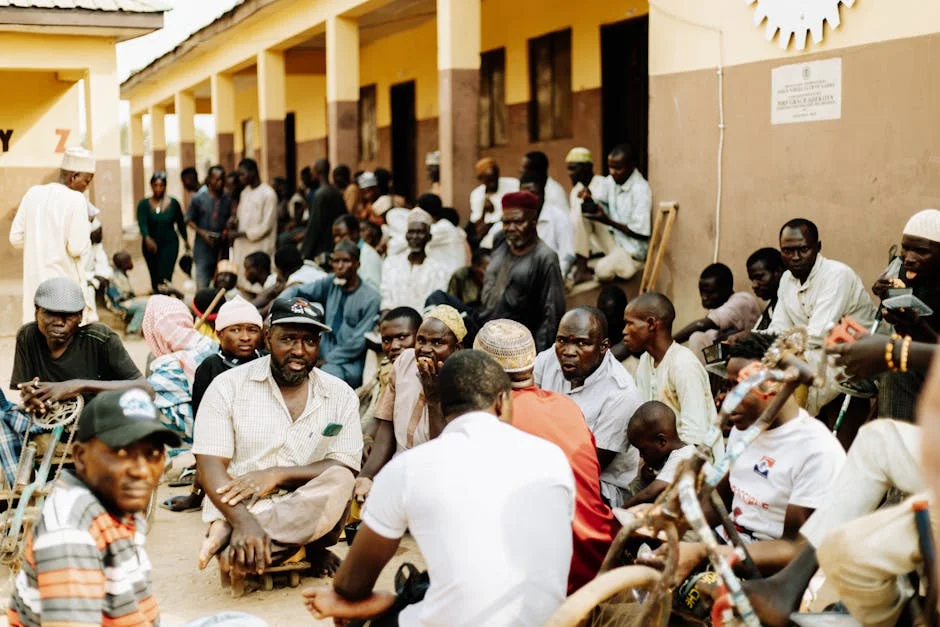
In a recent forum in Freetown, Sierra Leone, an Ebola survivor shared critical insights on the necessity of speed and compassion in addressing health crises in West Africa. The event, which took place on October 10, 2023, highlighted the enduring lessons from the Ebola outbreak that claimed over 11,000 lives between 2014 and 2016. Presentations from health experts underscored the vulnerabilities that persist in the region, emphasising the need for a more agile response to emerging health threats.
The Challenge of Speed in Health Responses
During the forum, Dr. Amara K. Jalloh, a prominent health official in Sierra Leone, stated that the rapid spread of Ebola in 2014 revealed the shortcomings in the region's health infrastructure. He noted that the initial response time was too slow, allowing the virus to spread unchecked. According to the World Health Organisation, effective crisis responses must be immediate and decisive, a sentiment echoed by various experts at the event.
Speed plays a crucial role not only in controlling outbreaks but also in fostering public trust in health systems. Jalloh emphasised that timely communication and transparent actions could save lives and make communities more resilient in the face of future health crises. In West Africa, where health systems are often strained, the lessons learned from the Ebola response are more relevant than ever.
Compassion: A Vital Component
Beyond speed, compassion emerged as a foundational aspect of effective health responses. Kunle Adetokunbo, another speaker at the forum, shared personal stories illustrating how empathy helped heal broken communities during the Ebola outbreak. He pointed out that compassion not only enhances patient care but also strengthens societal ties, which are essential for community solidarity in health crises.
The emotional toll of health epidemics can be overwhelming. Adetokunbo urged healthcare practitioners to incorporate psychological support in their care protocols. By addressing emotional and mental health needs, West African nations can create a more comprehensive health response that prioritises patient dignity alongside clinical outcomes.
Investment in Infrastructure and Training
Investment in health infrastructure is a critical takeaway from the Ebola crisis. The World Bank estimates that countries in West Africa need to invest at least $4.2 billion to upgrade health facilities and training programmes. This funding could enhance readiness for future outbreaks, ensuring that healthcare systems can respond effectively and efficiently.
Participants at the forum highlighted the importance of training local health workers. Skilled professionals are vital for identifying and responding to outbreaks quickly. By focusing on education and capacity building, West African nations can bolster their health systems against future threats.
Governance and Policy Implications
Governance also plays a significant role in health crisis management. Effective policies that prioritise health and welfare must be implemented at both national and regional levels. This requires collaboration among governments, non-governmental organisations, and international bodies.
Dr. Patricia Akoto, an advocate for health policy reform, warned that without strong governance frameworks, investments in healthcare might not yield the desired results. She called for transparent policies that hold governments accountable, ensuring that resources flow to where they are needed most.
Future Steps for West Africa
The lessons from the Ebola outbreak are clear: speed and compassion are essential in health crisis management. As West Africa faces ongoing health challenges—from infectious diseases to non-communicable diseases—it is crucial for leaders to apply these lessons to current and future contexts.
Looking ahead, there is a pressing need for regional cooperation. Upcoming health summits in early 2024 will provide an opportunity for stakeholders to discuss actionable strategies for improving health infrastructure across borders. By fostering collaboration, West African nations can better prepare for and respond to health emergencies, ultimately achieving the African Union’s health targets.
See Also
- Nigerian Indigenous Game Abula Eyes UNESCO Heritage Status in Cultural Revival
- Madlanga Commission Exposes 'Gifts' and Botched Cocaine Raids Shaking South Africa Police