Nigeria's President Bola Tinubu inaugurated a series of health facilities on Friday, significantly aiming to bolster the country's healthcare system. The initiative, which took place in Abuja, focuses on improving health services in both urban and rural areas, responding to the dire need for enhanced medical infrastructure throughout Nigeria.
New Facilities Address Growing Health Needs
During the commissioning event, Tinubu announced the establishment of 50 new health centres across various states in Nigeria, with an emphasis on rural communities that lack adequate medical services. This development aims to address the alarming statistic that approximately 60% of Nigerians have limited access to basic healthcare services.
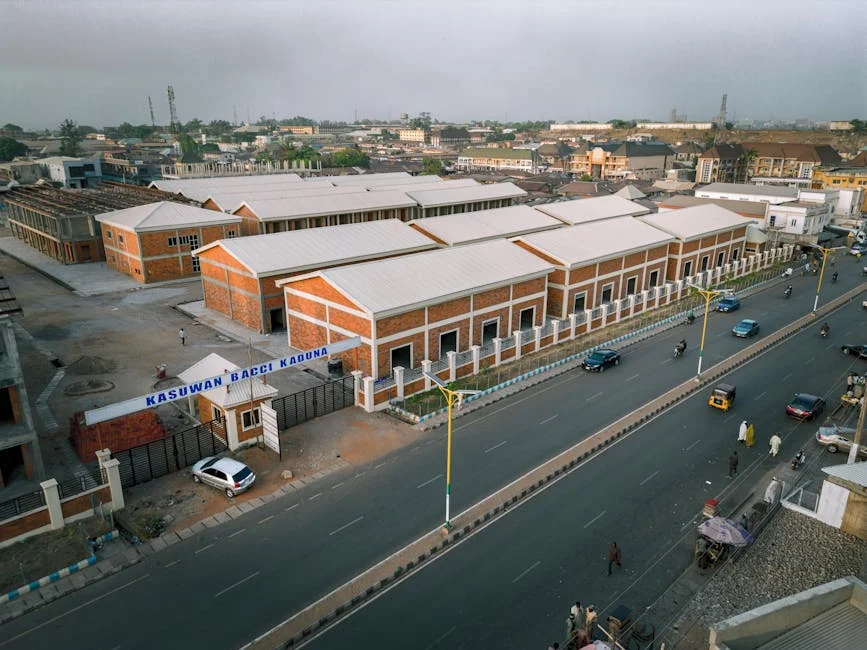
These new facilities are expected to provide essential healthcare services, including maternal and child healthcare, immunisation, and emergency services. The Ministry of Health confirmed that this initiative aligns with Nigeria's commitment to achieving Universal Health Coverage by 2030, a goal that remains crucial in light of the ongoing challenges faced by the nation's healthcare system.
Investment and Infrastructure Challenges
Despite the positive reception of the new health facilities, significant challenges remain, particularly regarding funding and infrastructure. Nigeria's healthcare sector has struggled with inadequate investment, with less than 5% of the national budget allocated to health in recent years. This hampers the country's ability to improve healthcare delivery consistently.
The recent commissioning is part of a broader strategy to enhance public health outcomes, which is crucial as Nigeria grapples with issues such as high maternal mortality rates and the proliferation of preventable diseases. Tinubu's government must navigate these obstacles to ensure the sustainability of health initiatives.
Community Reactions and Expectations
Community leaders expressed optimism about the impact of the new health centres. In a statement, Dr. Aisha Musa, a local health advocate, remarked, "This is a step in the right direction. We hope that these facilities will be fully equipped and staffed to provide the care we so desperately need." The anticipation among citizens reflects a collective hope for improved health outcomes.
The dual focus on urban and rural health care is crucial, as urban centres often face overcrowding and under-resourced facilities, while rural areas are frequently neglected. This initiative could serve as a model for other African nations facing similar challenges.
Global Health Goals and Local Impact
The inauguration of these health facilities fits within the United Nations' Sustainable Development Goals (SDGs), specifically targeting good health and well-being. With Nigeria being the most populous country in Africa, its strides towards improving healthcare resonate across the continent.
Furthermore, enhancing public health infrastructure in Nigeria may create opportunities for partnerships with international health organisations. Such collaborations could provide technical assistance and funding, facilitating more comprehensive healthcare solutions in a country where over 70% of health services are funded out-of-pocket by citizens.
Next Steps for Health Reform
Looking ahead, Nigeria's government must ensure that these new health facilities are adequately supported. This includes training healthcare professionals, ensuring a steady supply of medical equipment, and maintaining sufficient operational funding. The ability to achieve these goals will determine the long-term success of Tinubu's health initiative.
Upcoming budget discussions will be critical in determining the future of health funding in Nigeria. Stakeholders are urged to advocate for increased investment in healthcare to support these new facilities and improve overall health outcomes.