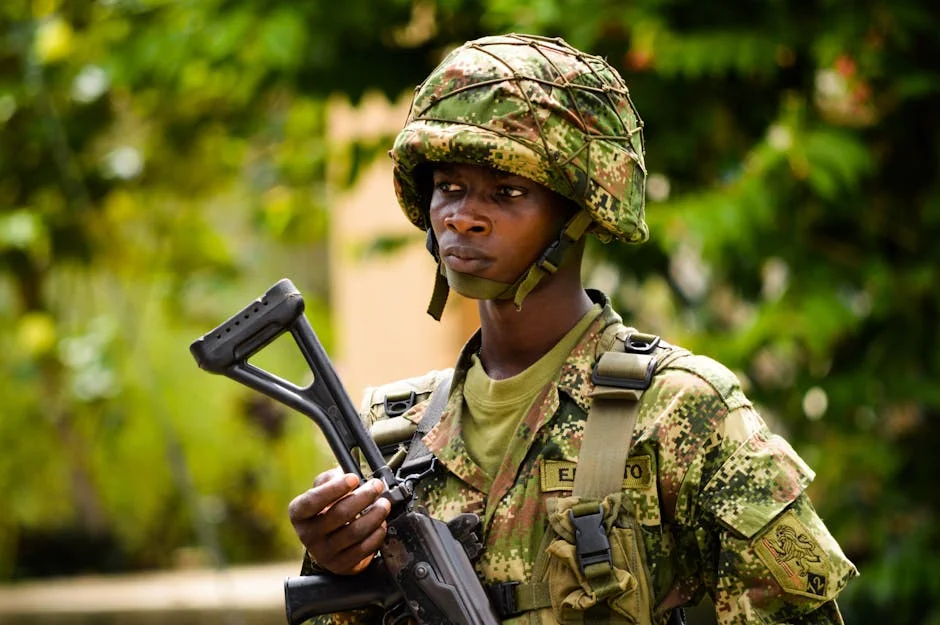
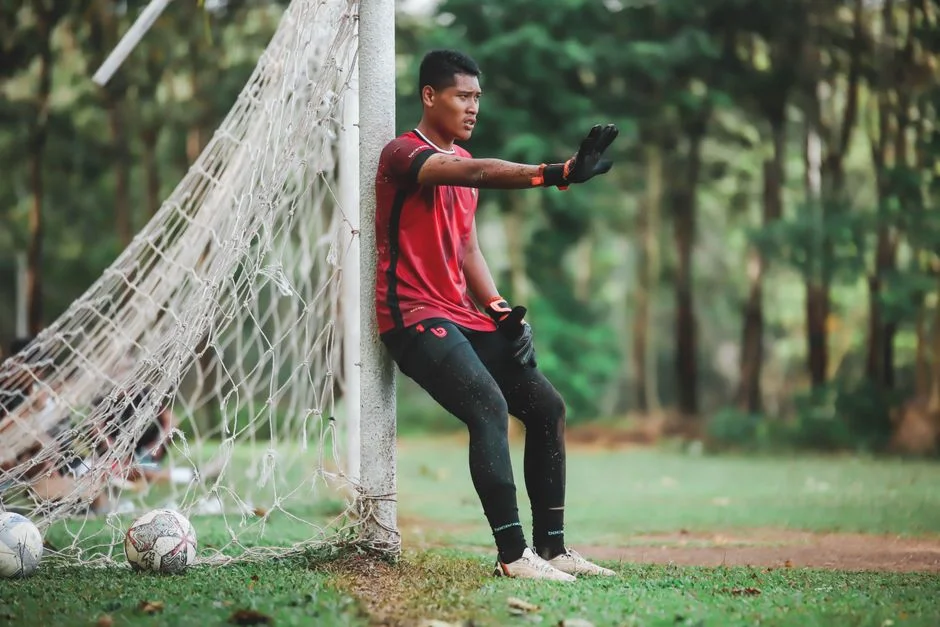
The 2026 FIFA World Cup will witness an unprecedented representation from Africa, featuring ten teams, all of which have embraced local coaches. This bold move signals a new era for the continent as it seeks to refine its football tactics and improve overall performance on the global stage.
Local Coaches Lead the Charge
This World Cup marks a significant shift, with African nations relying on home-grown talent to steer their football teams. Coaches like Pitso Mosimane of South Africa and Aliou Cissé of Senegal have both demonstrated tactical prowess and deep understanding of their players, crucial for the success of their respective teams.
By employing local coaches, these nations aim to foster a sense of identity and continuity within their teams, which can be vital in high-stakes tournaments. The Confederation of African Football (CAF) has lauded this initiative as a strategic move towards developing home-grown football talent across the continent.
Continental Challenges and Opportunities
Despite the advantages, African teams face numerous challenges in their pursuit of World Cup success. Infrastructure is often lacking, with many countries struggling to maintain adequate training facilities and stadiums. According to CAF, only 35% of African nations meet international standards for sports infrastructure.
On the other hand, this scenario creates opportunities for investment in sports and community development. Engaging local coaches not only promotes talent but also inspires the youth across the continent to pursue careers in football, thereby building a stronger foundation for future generations.
Breaking Down Tactical Depth
The tactical depth of these ten teams is expected to shine through their performances. In prior World Cups, African teams have often been seen as underdogs, but the combination of local knowledge and modern training techniques could see a turnaround. Historical performances indicate that African nations have been capable of shocking their more established counterparts.
Innovative Approaches to Strategy
Local coaches are now experimenting with innovative strategies tailored to their players' strengths. This includes a focus on defensive organisation and quick counter-attacks, which have become a staple of several African teams’ playbooks. Teams like Nigeria and Ghana are preparing to leverage these tactics to make significant impacts in their matches.
Fan Engagement and National Pride
The involvement of local coaches has also reinvigorated fan engagement. Supporters are rallying behind their teams, driven by a sense of national pride and belief in local leadership. Social media platforms have been buzzing with excitement as fans share their hopes for success in the tournament.
Local coaches often resonate more deeply with fans, fostering a sense of connection that foreign coaches may not achieve. This connection can boost player morale and enhance performance, creating a feedback loop of support that is essential in competitive tournaments.
Looking Ahead: The Road to the World Cup
As the World Cup draws nearer, teams are ramping up their preparations. The excitement surrounding local coaches is palpable, and the upcoming months will be crucial for refining strategies and building team cohesion. Observers will be watching closely to see if this new approach translates into success on the world stage.
The key to success lies not only in tactical refinement but also in maintaining the momentum of local engagement and infrastructure development. As the tournament approaches, the hope is that these ten teams will not only challenge for titles but also inspire a new generation of African footballers.
Frequently Asked Questions
What is the latest news about ten african teams tap local coaches to redefine world cup tactics?
The 2026 FIFA World Cup will witness an unprecedented representation from Africa, featuring ten teams, all of which have embraced local coaches.
Why does this matter for technology-innovation?
Coaches like Pitso Mosimane of South Africa and Aliou Cissé of Senegal have both demonstrated tactical prowess and deep understanding of their players, crucial for the success of their respective teams.By employing local coaches, these nations aim to
What are the key facts about ten african teams tap local coaches to redefine world cup tactics?
Infrastructure is often lacking, with many countries struggling to maintain adequate training facilities and stadiums.