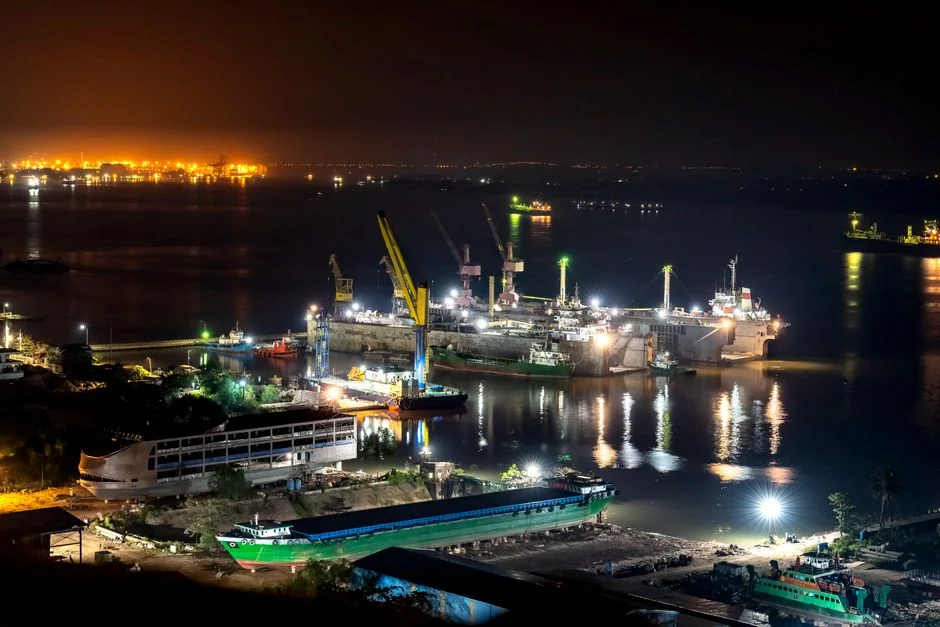
Nigerians are mobilising efforts to revitalise their oil refining sector, aiming to reduce dependency on imported petroleum products and boost the economy. This initiative comes as the government of Nigeria plans to attract European investors to assist in modernising existing refineries in the Niger Delta region, and it could reshape the country's economic landscape.
Nigeria's Oil Dependency Crisis
Currently, Nigeria imports over 90% of its petrol, which burdens the economy and drives up costs for consumers. In 2021, the country spent approximately $4.2 billion on fuel imports, and this figure has been rapidly increasing due to the high global oil prices. The Nigerian National Petroleum Corporation (NNPC) announced plans to refine more than 1.5 million barrels per day by 2025, a move that could potentially save the economy billions.

The enclave of the Niger Delta has long been the epicentre of Nigeria’s oil production, yet it suffers from neglect and environmental degradation. Previous efforts to enhance refining capacities have faced setbacks, but the new government under President Bola Ahmed Tinubu is taking a more aggressive stance to revive this crucial sector.
European Interest in Nigerian Refining Sector
European energy firms are increasingly keen on investing in Nigeria's refining infrastructure. Recent discussions between Nigerian authorities and representatives from major European oil companies indicate a growing interest in joint ventures that would bolster refining capabilities.
For example, TotalEnergies, a leading French energy company, has expressed interest in collaborating on the rehabilitation of oil facilities in the Delta. This collaboration could unlock substantial economic opportunities, not just for Nigeria but also for European companies seeking stable energy sources.
Challenges Ahead for Nigeria
Despite the promise of increased investment, significant challenges remain. Nigeria’s regulatory environment is often unpredictable, and corruption within the oil sector has historically posed barriers to foreign investment. Local groups in the Niger Delta have also raised concerns over environmental protections and community rights in the face of new developments.
The government's recent push to amend laws and streamline processes is expected to mitigate some of these issues, but many stakeholders remain cautious. Activists from the Niger Delta region emphasise the need for transparency and environmental safeguarding to protect local communities.
Nigerians Call for Sustainable Development
Nigerians are demanding that any investments should not only focus on profitability but also cater to environmental sustainability and social equities. The recent protests in regions affected by oil drilling highlight the community's desire for benefits that come from the natural resources that are extracted from their lands.
The commitment from both European investors and the Nigerian government to ensure sustainable practices in the oil refining process could set a precedent for similar initiatives elsewhere on the continent.
The Road Ahead
With the ongoing efforts to attract European investment, the future of Nigeria’s refined oil industry hinges on successful negotiations and the implementation of reforms. The imminent signing of contracts with European partners could take place within the next six months, setting the stage for a new chapter in Nigeria's economic narrative.
The long-term success of these initiatives will depend on Nigeria's ability to foster a reliable, transparent, and environmentally conscious oil industry. As developments unfold, all eyes will be on Nigeria to see if it can navigate the complex challenges and seize the opportunities that arise in this critical sector.
See Also
- Adelabu Resigns as Power Minister for Oyo Governorship Bid
- Helen Zille Warns Against Race-Based Politics in South Africa