International airlines are facing pressure to enhance safety measures following an Ebola outbreak in the Democratic Republic of Congo. The outbreak, confirmed in September 2023, has raised alarms as the World Health Organization (WHO) reported five cases, including three fatalities. The call for stringent protocols comes as airlines aim to protect their passengers and crew while maintaining operational stability.
Global Health Agencies Respond
The WHO and Africa Centres for Disease Control and Prevention (Africa CDC) have emphasised the need for airlines to implement strict health protocols. This includes pre-flight screening and health declarations from passengers. Dr. Mary Stephen, a public health expert with the Africa CDC, stated, "It is vital that airlines prioritise safety to avoid the spread of Ebola, which can be transmitted through bodily fluids and poses a significant risk during air travel.”
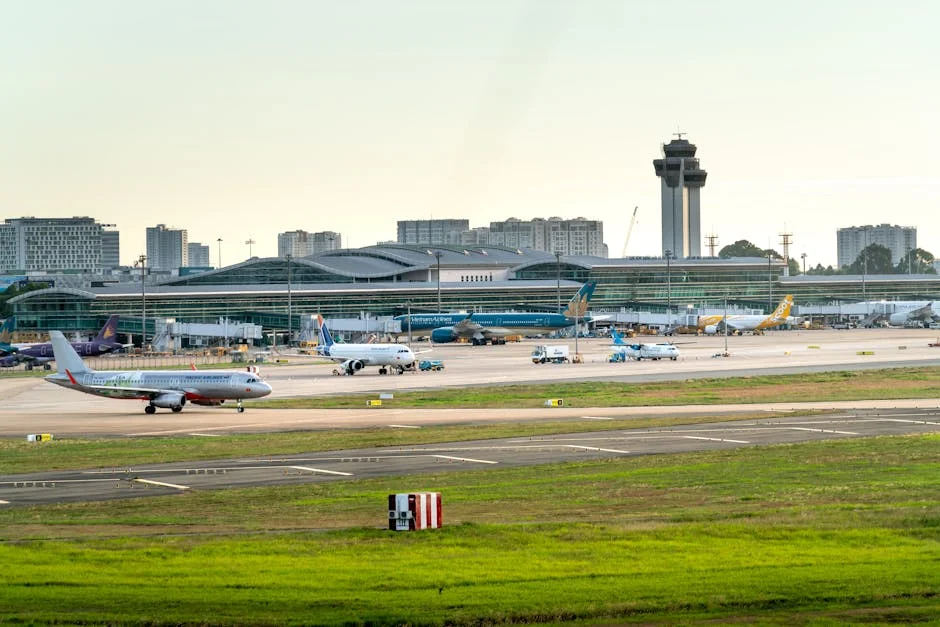
As a response to the outbreak, airlines are being urged to ensure that their staff are adequately trained in recognising symptoms of Ebola. Health screenings at airports can be a frontline defence against disease transmission, especially in regions where the outbreak is prevalent.
Economic Implications for Airlines
The ripple effects of the Ebola outbreak could be detrimental to the African airline industry. Already grappling with the aftermath of the COVID-19 pandemic, airlines may face decreased passenger confidence, resulting in reduced bookings. The African airline sector, which reports annual revenues of approximately $4.2 billion, could suffer substantial losses if the situation escalates.
Airlines like Ethiopian Airlines and Kenya Airways have begun revising their safety protocols to reassure travellers. However, they must balance the implementation of rigorous health measures with the financial sustainability of their operations. Reducing capacity or increasing ticket prices is a delicate issue, as both could deter passengers further.
Impact on African Development Goals
This outbreak poses a significant challenge to African development goals, particularly in promoting economic growth and ensuring healthy lives. Health crises can derail progress in various sectors, including education and infrastructure, due to increased public health expenditure and reduced productivity.
Addressing health emergencies is essential for achieving the United Nations' Sustainable Development Goals (SDGs), particularly Goal 3: Ensure healthy lives and promote well-being for all at all ages. Ensuring a coordinated response to such outbreaks can demonstrate African nations' resilience and capacity to manage health crises, fostering greater stability and growth.
Potential Opportunities in Crisis
While the Ebola outbreak presents significant challenges, it also offers opportunities for strengthening health systems across the continent. Investment in public health infrastructure and improved emergency response capabilities could significantly enhance Africa's ability to tackle current and future health threats.
Collaboration between governments, private sectors, and international organisations can lead to advancements in health technology and improved disease surveillance systems. This approach may not only curb the current outbreak but also build a more robust framework for tackling potential health crises in the future.
What Comes Next?
The coming weeks will be critical for monitoring the situation in the Democratic Republic of Congo and the wider implications for the continent. Airlines, governments, and health organisations must act swiftly to contain the outbreak and protect public health.
As the situation evolves, attention will be focused on how airlines implement the recommended safety measures and whether passenger confidence can be rebuilt. Observers will also watch for any changes in international travel regulations as countries respond to the outbreak. The effectiveness of these measures may ultimately determine the impact on African economies and their recovery trajectories.
What is the latest news about international airlines urged to enforce safety measures amid ebola outbreak?
Why does this matter for health-medicine?
What are the key facts about international airlines urged to enforce safety measures amid ebola outbreak?