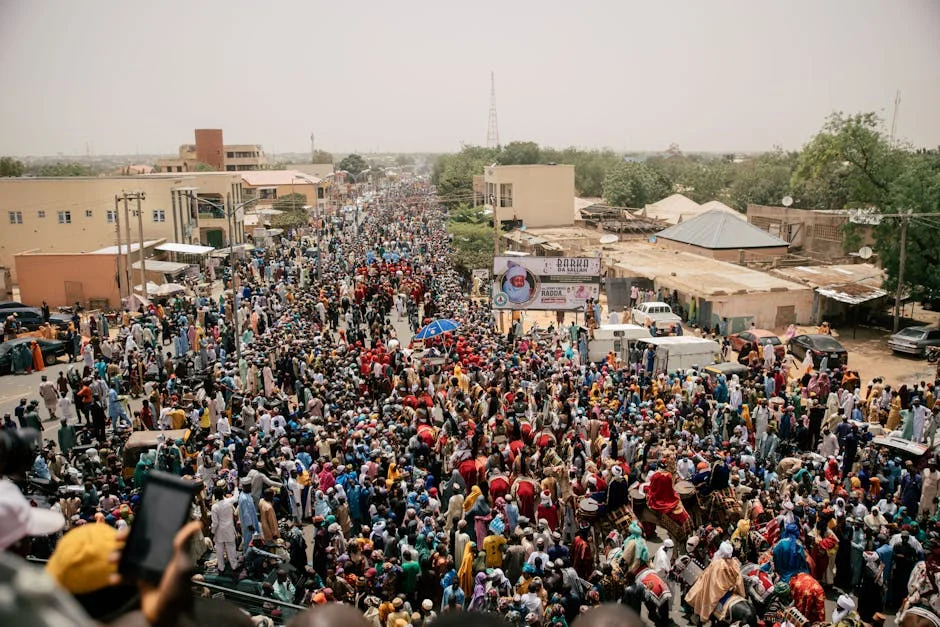
Ghana marked African Union (AU) Day with a vibrant flag-raising ceremony at the Independence Arch in Accra on Saturday. This annual celebration, observed on May 25, aims to highlight the unity and aspirations of African nations in their development efforts. The event drew participation from government officials, including Ghana's Minister of Foreign Affairs and Regional Integration, Shirley Ayorkor Botchwey.
Symbolism of the Ceremony
The flag-raising ceremony symbolises the commitment of African countries to work together towards shared goals. Ghana, as one of the founding members of the AU, has played a pivotal role in advocating for continental cooperation and development. With the rising challenges of poverty and health crises across the continent, ceremonies like these reinforce a collective identity and purpose.
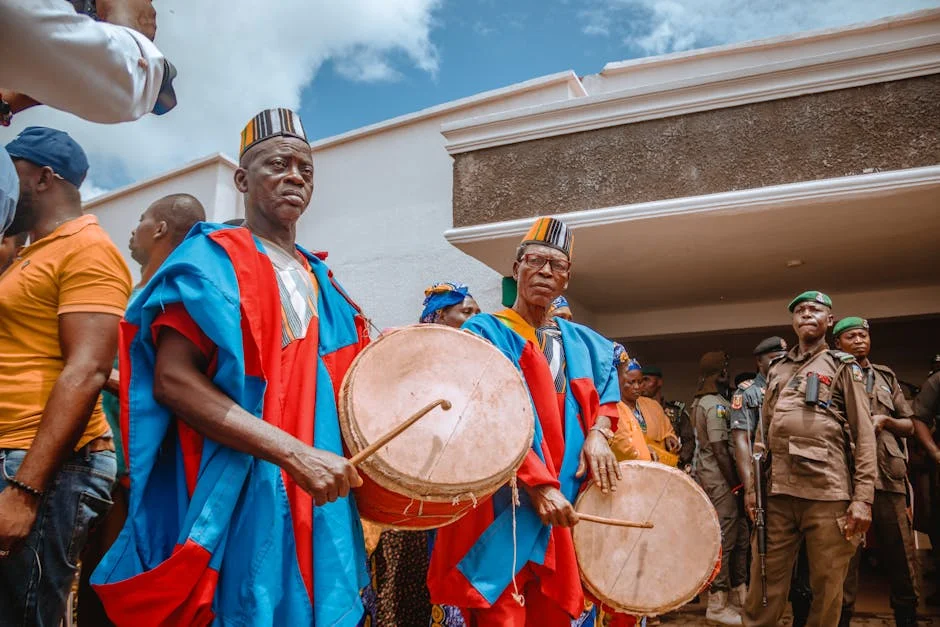
During her address, Minister Botchwey stated, “Unity is crucial to overcoming the challenges we face as a continent.” She emphasised how the African Union serves as a platform for member states to cooperate on various development fronts, including health, education, and governance.
Continental Challenges and Opportunities
African nations face numerous challenges, such as inadequate infrastructure, health disparities, and economic instability. The AU's Agenda 2063 aims to address these issues by promoting sustainable development through investment in education and health care. This vision aligns with Ghana’s own national development plan, which seeks to improve the quality of life for its citizens.
In Accra, the ceremony brought together various stakeholders, including civil society groups and youth organisations, reflecting the inclusive approach necessary for driving development. By fostering engagement between citizens and leaders, Ghana aims to build a resilient society that can tackle endemic issues.
Connecting Ghana and Nigeria
The flag-raising ceremony also has implications for Ghana's relationship with Nigeria, Africa's largest economy. Improved collaboration between these two nations could yield benefits in trade, cultural exchange, and joint initiatives. Ghana's recent efforts to strengthen bonds with its neighbour are crucial as both countries seek to enhance regional economic integration.
According to the Ghana Statistical Service, trade between Ghana and Nigeria has surged by 35% over the past year, signalling a growing economic partnership. This collaboration can bolster efforts to meet African development goals by increasing investments in infrastructure and technology.
The Role of Youth in Development
The involvement of youth in the AU Day celebration highlights the importance of engaging young people in Africa’s development narrative. With over 60% of Africa’s population under the age of 25, their participation in governance and policy-making is essential for shaping a prosperous future.
Botchwey remarked, “We must invest in our youth, who are the leaders of tomorrow.” By promoting education and entrepreneurial opportunities, African countries can harness the potential of their young population to drive sustainable growth.
What Comes Next?
As Ghana embraces its role within the AU, the focus will remain on achieving meaningful progress towards the Agenda 2063 goals. Upcoming summits and partnerships will be pivotal in addressing the pressing challenges faced by the continent. The government plans to initiate a series of forums aimed at fostering dialogue on critical issues, including health care and economic resilience.
The success of these programmes depends on continued engagement from all sectors of society. With the next AU summit scheduled for July in Addis Ababa, stakeholders and citizens alike must watch for how Ghana and its neighbours can further promote unity and development in the months ahead.
See Also
- South Africa Demands Local Production of HIV Drug Lenacapavir: A Game Changer?
- Bharti Airtel Launches 5G in Nigeria — and It Could Change the Game