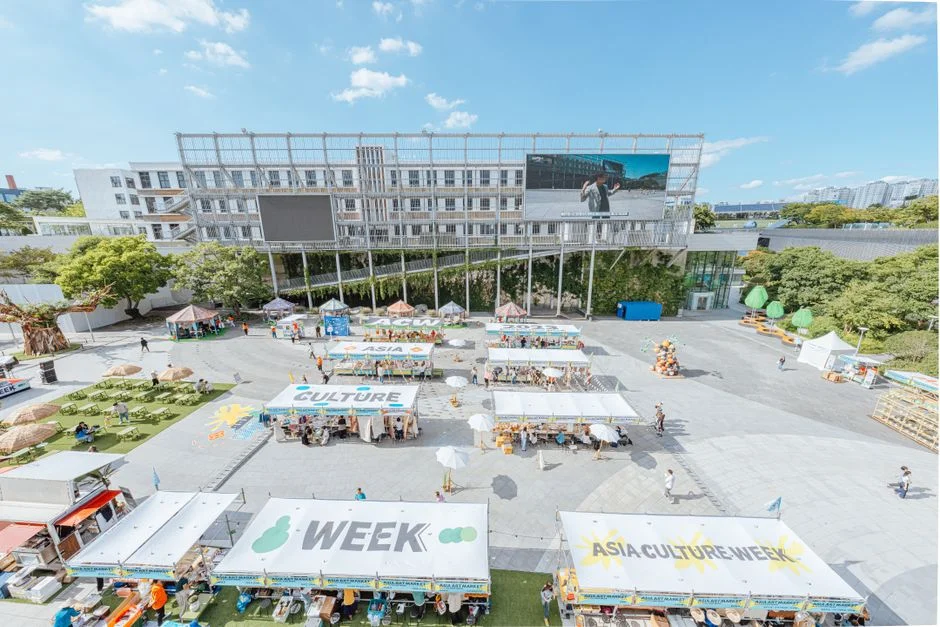
African leaders gathered at the World Urban Forum in Baku, Azerbaijan, to discuss the urgent threats posed by climate change and rapid urbanisation. This event, which took place on 26 February 2024, highlighted critical challenges that African nations like Nigeria are grappling with regarding urban development and environmental sustainability.
Key Concerns Raised by African Delegates
During the forum, Nigerian Minister of Environment Muhammad Mahmood stated that climate change could lead to an increase in urban poverty, straining already limited resources. *"We are witnessing a rapid influx of people into cities, which is exacerbated by the impacts of climate change,"* he emphasised. According to the United Nations, urban populations in Africa are expected to double by 2050, creating significant challenges in housing, infrastructure, and public services.
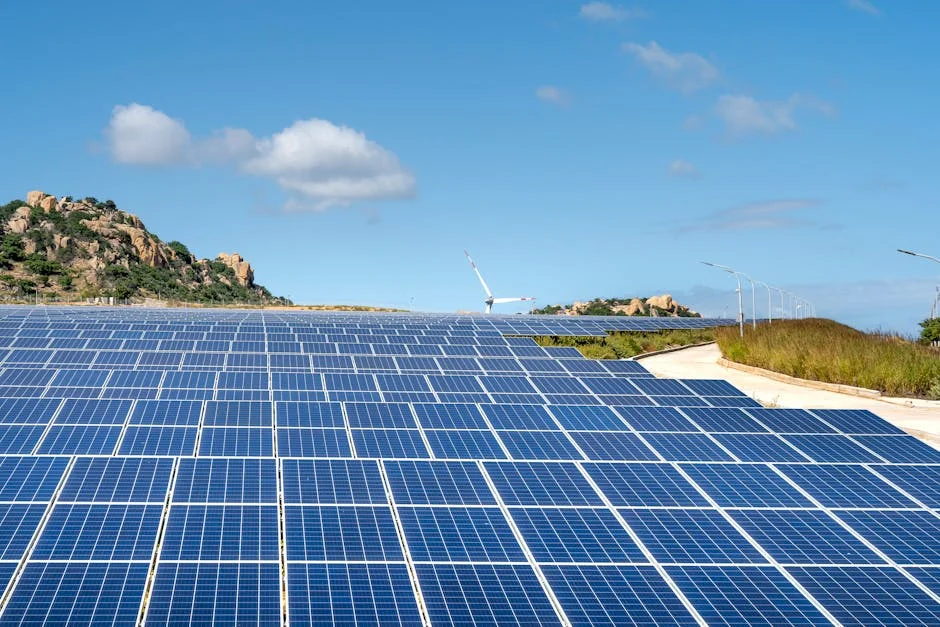
The meeting in Baku was attended by various leaders from across the continent, all of whom expressed concern over the need for integrated policies addressing both climate change and urbanisation. Ghana's President Nana Akufo-Addo stated that *"cities must become resilient to climate impacts, or they risk becoming uninhabitable for future generations."*
African Development Goals Under Threat
The United Nations' Sustainable Development Goals (SDGs), particularly Goal 11, which aims to make cities inclusive, safe, resilient, and sustainable, are at risk. Rapid urbanisation in countries like Nigeria, where urban areas are expected to grow by about 2.4% annually, can exacerbate existing challenges, such as inadequate infrastructure and inefficient waste management systems.
Climate change adds another layer of complexity; rising sea levels and increased flooding threaten coastal cities like Lagos. The Nigerian government has begun exploring strategies to mitigate these risks through improved urban planning processes and climate-adaptive infrastructure.
Opportunities for Innovative Solutions
While challenges abound, the World Urban Forum also served as a platform for sharing innovative solutions. Nigerian delegates explored various sustainable practices implemented in other countries. For instance, smart city initiatives in Rwanda are demonstrating how technology can enhance urban living and improve resilience against climate change.
Collaborative projects, such as the recent partnership between Nigeria and the African Development Bank to improve urban infrastructure, highlight the potential for developing new, sustainable models for growth. Such partnerships can provide the necessary funding and resources to tackle the mounting urbanisation challenges.
Global Collaboration for Local Solutions
The discussions in Baku underscored the critical importance of collaboration between African nations and international partners. Emphasising the need for shared knowledge and resources, President Akufo-Addo called for increased investment in climate-resilient infrastructure. *"We need to work together to turn our challenges into opportunities,"* he stated, urging global stakeholders to support African urbanisation efforts.
Sr. Marie Kaberuka, an expert in urban studies, noted that global cooperation is essential for establishing frameworks that can effectively address both climate and urbanisation issues. *"Investing in knowledge sharing between cities worldwide can lead to breakthroughs in sustainability practices,"* she indicated.
African Cities Facing Immediate Threats
The consequences of unchecked climate change and urbanisation are becoming more evident. A recent study projected that cities in Nigeria could experience flooding that affects over 2 million residents annually if current trends continue. This alarming figure highlights the need for urgent interventions.
To mitigate these risks, Nigerian authorities are being urged to adopt comprehensive urban planning initiatives. The government has begun implementing policies aimed at enhancing public transport systems and improving green spaces to ensure that cities remain livable amid the growing population.
Looking Ahead: What’s Next for Nigeria?
As the discussions from the World Urban Forum continue to resonate, African nations must act swiftly to align their urban development goals with climate resilience strategies. The United Nations is expected to announce new initiatives during the upcoming African Climate Summit in July 2024, which will aim to catalyse further partnerships and funding opportunities.
Nigeria, at this crossroads, stands to benefit significantly from innovative solutions and international cooperation. As delegates return home from Baku, the pressing question remains: how will African leaders implement these discussions into actionable policies that can safeguard their cities for generations to come?
Such partnerships can provide the necessary funding and resources to tackle the mounting urbanisation challenges.Global Collaboration for Local SolutionsThe discussions in Baku underscored the critical importance of collaboration between African nations and international partners. Marie Kaberuka, an expert in urban studies, noted that global cooperation is essential for establishing frameworks that can effectively address both climate and urbanisation issues.