South African President Cyril Ramaphosa and Botswana President Duma Boko have formally committed to accelerating economic integration between the two Southern African nations. This strategic alignment aims to stabilize the region’s largest economies while addressing shared infrastructure and energy challenges.
The agreement signals a shift from traditional diplomatic ties to a more functional, trade-focused partnership. For African development goals, this bilateral push offers a blueprint for reducing continental fragmentation.
Strategic Alignment in Gaborone

The leaders met in Gaborone to finalize a roadmap for deeper cooperation. They emphasized the need to reduce non-tariff barriers that currently hinder the free flow of goods. This move directly impacts the Southern African Development Community’s broader integration efforts.
Both nations recognize that their economic fortunes are increasingly intertwined. South Africa provides a vast consumer market, while Botswana offers strategic mineral wealth and political stability. This complementarity is crucial for regional resilience.
Observers note that this partnership could serve as a model for other African nations seeking to boost intra-continental trade. The focus is on practical outcomes rather than mere diplomatic rhetoric.
Infrastructure and Energy Interdependence
Power Grid Integration
A key component of the agreement involves synchronizing the two countries’ power grids. South Africa’s electricity crisis has spilled over into Botswana, affecting industrial output. By linking their infrastructure, both nations hope to create a more reliable energy supply chain.
Botswana’s solar and wind energy projects could provide much-needed relief to South Africa’s aging coal-dominated system. This energy swap is vital for maintaining industrial competitiveness in the region.
The integration also involves upgrading cross-border transmission lines. These improvements will reduce technical losses and lower costs for consumers in both markets. This infrastructure investment aligns with the African Union’s Agenda 2063 goals.
Transport Corridors
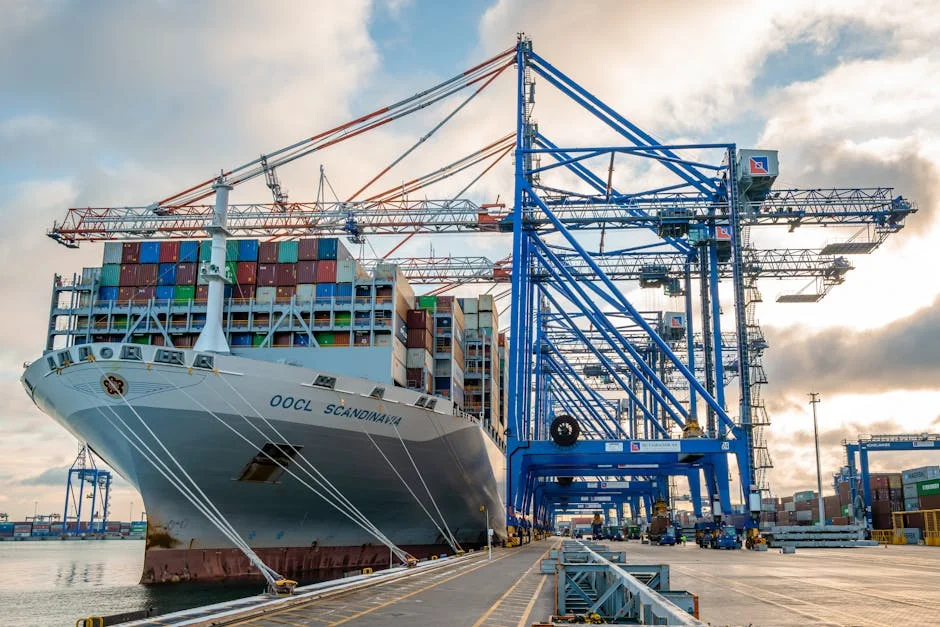
Transport connectivity remains a critical bottleneck for trade in Southern Africa. The leaders agreed to fast-track upgrades to the N1 highway and the Cape-to-Cairo corridor. These improvements will reduce transit times for goods moving between Johannesburg and Gaborone.
Better roads mean lower logistics costs, which directly impacts the price of imported goods. This is particularly important for Nigeria and other West African nations trading with the South.
The focus on infrastructure reflects a broader continental trend. African leaders are increasingly prioritizing hard assets that drive immediate economic returns. This approach contrasts with earlier efforts that focused heavily on institutional frameworks.
Economic Implications for the Region
The deepening ties between South Africa and Botswana have significant implications for the wider African economy. Both countries are key players in the African Continental Free Trade Area. Their cooperation can help unlock the potential of the ACFTA.
South Africa’s economy is currently facing headwinds, including high unemployment and currency volatility. Botswana’s stable macroeconomic environment offers a counterbalance. This stability is attractive to foreign investors looking for safe havens in Africa.
The partnership also strengthens the regional bloc’s bargaining power on the global stage. A united front allows Southern Africa to negotiate better trade deals with Europe and Asia. This leverage is essential for securing favorable terms for African exports.
For Nigeria, this development highlights the importance of regional sub-groups within the broader African union. The South African–Botswana model suggests that smaller, tightly knit economic zones can drive faster growth. This could influence how West African nations structure their own trade agreements.
Political Stability and Governance
Political stability is a cornerstone of the new cooperation framework. Both Ramaphosa and Boko have emphasized the need for predictable policy environments. This predictability is crucial for attracting long-term foreign direct investment.
Botswana is often cited as one of Africa’s most stable democracies. South Africa is seeking to replicate some of this stability through improved governance reforms. The exchange of best practices is a key part of their bilateral agenda.
The leaders also discussed joint efforts to combat corruption and enhance transparency. These measures are designed to restore investor confidence and improve public service delivery. Stronger governance is essential for sustaining economic growth in the region.
This focus on governance aligns with broader African development priorities. The continent is increasingly recognizing that political stability is a prerequisite for economic success. The South African–Botswana partnership exemplifies this trend.
Challenges to Implementation
Despite the optimism, several challenges remain. Bureaucratic red tape continues to slow down cross-border trade. Both countries need to streamline customs procedures to realize the full potential of the agreement.
Infrastructure deficits also pose a significant hurdle. While plans are in place, the actual construction of new roads and power lines will take time. Delays could frustrate businesses and investors who are eager to see results.
Political changes in either country could also impact the partnership. Elections in South Africa and Botswana will test the durability of the current agreement. Sustained political will is essential for long-term success.
Furthermore, external economic shocks, such as fluctuations in global commodity prices, could strain the relationship. Both nations must remain flexible and adaptable to navigate these uncertainties. This resilience is critical for maintaining the momentum of the partnership.
What to Watch Next
The next critical step is the signing of specific bilateral agreements on trade and energy. These documents will outline the detailed mechanisms for cooperation. Investors and businesses will be closely monitoring these developments for actionable insights.
Readers should also watch for announcements on joint infrastructure projects. The launch of the first major cross-border initiative will signal the seriousness of the commitment. This could set a precedent for other African nations seeking to deepen their economic ties.
The upcoming African Union Summit will provide a platform for Ramaphosa and Boko to showcase their partnership. Their presentation could influence the broader continental agenda on integration. This is a key moment for Southern Africa to assert its leadership role.
Finally, the impact on local businesses will be a crucial indicator of success. If small and medium-sized enterprises see tangible benefits, the partnership will gain broader public support. This grassroots validation is essential for the long-term sustainability of the agreement.
See Also
- Over 1,000 Kenyans Recruitment for Ukraine War Raises Alarm in Nairobi
- Athletic Bilbao Names Landeta to New Board Amid Re-election Bid
What is the latest news about ramaphosa forces botswana to fasttrack sabots economic union?
Why does this matter for politics-governance?
What are the key facts about ramaphosa forces botswana to fasttrack sabots economic union?