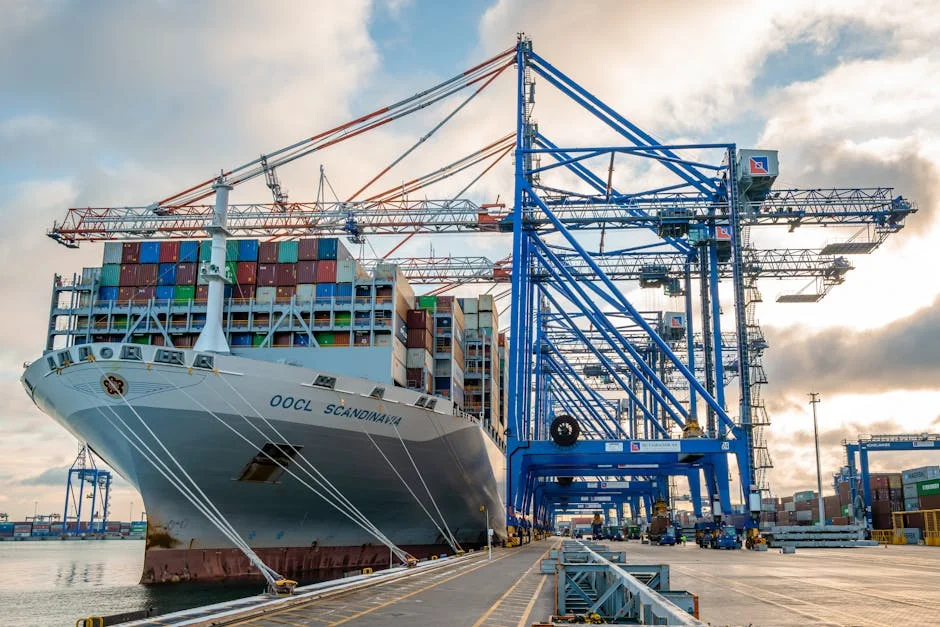
South Africa’s retail sector is experiencing a severe shock that extends far beyond local shelves, revealing deep structural weaknesses in the broader African supply chain. This crisis highlights the urgent need for African nations, including Nigeria, to rethink their import dependencies and strengthen continental trade networks. The situation serves as a stark warning for policymakers across the continent regarding the fragility of current economic models.
South Africa’s Retail Sector Faces Unprecedented Strain
Major supermarkets across Johannesburg and Cape Town are reporting empty shelves of essential goods, from cooking oil to basic dairy products. This shortage is not merely a seasonal fluctuation but a symptom of deeper logistical and economic pressures. The South African Reserve Bank has noted that inflation in the food sector has risen sharply, driven by a combination of currency volatility and supply chain disruptions.

The impact is visible in urban centers where commuters spend hours queuing for basic staples. This scene, once rare in Africa’s most industrialized nation, signals a shift in the consumer landscape. Retailers are struggling to balance pricing strategies with the purchasing power of an increasingly price-sensitive middle class.
The crisis underscores how quickly a single nation’s economic health can deteriorate when external pressures mount. For neighboring countries, this serves as a cautionary tale about the interconnectedness of African economies. The stability of one major market often influences the economic rhythms of its neighbors.
Nigeria’s Import Dependency Amplifies Regional Vulnerabilities
Nigeria’s economy is heavily reliant on imports from South Africa, particularly in the sectors of pharmaceuticals, processed foods, and automotive parts. This dependency means that any disruption in South African production or logistics has an immediate ripple effect on Nigerian consumers and businesses. The Nigerian Customs Service has already reported delays in clearing goods that originated from South African ports.
The cost of living in Lagos has begun to reflect these upstream shocks. Prices for imported goods have surged, affecting the purchasing power of the average Nigerian household. This trend threatens to erode the gains made in recent years through various monetary policy interventions aimed at stabilizing the Naira.
Impact on Nigerian Consumer Markets
Local retailers in Nigeria are forced to adjust their inventory strategies in response to the uncertainty in South Africa. Many are opting to stockpile goods, which leads to temporary shortages and price hikes. This behavior creates a cycle of inflation that is difficult for the Central Bank of Nigeria to control through interest rate adjustments alone.
The situation also affects small and medium-sized enterprises that rely on South African raw materials. These businesses face higher input costs, which either squeeze their profit margins or force them to pass the costs on to consumers. This dynamic stifles economic growth and reduces the competitiveness of Nigerian manufactured goods.
Continental Trade Barriers Remain a Critical Obstacle
The African Continental Free Trade Area (AfCFTA) was designed to mitigate such vulnerabilities by creating a single market for goods and services. However, the current crisis exposes the gap between the treaty’s ambitions and the reality on the ground. Non-tariff barriers, such as differing quality standards and inefficient customs procedures, continue to hinder the smooth flow of goods.
For example, a truck carrying goods from South Africa to Nigeria can take weeks to clear borders due to bureaucratic delays. These delays increase the cost of transport and reduce the shelf life of perishable goods. The African Development Bank has repeatedly called for streamlined customs unions to make intra-African trade more efficient.
The lack of integrated logistics infrastructure further exacerbates the problem. Rail networks and road systems that connect key economic hubs are often underutilized or in need of repair. This infrastructural deficit means that African countries often rely on expensive and slow road transport rather than more efficient rail or sea routes.
Infrastructure Gaps Undermine Economic Resilience
Investment in infrastructure is not just about building roads and railways; it is about creating the backbone of economic resilience. The current retail crisis in South Africa shows how quickly supply chains can break when infrastructure fails to keep pace with demand. Nigeria faces similar challenges, with its port systems and inland roads often becoming bottlenecks for imported goods.
The World Bank has highlighted that improving infrastructure in Sub-Saharan Africa could increase annual growth rates by up to two percent. This statistic underscores the potential return on investment for infrastructure projects. However, funding these projects remains a challenge for governments that are often weighed down by debt and competing fiscal priorities.
Public-private partnerships offer a potential solution to the funding gap. By leveraging private sector efficiency and capital, governments can accelerate the development of critical infrastructure. This approach has shown promise in other regions, but its adoption in Africa has been uneven and often slow.
The Role of Governance in Stabilizing Markets
Effective governance is crucial for managing economic shocks and ensuring that markets remain stable. In South Africa, the response to the retail crisis has been a mix of monetary policy adjustments and targeted subsidies. However, critics argue that more structural reforms are needed to address the root causes of the volatility.
Nigeria must learn from these developments and strengthen its own governance frameworks. This includes improving transparency in public spending and enhancing the efficiency of regulatory bodies. Stronger institutions can help to build investor confidence and create a more predictable business environment.
The African Union plays a key role in coordinating policy responses across the continent. By fostering greater cooperation among member states, the AU can help to create a more unified approach to economic challenges. This collaboration is essential for leveraging the collective strength of African nations in the global marketplace.
Opportunities for Regional Integration and Growth
Despite the challenges, the current crisis presents an opportunity for African nations to accelerate their integration efforts. The need for more resilient supply chains is driving innovation in logistics and trade finance. Companies are exploring new routes and partnerships to diversify their sources of supply and reduce their reliance on any single market.
The rise of digital platforms is also transforming the retail landscape. E-commerce companies are leveraging technology to connect buyers and sellers more efficiently, reducing the friction in traditional supply chains. This digital transformation has the potential to unlock new markets and create jobs across the continent.
Furthermore, the crisis has highlighted the importance of local production. African nations are increasingly looking to boost their own manufacturing capabilities to reduce their dependence on imports. This shift towards industrialization is a key component of the Agenda 2063 development plan.
Looking Ahead: What Policymakers Must Prioritize
The coming months will be critical in determining how African economies adapt to these new realities. Policymakers must prioritize investments in infrastructure, trade facilitation, and institutional reform. These steps are essential for building a more resilient and integrated African market.
Investors and businesses should also prepare for a period of volatility. Diversifying supply chains and building stronger relationships with local partners will be key strategies for navigating the uncertainty. The African Development Bank is expected to release a new report on intra-African trade in the next quarter, which will provide further insights into the evolving landscape.
Readers should watch for announcements from the African Union regarding new trade agreements and infrastructure projects. These developments will signal the continent’s commitment to overcoming the challenges that currently hinder its economic potential. The path forward requires decisive action and a shared vision for a more prosperous Africa.
See Also
- Aboriginal Leader Rhoda Roberts Dies at 66, Leaves Lasting Legacy
- DRC Coach Confirms Closed-Door Friendly as Ebola Concerns Shape Football Calendar
What is the latest news about south africas retail crisis exposes africas supply chain fragility?
Why does this matter for health-medicine?
What are the key facts about south africas retail crisis exposes africas supply chain fragility?