Scientists have confirmed the arrival of a functional HIV prevention jab, marking a pivotal moment for global health. This development offers a tangible solution to a pandemic that has disproportionately affected the African continent. However, the scientific victory is only the beginning of a complex logistical and economic journey.
A Scientific Milestone for Global Health
The announcement confirms that the long-sought-after preventive measure is no longer a theoretical concept. Researchers have validated the efficacy of the jab, which promises to reduce transmission rates significantly. This breakthrough addresses a critical gap in the current arsenal of anti-retroviral drugs and preventive strategies.
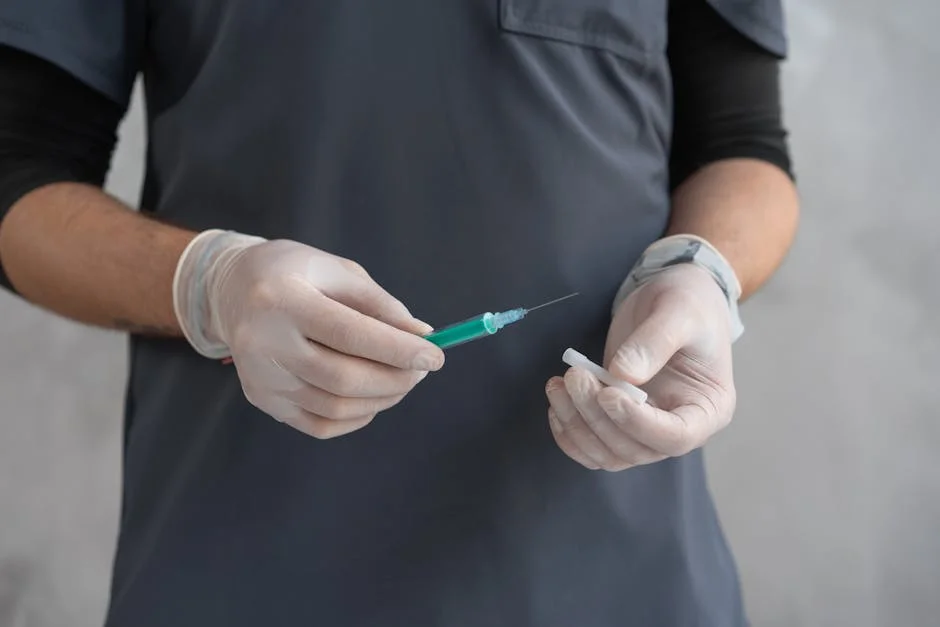
For decades, the search for an HIV vaccine has been fraught with setbacks and delayed timelines. The current success represents years of dedicated work by international teams and local researchers. It signals a shift from merely managing the virus to potentially halting its spread through immunization.
This progress aligns with the urgent need for innovative health solutions in developing nations. The jab could reduce the burden on healthcare systems that are often stretched thin by chronic disease management. It offers a proactive approach rather than a reactive one.
Why This Matters for African Development
Africa bears the heaviest burden of the HIV epidemic, with sub-Saharan Africa accounting for nearly two-thirds of all people living with HIV globally. A successful vaccine could dramatically alter the demographic and economic landscape of the continent. It directly supports the African Union’s Agenda 2063, which emphasizes healthy and well-nourished populations.
The economic implications are profound. Reducing HIV prevalence means a more productive workforce and lower healthcare expenditures for governments. Countries like Nigeria and South Africa, which have large HIV-positive populations, stand to gain significantly from widespread adoption. This aligns with broader goals of sustainable economic growth and social stability.
However, the benefit is not automatic. It requires strategic planning and substantial investment in public health infrastructure. The vaccine must be integrated into existing health systems to maximize its impact. This integration is crucial for ensuring that the scientific breakthrough translates into real-world health outcomes.
Challenges in Implementation
Several hurdles remain before the jab can achieve widespread coverage across the continent. Cold chain logistics, which are critical for vaccine storage and transport, are often inconsistent in rural areas. Power outages and transportation delays can compromise the efficacy of the vaccine, leading to potential waste.
Funding is another major constraint. While the initial research costs are covered, the long-term procurement and distribution require sustained financial commitment. International donors and local governments must coordinate to ensure a steady flow of resources. Without this, the vaccine might remain accessible only to the wealthy.
Public awareness and acceptance are also critical factors. Misinformation and vaccine hesitancy can undermine even the most effective medical interventions. Community engagement strategies must be tailored to local cultural contexts to build trust and encourage uptake. This requires a nuanced approach that goes beyond simple medical messaging.
South Africa’s Strategic Position
South Africa has emerged as a key player in the rollout of the new HIV prevention jab. The country hosts some of the largest clinical trials and has a robust pharmaceutical manufacturing sector. This positions it as a potential hub for vaccine production and distribution for the wider region.
The South African government has already begun integrating the vaccine into its national health strategy. This proactive approach could serve as a model for other African nations facing similar challenges. It demonstrates the importance of local ownership and strategic planning in health interventions.
However, South Africa also faces internal disparities in healthcare access. Ensuring that the vaccine reaches both urban centers and rural communities is a significant logistical challenge. Addressing these disparities is essential for achieving equitable health outcomes across the country.
Logistical Hurdles Across the Continent
Distributing the vaccine across Africa’s vast and diverse landscape presents unique challenges. Infrastructure deficits, including poor road networks and limited cold storage facilities, can hinder efficient delivery. These issues are particularly acute in landlocked countries and remote regions.
Coordination among multiple stakeholders is essential for success. Governments, international organizations, and private sector partners must work together to streamline the supply chain. This collaboration can help mitigate risks and ensure that the vaccine reaches those who need it most.
Additionally, the healthcare workforce in many African countries is stretched thin. Training healthcare workers to administer the vaccine effectively and manage potential side effects is crucial. This requires investment in education and continuous professional development for medical staff.
Economic Impact and Investment Needs
The economic benefits of a widespread HIV vaccine rollout are substantial but require upfront investment. Governments must allocate funds for procurement, storage, and administration. International financial institutions and donors can play a vital role in bridging the funding gap.
A productive workforce free from the burden of HIV can drive economic growth. Reduced healthcare costs allow governments to invest in other critical sectors such as education and infrastructure. This creates a positive feedback loop that enhances overall development.
However, without strategic financial planning, the cost of the vaccine could strain national budgets. It is essential to negotiate favorable pricing and secure long-term funding commitments. This ensures that the financial burden does not outweigh the economic benefits.
Community Engagement and Public Trust
Building public trust is critical for the success of the HIV vaccine rollout. Community leaders and healthcare workers must engage with the public to address concerns and dispel myths. This engagement helps to foster a sense of ownership and encourages voluntary uptake.
Misinformation can spread quickly, especially in the digital age. Targeted communication strategies are needed to reach different demographic groups effectively. Using local languages and culturally relevant messaging can enhance the impact of these efforts.
Transparency in the vaccine’s development and rollout process also builds trust. Sharing data on efficacy, safety, and potential side effects helps to demystify the vaccine. This openness encourages the public to make informed decisions about their health.
Future Steps and Monitoring
The next phase involves rigorous monitoring and evaluation of the vaccine’s performance in real-world settings. Data collection on efficacy, safety, and coverage rates will guide future strategies. This evidence-based approach ensures that adjustments can be made to optimize the rollout.
International collaboration will continue to be essential. Sharing best practices and lessons learned from early adopters can help other countries avoid common pitfalls. This collective effort strengthens the global response to the HIV pandemic.
Stakeholders must remain vigilant and adaptive. The landscape of HIV prevention is evolving, and new challenges may emerge. Continuous innovation and strategic planning are necessary to sustain the momentum gained from this breakthrough.
Readers should watch for announcements from the African Union regarding coordinated procurement strategies in the coming quarter. These decisions will determine the pace and scale of the vaccine rollout across the continent. The next six months are critical for establishing a robust distribution framework.
Economic Impact and Investment Needs The economic benefits of a widespread HIV vaccine rollout are substantial but require upfront investment. Reduced healthcare costs allow governments to invest in other critical sectors such as education and infrastructure.