Somalia has imprisoned a woman for leading a peaceful protest, sparking international outrage after reports emerged that she was stripped, kicked, and beaten by security forces. Sadia Moalim Ali, a prominent local activist, was detained in Mogadishu while demanding transparency regarding the management of the country's vital oil revenues. This incident highlights the fragile state of civil liberties in the Horn of Africa, raising serious questions about the nation's trajectory toward democratic consolidation and sustainable economic growth.
The Detention and Alleged Brutality
The arrest of Sadia Moalim Ali occurred during a demonstration in the capital city of Mogadishu. Protesters gathered to question the government’s handling of the oil sector, which holds the potential to transform Somalia’s economy. Security forces responded with disproportionate force, according to witnesses and early reports from human rights monitors. The brutality described in the accounts includes physical abuse that many argue amounts to torture.
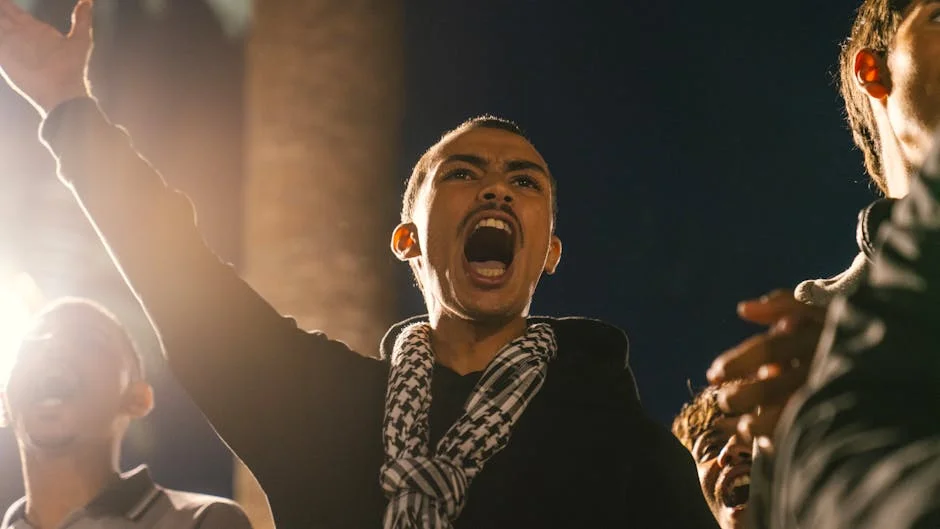
Witnesses state that Ali was removed from her vehicle and subjected to a harsh interrogation. Reports indicate she was stripped of her clothing and beaten by several officers before being taken into custody. These actions have drawn sharp criticism from local civil society groups and international observers. The treatment of a female protester in such a public and violent manner has become a focal point for broader discussions on gender rights and police accountability in Somalia.
Context of Somalia’s Political Instability
Somalia has been navigating a complex political landscape for decades, balancing federalism, security, and economic reform. The Federal Government of Somalia, based in Mogadishu, has faced constant pressure to deliver tangible improvements in living standards. The oil sector represents one of the most promising avenues for revenue generation, yet disputes over contracts and transparency remain unresolved. This economic uncertainty fuels public discontent and drives citizens to the streets.
The current administration is under pressure to implement reforms that align with international standards and domestic expectations. Governance challenges are compounded by security threats from various factions, including the persistent influence of Al-Shabaab. These security concerns often lead to a heavy-handed approach to civil liberties, as authorities prioritize order over individual rights. The detention of Ali reflects this ongoing tension between state control and citizen engagement.
Impact on African Development Goals
This incident serves as a critical case study for African development goals, particularly those related to governance and human rights. The African Union and other continental bodies emphasize the importance of inclusive governance for sustainable growth. When citizens are silenced through force, the social contract weakens, making it harder to implement long-term development strategies. The treatment of Sadia Moalim Ali undermines the progress made in establishing democratic institutions in Somalia.
Civil Liberties and Economic Growth
Economic development in Africa is closely tied to the health of civil society. Investors look for stability, transparency, and the rule of law before committing capital. The brutal treatment of a protester signals potential risks for foreign direct investment, particularly in sensitive sectors like oil and gas. If citizens cannot peacefully express their grievances, the political environment becomes unpredictable. This unpredictability can deter the very investments needed to drive infrastructure development and job creation.
Furthermore, the incident highlights the challenges faced by women in African public life. Women activists often play a leading role in pushing for reform, yet they frequently face disproportionate scrutiny and violence. The case of Sadia Moalim Ali brings attention to the need for stronger legal protections for women in the public sphere. Empowering women to participate in governance is essential for achieving balanced and inclusive economic growth across the continent.
International Reaction and Diplomatic Pressure
The international community has reacted swiftly to the news of Ali’s detention. Human rights organizations have called for an immediate and fair trial, as well as a thorough investigation into the conduct of the security forces. Diplomatic missions in Mogadishu are likely to raise the issue with Somali officials, urging them to demonstrate a commitment to transparency and justice. The global spotlight on this case increases the pressure on the Somali government to act decisively.
Regional partners, including Kenya and Ethiopia, are also watching the situation closely. Stability in Somalia is crucial for the broader Horn of Africa region, given the interconnected nature of trade and security. If the situation deteriorates, it could have spillover effects on regional stability and economic cooperation. The international response underscores the importance of Somalia’s governance model for the wider African development agenda.
The Role of Media and Public Discourse
Media coverage plays a vital role in shaping public perception and holding authorities accountable. Reports from outlets like The Guardian have brought the plight of Sadia Moalim Ali to a global audience. This media attention helps to mobilize public opinion and encourages diplomatic engagement. In an era of digital communication, the speed at which news travels can force governments to respond quickly to avoid further reputational damage.
However, media freedom in Somalia also faces challenges. Journalists and activists often operate in a climate of uncertainty, where the line between scrutiny and scrutiny can be thin. The detention of a protester who is also a public figure highlights the risks involved in speaking truth to power. Protecting media freedom is essential for fostering an informed citizenry and ensuring that governance remains transparent and responsive to the needs of the people.
Implications for Regional Stability
The treatment of Sadia Moalim Ali has broader implications for regional stability in the Horn of Africa. Somalia is a key player in the region’s economic and security architecture. The success of its development model could serve as a blueprint for other post-conflict nations. Conversely, a regression in civil liberties could set back progress and encourage authoritarian tendencies in neighboring countries. The outcome of this case will be closely watched by policymakers across the continent.
Regional organizations, such as the Intergovernmental Authority on Development (IGAD), may use this incident to push for deeper political reforms. The goal is to create a more stable and predictable environment for investment and trade. By addressing the root causes of public discontent, Somalia can strengthen its position as a regional hub. The detention of a single protester, therefore, has the potential to influence the trajectory of development for the entire region.
What to Watch Next
The immediate future will focus on the legal proceedings against Sadia Moalim Ali. Observers will look for signs of a fair trial, including access to legal counsel and the presentation of concrete evidence. The government’s response to international pressure will also be telling. Will they release her, or will they use the case to demonstrate state authority? The outcome will provide valuable insights into the state of democratic institutions in Somalia.
Additionally, the reaction of the Somali public will be crucial. If the detention sparks further protests, the security forces will face the challenge of managing unrest without exacerbating tensions. The coming weeks will be critical in determining whether this incident becomes a catalyst for broader reform or a symbol of ongoing stagnation. Readers should monitor official statements from the Ministry of Interior and updates from human rights groups for further developments.
See Also
- Zimbabwe Citizens Demand Accountability Amid Rising Tensions Over Resources
- South Africa Fires Over 50 Immigration Officials for Corruption - Impact on Development Goals