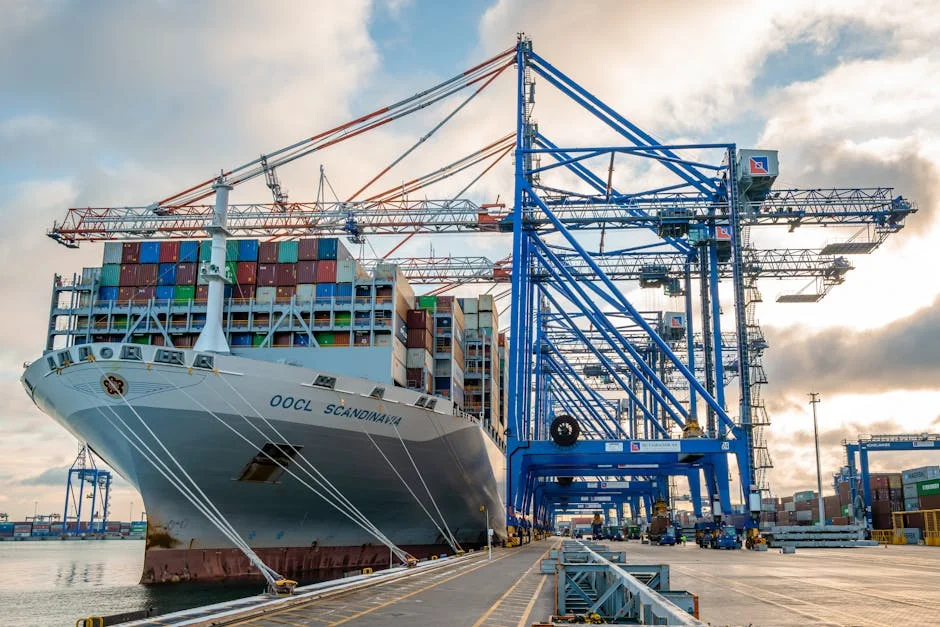
The Federal Government of Nigeria has launched a rigorous campaign to stabilize crude oil output, aiming to reclaim its position as the dominant energy exporter on the African continent. This strategic push comes after production levels dipped below the critical threshold required to maintain fiscal stability and fund essential public services. The move signals a decisive shift in how Abuja manages its most valuable natural resource in the face of global market volatility.
Production Shortfalls Threaten Fiscal Stability
Nigeria’s oil sector has faced persistent challenges that have directly impacted the national treasury. Recent data indicates that daily crude production has hovered around 1.8 million barrels, falling short of the targeted two million barrels per day. This deficit forces the country to import refined petroleum products despite having abundant raw materials, creating a complex economic paradox that drains foreign reserves.
The Ministry of Petroleum Resources has identified infrastructure decay and security issues in the Niger Delta as primary culprits. These factors have led to frequent pipeline ruptures and increased theft, which collectively disrupt the steady flow of crude to the Bonny Terminal. Without immediate intervention, the gap between production and consumption will widen, placing additional pressure on the Nigerian Naira.
Analysts point out that the reliance on oil revenue accounts for nearly 70 percent of the federal government’s budget. When production slips, the ripple effects are felt across all sectors, from healthcare to education. The current strategy aims to plug these leaks and maximize output to ensure that revenue streams remain robust enough to support national development goals.
Infrastructure Deficits in the Niger Delta
The physical state of Nigeria’s oil infrastructure requires urgent attention to unlock its full potential. Many pipelines, some dating back to the 1970s, suffer from corrosion and inadequate maintenance, leading to frequent spills that also affect local communities. The Federal Government has allocated funds for the rehabilitation of the Trans-Ahmadu Bello (TAB) pipeline, a critical artery for moving crude from the Niger Delta to the Lagos refineries.
Security and Community Relations
Beyond physical decay, security remains a paramount concern in the oil-rich regions. Militia groups and artisanal oil miners, often referred to as "broadside" miners, frequently invade flow stations and pipeline junctions. These disruptions are not merely operational headaches but also reflect deeper socio-economic grievances in the Niger Delta region.
The government’s approach now includes a dual strategy of military enforcement and community engagement. By improving living standards and providing economic opportunities for local youths, authorities hope to reduce the incentive for oil theft and vandalism. This holistic view recognizes that infrastructure cannot thrive without the peace and stability of the surrounding communities.
Impact on African Energy Leadership
Nigeria’s performance in the oil sector has direct implications for the broader African energy landscape. As the continent’s largest oil producer, Nigeria’s output influences global supply dynamics and pricing mechanisms. A stable and growing production rate would strengthen Nigeria’s bargaining power within OPEC+, allowing it to negotiate better terms for African energy exports.
The continent is currently witnessing a surge in interest in African energy resources, particularly as Europe seeks to diversify its supply chains. Nigeria is well-positioned to capitalize on this opportunity if it can consistently meet its export quotas. This could lead to increased foreign direct investment in the upstream sector, bringing in new technologies and expertise.
However, competition from other African producers like Angola and Libya is intensifying. These countries have made significant strides in improving their production efficiencies and attracting international oil companies. Nigeria must accelerate its reforms to avoid losing market share and maintaining its status as the premier energy hub of West Africa.
Revenue Allocation and Economic Growth
The funds generated from increased oil production are critical for financing Nigeria’s ambitious development projects. The Federal Government has outlined plans to invest heavily in road networks, power generation, and digital infrastructure. These investments are seen as essential for diversifying the economy and reducing the long-term dependency on crude oil.
Effective revenue allocation is also vital for addressing regional disparities. The Niger Delta region, which contributes the bulk of the oil revenue, often calls for a greater share of the proceeds to fund local development initiatives. Ensuring that these funds are utilized transparently and efficiently can help foster national unity and reduce political tension.
Economic growth in Nigeria is closely tied to the stability of the oil sector. When oil prices are favorable and production is steady, the economy tends to expand, creating jobs and boosting consumer spending. Conversely, production slumps often lead to economic contraction, higher inflation, and increased poverty rates across the country.
Policy Reforms and Governance Challenges
Governance issues have long plagued the Nigerian oil sector, with corruption and bureaucratic inefficiencies slowing down progress. The introduction of the Petroleum Industry Act (PIA) was a landmark step towards modernizing the sector and improving transparency. This legislation aims to clarify roles, enhance fiscal incentives for investors, and ensure that more revenue is retained by the Federal Government.
Implementing the PIA requires strong political will and effective coordination among various government agencies. The Ministry of Petroleum Resources must work closely with the Nigerian National Petroleum Company (NNPC) and regulatory bodies to ensure that the new rules are enforced consistently. This collaborative approach is essential for building investor confidence and attracting new capital.
Transparency in revenue management is another critical area for improvement. The creation of the Petroleum Profits Account and the stabilization fund aims to smooth out revenue fluctuations and ensure that funds are available for key projects. However, effective monitoring and auditing are necessary to prevent leakage and ensure that the money reaches its intended destinations.
Global Market Dynamics and Future Outlook
The global oil market is characterized by volatility, influenced by geopolitical tensions, technological advancements, and shifting consumer preferences. Nigeria must remain agile and responsive to these changes to maximize its oil revenues. Diversifying export markets and investing in value-added products like petrochemicals can help mitigate the risks associated with price fluctuations.
The transition to renewable energy is also a growing concern for oil-producing nations. While oil demand is expected to remain strong for the next two decades, the long-term outlook is uncertain. Nigeria is beginning to explore opportunities in solar, wind, and hydro power to complement its oil and gas revenues. This diversification strategy is crucial for ensuring long-term economic resilience.
International partnerships will play a key role in Nigeria’s energy future. Collaborations with major oil companies and foreign governments can bring in much-needed investment and technology. These partnerships should be structured to ensure that Nigeria captures a fair share of the value generated from its oil resources, benefiting both the state and the citizenry.
Strategic Steps for Sustained Growth
Achieving sustainable growth in Nigeria’s oil sector requires a multi-faceted approach that addresses both immediate and long-term challenges. The Federal Government must continue to prioritize infrastructure development, security, and policy reform. These efforts must be supported by strong governance and transparency to ensure that the benefits of oil production are widely shared.
Investment in human capital is also essential for the sector’s future. Training and educating the workforce will enhance productivity and innovation, making Nigeria’s oil industry more competitive globally. This includes investing in technical education and vocational training programs tailored to the needs of the energy sector.
The path forward is clear but demanding. Nigeria has the resources, the talent, and the strategic location to become a global energy leader. Realizing this potential requires sustained effort, political stability, and a commitment to excellence. The coming months will be critical in determining whether Nigeria can turn its oil sector into a powerful engine for national development.
Readers should monitor the quarterly production reports released by the Ministry of Petroleum Resources for the next six months. These figures will provide early indicators of whether the current stabilization measures are yielding tangible results. Additionally, watch for announcements regarding new foreign direct investment deals in the Niger Delta, which will signal international confidence in the sector’s recovery trajectory.
See Also
- Sporting Elections: Varandas and Bruno Sá Vie for Leadership in Portugal
- Akpabio Warns: Terrorists Now Target Nigeria, Not Political Parties
What is the latest news about nigeria slams oil output records economy hangs in the balance?
Why does this matter for politics-governance?
What are the key facts about nigeria slams oil output records economy hangs in the balance?