The Transmission Company of Nigeria (TCN) has confirmed the loss of 276 transmission towers to vandalism over the past three years. This staggering figure exposes a critical vulnerability in the nation’s power infrastructure, threatening the stability of the national grid. The crisis undermines Nigeria’s ambitious economic growth targets and highlights a broader continental challenge regarding infrastructure security.
Infrastructure Decay in West Africa
Electricity is the lifeblood of modern economic development, yet Nigeria’s grid remains fragile. The disappearance of nearly 300 towers in just 36 months represents a severe capital drain for the state-owned utility. Each tower lost requires millions of naira to replace, funds that could have been invested in expanding capacity or upgrading substations. This decay is not merely a statistical anomaly but a direct impediment to industrial productivity.
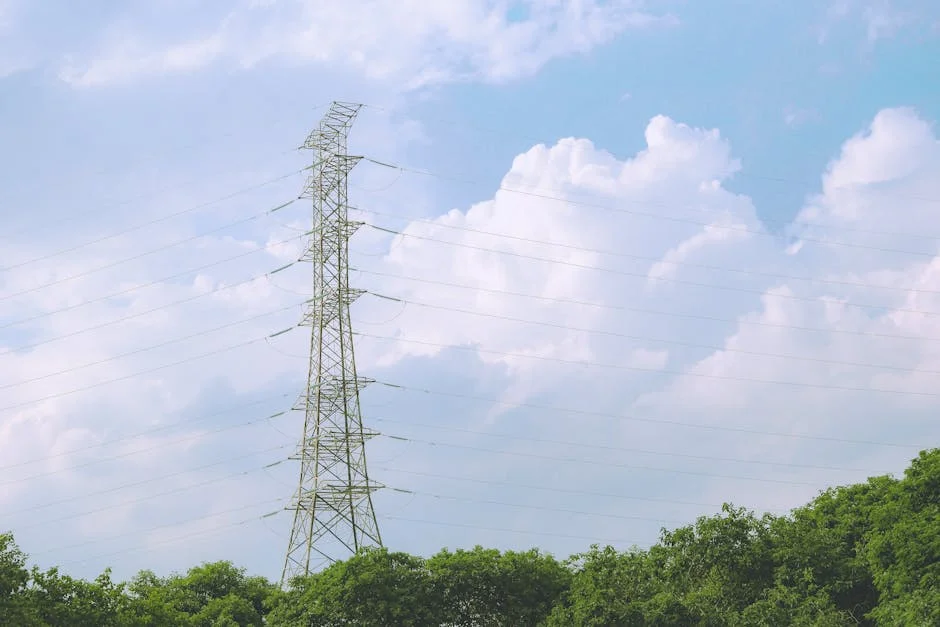
The situation in Nigeria reflects a wider pattern across parts of Sub-Saharan Africa where infrastructure investment often outpaces protective measures. While countries like South Africa focus on renewable integration, Nigeria struggles with basic physical security of its assets. This disparity affects foreign direct investment, as manufacturers hesitate to locate in regions where power supply is unpredictable due to recurrent line faults.
The economic implications are profound for a country aiming to diversify its revenue streams beyond crude oil. Without a stable grid, the cost of doing business remains high, forcing companies to rely on expensive diesel generators. This inefficiency erodes profit margins and reduces the competitiveness of Nigerian goods in the global market. The TCN’s data serves as a stark warning that infrastructure development is incomplete without robust security protocols.
The Human Cost of Power Outages
Behind every vanished tower is a neighborhood plunged into darkness, disrupting daily life and economic activity. In Lagos, the commercial nerve center of Nigeria, power outages can cost the economy billions of naira annually. Small businesses close earlier, factories slow down production, and households spend a disproportionate income on energy. The human toll is measured in lost working hours and reduced quality of life for millions of citizens.
Healthcare facilities are particularly vulnerable to grid instability. Hospitals in Abuja and Port Harcourt frequently rely on backup generators, but fuel shortages or mechanical failures can lead to critical power gaps. These gaps endanger patient lives, especially in intensive care units where continuous power is non-negotiable. The loss of transmission infrastructure directly impacts the quality of healthcare delivery, a key component of the African Union’s Agenda 2063.
Education also suffers when power supply is inconsistent. Schools in urban and rural areas alike face challenges in integrating technology into the curriculum. Without reliable electricity, computers and digital learning tools become underutilized assets. This digital divide exacerbates educational inequalities, limiting opportunities for young Nigerians to compete in a increasingly digital global economy. The TCN’s tower losses are therefore an educational crisis in disguise.
Economic Impact on Key Sectors
The manufacturing sector bears the brunt of the power instability. Factories in the Lekki Free Zone, for instance, often experience downtime due to fluctuating voltage and frequent outages. This unpredictability forces manufacturers to overinvest in captive power, raising the cost of production. Consequently, Nigerian-made goods become less competitive compared to imports from more stable power environments in neighboring countries.
Agriculture, the backbone of the Nigerian economy, is also affected. Irrigation schemes and cold storage facilities require consistent power to function efficiently. Without it, post-harvest losses increase, reducing the income of farmers and raising food prices for consumers. The ripple effect is felt in markets across the country, contributing to inflationary pressures that squeeze household budgets. The loss of transmission towers thus has a direct link to food security and economic stability.
Security Challenges on the Grid
The vandalism of transmission towers is not always a random act of destruction. In many cases, it is driven by economic desperation or organized crime. In the Niger Delta region, oil spillages and gas flaring have created an environment where local communities often feel marginalized. Some residents turn to the grid as a source of income, stripping aluminum conductors and steel structures for scrap. This phenomenon highlights the intersection of energy security and social equity.
Security agencies have struggled to contain the problem due to the vastness of the network and limited resources. The TCN has deployed more patrol units, but the sheer scale of the infrastructure makes it difficult to monitor every tower effectively. In some areas, local vigilante groups have stepped in to fill the gap, but their effectiveness varies. The need for a coordinated security strategy involving federal and state governments is becoming increasingly urgent.
The cost of security is rising, adding to the operational expenses of the TCN. However, without adequate funding, the utility finds it hard to hire and equip enough personnel to guard the network. This financial constraint creates a vicious cycle where more towers are lost, leading to higher costs for replacement and security, which in turn strains the budget further. Breaking this cycle requires innovative financing and public-private partnerships.
Comparative Continental Perspectives
Nigeria’s power sector challenges are not unique, but the scale of tower vandalism is notable. In Kenya, for example, the focus has been on expanding the grid through public-private partnerships and investing in renewable energy sources like geothermal and wind. The Kenya Power Company has implemented rigorous maintenance schedules and community engagement programs to reduce losses. This approach has resulted in a more stable grid, attracting investment and boosting economic growth.
South Africa has faced its own electricity crises, primarily driven by the performance of the flagship utility, Eskom. While vandalism is less of an issue compared to Nigeria, operational inefficiencies and delayed maintenance have led to frequent load shedding. The South African experience underscores the importance of proactive maintenance and strategic investment in capacity. These lessons are relevant for Nigeria as it seeks to stabilize its grid and improve service delivery.
Other African nations are also exploring innovative solutions to power instability. Morocco has invested heavily in solar energy, reducing its reliance on imported fossil fuels and enhancing grid resilience. Ghana has focused on diversifying its energy mix and improving distribution efficiency. These examples offer valuable insights for Nigeria, suggesting that a multi-faceted approach combining security, maintenance, and diversification is essential for long-term stability.
Policy Responses and Future Steps
The Nigerian government has recognized the urgency of the situation and has introduced several policy measures to address the crisis. The Electricity Act of 2018 aimed to liberalize the sector, encouraging private investment and improving efficiency. However, the implementation of the Act has been gradual, and challenges remain in attracting sufficient capital to upgrade the infrastructure. The TCN’s recent data underscores the need for faster and more decisive action.
There is also a growing emphasis on community engagement as a strategy to reduce vandalism. By involving local communities in the management and benefit-sharing of power infrastructure, the TCN hopes to foster a sense of ownership and reduce hostility. This approach has shown promise in some regions, but it requires consistent effort and transparent communication to be effective. Building trust between the utility and the communities is crucial for long-term security.
Technological innovations are also being explored to enhance grid security. The use of drones for aerial surveillance and smart sensors for real-time monitoring can help detect anomalies and respond quickly to threats. These technologies can complement traditional security measures, providing a more comprehensive view of the grid’s status. Investing in digital infrastructure is therefore a key component of the strategy to protect physical assets.
What to Watch Next
The coming months will be critical for the TCN as it implements its new security and maintenance plans. Stakeholders are watching to see if the deployment of additional patrol units and the introduction of smart monitoring systems will yield measurable results. The next quarterly report from the TCN will provide valuable insights into the trend of tower losses and the effectiveness of the interventions. Investors and policymakers alike are keen to see a downward trajectory in vandalism incidents.
Additionally, the government’s efforts to finalize the tariff review and attract private investment in transmission infrastructure will be closely monitored. A stable and predictable regulatory environment is essential for boosting confidence in the sector. The outcome of these policy decisions will have a lasting impact on the stability of the grid and the broader economic prospects of Nigeria. The path to a resilient power system is clear, but the pace of implementation will determine its success.
See Also
- Donut Lab Reveals Breakthrough Battery Tech: 5-Minute Charges Slam Traditional Energy Models
- Emergency Kits Proposal Sparks Controversy in African Development Circles