Patrice Motsepe has launched a bold equity initiative at GoTyme Bank, inviting all employees to become shareholders in the digital lender. This move aims to align staff incentives with the bank’s rapid expansion across the continent. The strategy challenges traditional banking models and offers a new template for African financial inclusion.
A New Model for African Banking
Motsepe, the chairman of the African Resources Group, sees employee ownership as a critical driver for GoTyme’s growth. The digital bank operates in a highly competitive landscape in South Africa. By turning staff into stakeholders, the bank hopes to reduce turnover and boost productivity. This approach mirrors successful models seen in European and Asian tech firms.
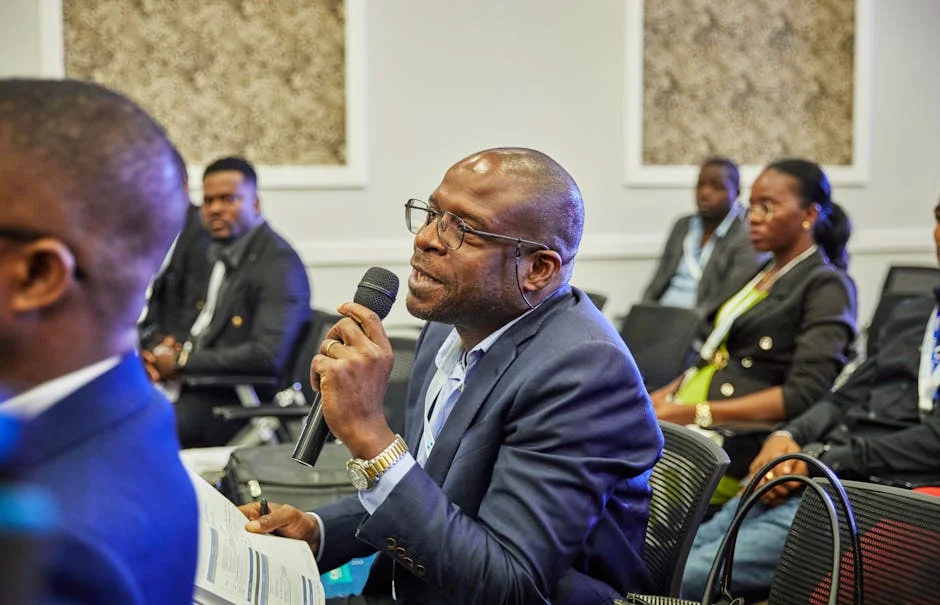
The initiative reflects a broader shift in how African businesses view human capital. Traditional hierarchies are giving way to more fluid, incentive-driven structures. Employees are no longer just wage earners but potential equity holders. This change could redefine loyalty and performance metrics in the sector.
Why Equity Matters for Staff
Employee share ownership plans (ESOPs) provide a direct financial stake in the company’s success. When staff own a piece of the pie, their daily decisions often align better with long-term goals. This alignment is crucial for a digital bank that relies on agility and innovation. Motsepe believes this will create a more engaged and motivated workforce.
Expanding Across the Continent
GoTyme Bank is not just a South African phenomenon; it is positioning itself as a pan-African financial powerhouse. The bank has already made inroads into Nigeria and Kenya, two of Africa’s largest economies. This expansion strategy is vital for achieving scale and diversifying revenue streams. Motsepe’s vision extends beyond borders, targeting the continent’s young, digital-native population.
The entry into markets like Nigeria presents both opportunities and challenges. Regulatory frameworks vary significantly from one country to another. GoTyme must navigate these differences while maintaining a consistent brand identity. The bank’s ability to adapt will determine its long-term success in these diverse markets.
Investors are watching closely to see how GoTyme leverages its employee equity model to fuel this expansion. If successful, this could set a precedent for other African fintechs. The potential for cross-border collaboration and shared best practices is immense. This model could help solve the problem of talent retention in emerging markets.
Challenges in the Digital Lending Space
The digital lending sector in Africa is booming, but it is also becoming increasingly crowded. Competitors like TymeBank, FairMoney, and Branch are vying for market share. GoTyme must differentiate itself to stand out in this saturated market. Employee ownership is one such differentiator, but it is not the only factor.
Technology infrastructure remains a key challenge. Reliable internet connectivity and smartphone penetration are essential for digital banking. In many parts of Africa, these basics are still works in progress. GoTyme must invest heavily in tech to ensure a seamless user experience.
Credit risk is another significant concern. With a large portion of the population being unbanked or underbanked, assessing creditworthiness can be tricky. GoTyme relies on data analytics and alternative data points to evaluate borrowers. The accuracy of these models will directly impact the bank’s profitability.
Impact on African Development Goals
GoTyme’s strategy aligns well with several African development goals. Financial inclusion is a key pillar of the African Union’s Agenda 2063. By bringing more people into the formal financial system, GoTyme contributes to this broader objective. Employee ownership also promotes economic empowerment, a core tenet of pan-African development.
The bank’s focus on digital solutions helps bridge the gap between traditional banking and modern needs. This is particularly important for the youth, who are driving economic growth across the continent. By empowering young employees and customers, GoTyme is investing in Africa’s future. This demographic dividend is a massive opportunity for savvy investors.
Furthermore, the bank’s expansion into multiple countries fosters regional integration. Cross-border transactions become easier, and economies of scale are achieved. This contributes to the creation of a more cohesive African single market. Such integration is essential for boosting intra-African trade and investment.
Regulatory Hurdles and Compliance
Navigating the regulatory landscape is a constant challenge for GoTyme. Each country has its own central bank and set of rules. In South Africa, the Financial Sector Conduct Authority (FSCA) is watching closely. In Nigeria, the Central Bank of Nigeria (CBN) has introduced new guidelines for digital lenders. Compliance requires significant resources and local expertise.
Regulators are also concerned about consumer protection. With the rise of digital lending, there is a fear of predatory practices. GoTyme must ensure transparency in its pricing and terms. Building trust with customers and regulators is crucial for long-term stability. Any misstep could lead to hefty fines or even a loss of license.
Motsepe’s experience in dealing with regulators across Africa gives GoTyme an edge. He has a track record of successful negotiations and strategic partnerships. This relationship capital is invaluable in a sector that is still evolving. The bank’s ability to influence policy while complying with it will be tested.
Financial Performance and Investor Sentiment
Investors are keen to see how the employee equity plan affects GoTyme’s financials. In the short term, the cost of issuing shares might impact earnings per share. However, the long-term benefits of reduced turnover and increased productivity should offset this. Motsepe needs to communicate this value proposition clearly to shareholders.
The bank’s revenue growth has been impressive, driven by loan disbursements and fee income. But profitability remains a key metric. GoTyme must balance growth with cost control. The employee ownership model could help with this by fostering a culture of ownership and efficiency. Every employee becomes a mini-CFO, mindful of costs and revenues.
Market sentiment towards African fintechs has been positive, but it is not without volatility. Global economic conditions, such as interest rate hikes, can impact investor appetite. GoTyme must demonstrate resilience and consistent performance to retain investor confidence. The upcoming earnings reports will be closely watched for signs of this.
What to Watch Next
The next six months will be critical for GoTyme Bank. The rollout of the employee equity plan will be closely monitored for its impact on morale and performance. Investors will also be watching for updates on the bank’s expansion into new markets. Any regulatory changes in key countries like Nigeria and Kenya could also shift the landscape. Motsepe’s ability to execute this ambitious strategy will define GoTyme’s future.
See Also
- Sobre Exposes Future of Conflict in Iran: What It Means for Africa's Development
- Rosalía Bans Photojournalists at Lisbon Concerts — Impact on Portugal’s Media Landscape