Zakithi Nene stormed to victory in Gaborone, delivering a masterclass in sprinting that has sent shockwaves through the global athletics community. This triumph is not merely a personal milestone for the young Botswanan star but a potent symbol of the nation's strategic investment in sporting excellence. The performance underscores a broader continental shift where African nations are leveraging sports as a vehicle for economic growth and soft power.
The victory comes at a critical juncture for Botswana, a country long celebrated for its diamond wealth but increasingly defined by its athletic prowess. With figures like Collen Kebinatshipi also making headlines, the nation is positioning itself as a new powerhouse in men's sprinting. This development offers valuable lessons for other African countries seeking to diversify their economic and cultural influence on the world stage.
A New Era for Botswana Athletics
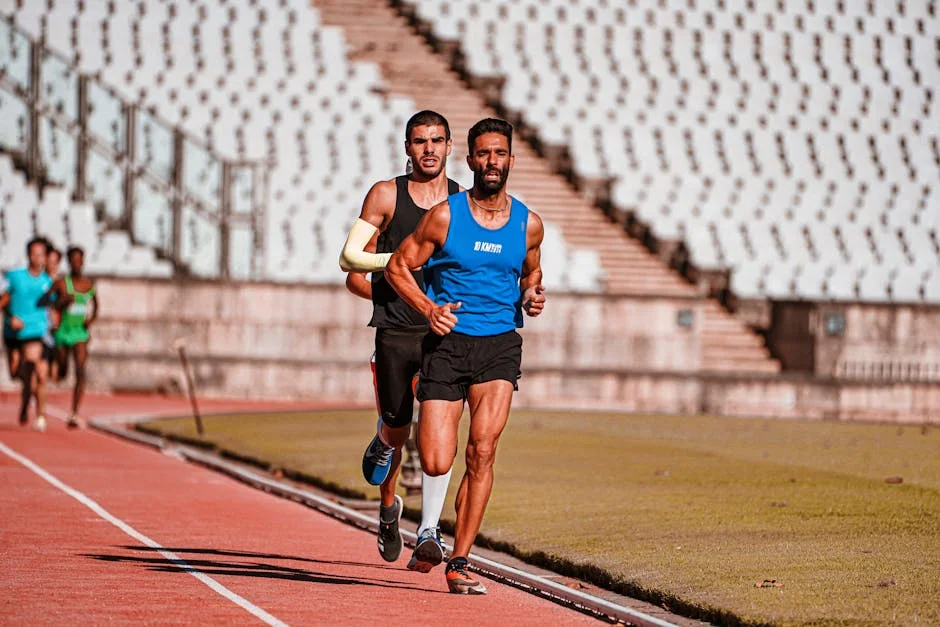
The rise of Zakithi Nene represents a deliberate and calculated move by Botswana to dominate the men's sprinting circuit. The government has recognized that sporting success can drive tourism, attract foreign investment, and enhance national branding. This strategic approach has transformed Gaborone into a hub for athletic talent, drawing coaches and investors from across the continent and beyond.
Nene's performance in Gaborone was nothing short of spectacular, showcasing a blend of raw speed and technical precision that rivals the best in the world. His victory at the World Athletics Relays highlights the depth of talent emerging from Botswana's training programs. This success is not an isolated incident but part of a sustained effort to build a sustainable sporting ecosystem.
The impact of this success extends beyond the track. It has sparked a renewed interest in athletics among the youth, leading to increased enrollment in local clubs and academies. This grassroots movement is crucial for maintaining the momentum and ensuring a steady pipeline of talent for future competitions. The government's support for these initiatives demonstrates a clear understanding of the long-term benefits of sporting investment.
Infrastructure and Investment
A key factor in Botswana's athletic success is the significant investment in infrastructure. The state-of-the-art facilities in Gaborone provide athletes with world-class training environments, reducing the need to travel extensively for preparation. This infrastructure has attracted international competitions, further boosting the local economy and raising the profile of Botswana as a sporting destination.
The government has also partnered with private sector players to fund scholarships and training programs. These partnerships ensure that talented athletes from diverse backgrounds have the resources they need to compete at the highest level. This model of public-private collaboration is increasingly being adopted by other African nations seeking to maximize their sporting potential.
The Role of Collen Kebinatshipi
Collen Kebinatshipi has emerged as another pivotal figure in Botswana's sprinting dominance. His recent performances have drawn comparisons to Nene, suggesting a deepening talent pool within the nation. Kebinatshipi's consistency in international competitions has bolstered Botswana's confidence in their ability to challenge traditional powerhouses like the United States and Jamaica.
Kebinatshipi's journey is a testament to the effectiveness of Botswana's training methodologies. He has benefited from the same infrastructure and coaching resources that have propelled Nene to stardom. This synergy between top athletes creates a competitive environment that drives continuous improvement and innovation in training techniques.
The news surrounding Kebinatshipi has generated significant interest among fans and analysts alike. His developments are closely watched as indicators of the nation's sporting trajectory. The media coverage of his achievements has helped to solidify Botswana's reputation as a formidable force in global athletics, attracting sponsorship deals and media rights that further fuel the sporting economy.
Economic Impacts of Sporting Success
The economic benefits of Botswana's athletic success are becoming increasingly apparent. The influx of tourists for major events like the World Athletics Relays provides a substantial boost to the local hospitality and service sectors. This tourism revenue is crucial for a country looking to diversify its economic base beyond the traditional reliance on diamond exports.
Moreover, the success of athletes like Nene and Kebinatshipi has led to increased brand visibility for Botswana. International companies are more likely to invest in a country with a positive global image, and sporting excellence is a powerful tool for enhancing that image. This soft power dynamic can open doors for trade agreements and foreign direct investment in various sectors.
The sporting industry itself is also creating jobs and stimulating local economies. From coaches and trainers to event organizers and merchandise sellers, the ecosystem surrounding athletics is providing livelihoods for thousands of Botswanans. This economic diversification is essential for building resilience against global economic fluctuations.
Continental Challenges and Opportunities
While Botswana's success is inspiring, it also highlights the disparities in sporting development across the African continent. Many African nations struggle with inadequate funding, outdated infrastructure, and bureaucratic hurdles that stifle athletic talent. Botswana's model offers a blueprint for other countries to emulate, emphasizing the importance of strategic planning and sustained investment.
The continent faces the challenge of retaining its top talent, who often migrate to Europe or the United States for better opportunities. Botswana's ability to keep its stars at home while competing globally is a significant achievement. This retention strategy not only benefits the athletes but also strengthens the national team's cohesion and performance in international competitions.
Opportunities abound for African nations to learn from Botswana's experience. By investing in infrastructure, fostering public-private partnerships, and leveraging sporting success for economic gain, other countries can replicate this model. The key is to view sports not just as a pastime but as a strategic asset for national development.
Implications for Nigeria and West Africa
Nigeria, with its rich sporting heritage, can draw valuable lessons from Botswana's rise. The Nigerian athletics federation has seen periods of dominance but has also faced challenges in maintaining consistency. Understanding why Zakithi Nene matters in the context of African athletics can help Nigeria refine its own strategies for talent identification and development.
The impact of Zakithi Nene on Nigeria is indirect but significant. His success raises the bar for West African sprinters, compelling them to elevate their performance to remain competitive. This competitive pressure can drive innovation and improvement in training methods across the region, benefiting athletes from Nigeria, Ghana, and other neighboring countries.
Nigeria has the potential to reclaim its status as a sprinting giant by adopting similar investment strategies. The country has the demographic advantage and the cultural passion for sports. What is needed is a coordinated effort to translate this potential into tangible results through infrastructure development and strategic planning. The example set by Botswana serves as a catalyst for this transformation.
Future Prospects and Global Recognition
Looking ahead, Botswana is poised to consolidate its position as a leading force in global athletics. The continued success of Nene and Kebinatshipi, along with emerging talents, suggests a bright future for the nation. The government's commitment to sustaining this momentum indicates that Botswana is here to stay in the upper echelons of international sprinting.
Global recognition is likely to increase as Botswana's athletes continue to deliver standout performances. This recognition can lead to more sponsorship deals, media coverage, and international partnerships. The nation's sporting brand is becoming synonymous with excellence, attracting attention from fans and investors worldwide.
The challenge for Botswana will be to maintain this level of performance while expanding its sporting portfolio. Diversifying into other sports can further enhance the nation's global standing and economic benefits. The foundation laid by the success in sprinting provides a strong platform for this expansion, positioning Botswana as a multifaceted sporting power.
Strategic Lessons for African Development
The story of Botswana's athletic rise offers profound lessons for African development. It demonstrates the power of strategic investment and long-term planning in achieving tangible results. Sports can be a catalyst for broader economic and social development, driving growth in tourism, creating jobs, and enhancing national pride.
Other African nations can learn from Botswana's approach to talent management and infrastructure development. By creating an environment where athletes can thrive, countries can unlock the full potential of their sporting talent. This not only brings glory on the global stage but also contributes to the nation's economic resilience and global competitiveness.
The collaboration between the public and private sectors is another key takeaway. Leveraging the strengths of both sectors can maximize resources and ensure sustainable growth. This model can be applied to other areas of development, from education to healthcare, creating a holistic approach to national progress.
Policy Recommendations
African governments should prioritize sports in their national development agendas. This involves allocating sufficient funding for infrastructure, coaching, and talent identification. Policies should also encourage private sector involvement through incentives and partnerships. A coordinated approach can ensure that sports contribute meaningfully to economic and social development.
Investment in education and sports science is also crucial. Integrating sports into the educational curriculum can help identify talent at an early age and provide athletes with a balanced development path. Sports science can enhance training methods and injury prevention, giving African athletes a competitive edge on the global stage.
Regional collaboration can further amplify these efforts. African nations can share best practices, pool resources, and organize joint competitions to foster a sense of continental unity. This collaboration can strengthen the African sporting brand and increase its influence in global sports governance.
The next major test for Botswana will be the upcoming Olympic Games, where Nene and Kebinatshipi will face stiff competition from global giants. Fans and analysts will be watching closely to see if Botswana can maintain its momentum and secure multiple medals. The outcome of these games will significantly influence the nation's sporting strategy and investment plans for the next decade.
The continued success of Nene and Kebinatshipi, along with emerging talents, suggests a bright future for the nation. Botswana's ability to keep its stars at home while competing globally is a significant achievement.