The United States dollar surged past the N2,100 mark against the Nigerian Naira on Thursday, May 14, 2026, signaling fresh volatility in the West African nation’s foreign exchange market. This sharp movement comes as importers and businesses scramble to secure liquidity ahead of the month-end fiscal deadline, creating immediate pressure on the Central Bank of Nigeria (CBN). The rapid appreciation of the greenback reflects ongoing structural challenges in Nigeria’s balance of payments and the persistent demand for hard currency in Lagos and Abuja.
Naira Volatility Intensifies in May 2026
Financial data from major bureaux de change in Lagos shows the dollar opening at N2,085 before climbing steadily to close at N2,112 by late afternoon. This represents a nearly 1.5% daily increase, a figure that has caught many retail investors and small business owners off guard. The volatility is not merely a statistical anomaly but a tangible economic force affecting the cost of living across the country. Consumers in major urban centers are already feeling the pinch as transport fares and food prices adjust to the new exchange rate reality.
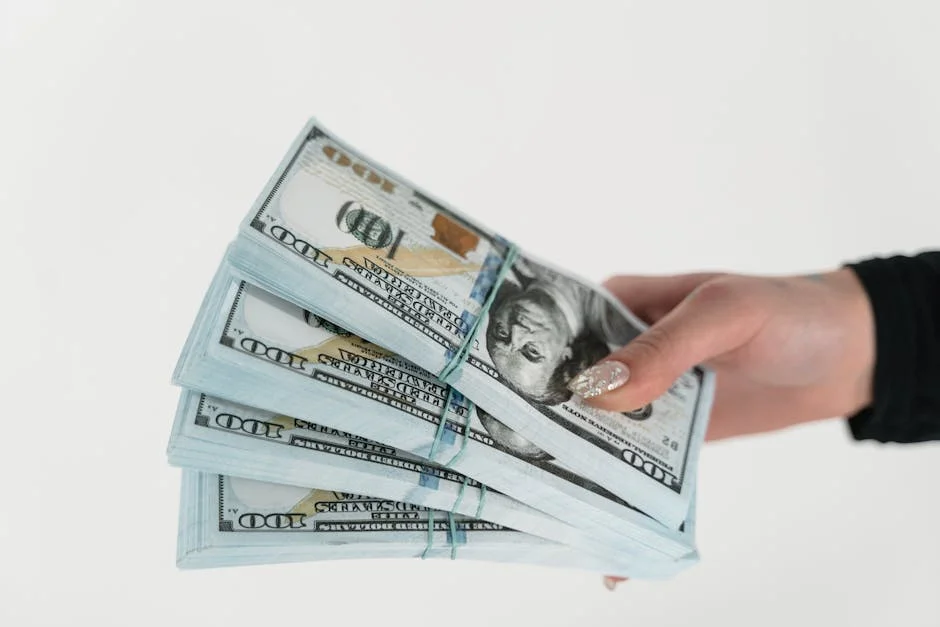
The Central Bank of Nigeria has maintained a relatively hawkish stance, utilizing open market operations to inject liquidity and stabilize the Naira. However, the sheer volume of dollar demand from oil importers and pharmaceutical companies continues to outstrip the daily supply of foreign reserves. This imbalance creates a natural upward pressure on the dollar’s value, regardless of short-term monetary interventions. The CBN’s ability to manage this pressure will be tested in the coming weeks as global oil prices remain fluctuating.
Impact on African Development Goals
This currency fluctuation places Nigeria’s progress toward the African Union’s Agenda 2063 under significant strain. Economic integration and intra-African trade are core pillars of this continental development framework, yet a volatile national currency hinders these ambitions. When the Naira loses value rapidly, the cost of importing essential goods from neighboring countries increases, reducing the competitiveness of Nigerian businesses. This dynamic undermines the goal of creating a single, cohesive African market where goods and services move freely.
Furthermore, infrastructure development projects, which are critical for continental growth, rely heavily on foreign direct investment (FDI). A stable currency is a prerequisite for attracting long-term capital from international investors. When exchange rates swing wildly, investors demand higher returns to offset currency risk, which can make large-scale infrastructure projects in Nigeria less attractive compared to peers in Ghana or Kenya. This competitive disadvantage could slow down the pace of road, rail, and energy infrastructure development across the nation.
Healthcare and Education Sector Pressures
The healthcare sector faces immediate challenges as the cost of imported medical equipment and pharmaceuticals rises with the dollar. Hospitals in Lagos and Abuja report that the price of essential drugs, many of which are denominated in US dollars, has increased by an average of 8% in the last quarter. This price hike directly affects the accessibility of quality healthcare for the middle class, potentially reversing gains made in public health outcomes. The government must now consider subsidies or local production incentives to mitigate these costs.
Education is another critical sector bearing the brunt of the currency’s weakness. Universities and private schools rely on imported textbooks, laboratory equipment, and technology. As the dollar strengthens, the operational costs for educational institutions rise, leading to potential tuition fee increases for students. This financial burden could widen the gap between the wealthy and the poor in access to quality education, a key driver of human capital development in Africa. The Ministry of Education is expected to review fee structures in the next academic session to reflect these new economic realities.
Governance and Monetary Policy Challenges
The current exchange rate dynamics highlight the need for robust governance in Nigeria’s monetary policy framework. The Central Bank of Nigeria must balance the need for liquidity in the economy with the stability of the Naira. This often requires difficult decisions, such as adjusting the benchmark interest rate or implementing targeted foreign exchange windows. The effectiveness of these policies depends on clear communication and consistent execution, which can build investor confidence and reduce speculative trading in the forex market.
Transparency in the management of foreign reserves is also crucial. Stakeholders, including the private sector and international partners, need clear data on the size and composition of Nigeria’s dollar reserves. This transparency helps in forecasting future trends and allows businesses to plan their import and export strategies more effectively. The CBN’s recent reports indicate a steady accumulation of reserves, but the rate of accumulation needs to outpace the rate of dollar outflow to achieve lasting stability.
Economic Growth and Inflation Risks
A stronger dollar directly feeds into inflation, which is one of the biggest threats to Nigeria’s economic growth trajectory. As the cost of imported goods rises, producers pass these costs on to consumers, leading to a general increase in the price level. This inflationary pressure erodes the purchasing power of households, reducing consumer spending and slowing down economic activity. The National Bureau of Statistics is expected to report a rise in the headline inflation rate in the coming months, reflecting these underlying cost pressures.
However, a weaker Naira can also benefit export-oriented sectors, particularly oil and agriculture. Nigerian exporters receive more Naira for every dollar earned, which can boost their profit margins and encourage increased production. This dynamic can help improve the country’s trade balance if managed correctly. The government’s strategy to diversify the economy beyond oil relies on making non-oil exports competitive, and a moderately weak Naira can serve as a natural subsidy for these sectors. The challenge is to harness this benefit without letting inflation spiral out of control.
Regional and Continental Implications
Nigeria’s currency performance has ripple effects across the West African Monetary Union and the broader African continent. As the largest economy in Africa, Nigeria’s economic health influences trade flows, investment decisions, and even political stability in neighboring countries. A volatile Naira can lead to capital flight, where investors move their funds to more stable currencies, affecting the liquidity of regional banks. This interconnectedness means that Nigeria’s monetary policy decisions have significant externalities for its African partners.
The African Continental Free Trade Area (AfCFTA) aims to boost intra-African trade, but currency volatility remains a major hurdle. If the Naira continues to fluctuate, Nigerian importers may prefer to source goods from outside Africa where currency hedging mechanisms are more mature. This could slow down the integration process and reduce the potential benefits of the AfCFTA for Nigeria. Strengthening the Naira through structural reforms is therefore not just a domestic priority but a continental imperative.
Market Sentiment and Investor Confidence
Market sentiment plays a crucial role in determining the direction of the exchange rate. If investors believe that the Naira is undervalued, they will continue to buy dollars, pushing the rate higher. This psychological factor can sometimes outweigh fundamental economic indicators. The Central Bank of Nigeria uses various tools to manage market sentiment, including verbal intervention and strategic asset purchases. Building and maintaining investor confidence is essential for stabilizing the currency and attracting foreign capital.
The role of the private sector in stabilizing the Naira cannot be overstated. Businesses need to adopt prudent financial management practices, such as hedging against currency risk and diversifying their revenue streams. The government can facilitate this by improving the regulatory environment and providing access to financial instruments. Collaboration between the public and private sectors is key to navigating the current economic landscape and building a more resilient economy. The recent statements from the Lagos Chamber of Commerce and Industry highlight the growing concern among business leaders.
Future Outlook and Key Indicators
Looking ahead, the trajectory of the dollar to Naira exchange rate will depend on several key factors. Global oil prices, international interest rates, and Nigeria’s fiscal policy decisions will all play a role in determining the Naira’s value. The upcoming meeting of the Monetary Policy Committee of the Central Bank of Nigeria will be closely watched for any adjustments to the benchmark interest rate. Investors and analysts will also monitor the inflow of foreign direct investment and the performance of the Nigerian stock market for signals of economic stability.
Readers should watch for the release of the latest inflation data and the quarterly report from the Central Bank of Nigeria, scheduled for release next week. These documents will provide critical insights into the effectiveness of current monetary policies and the outlook for the Naira. Additionally, any announcements regarding new foreign exchange windows or fiscal reforms will significantly impact market sentiment. Staying informed about these developments is essential for businesses and individuals making financial decisions in this volatile environment. The next few months will be decisive in determining whether the Naira can achieve a period of sustained stability.
Frequently Asked Questions
What is the latest news about nigeria dollar rate surges past n2100 markets react?
The United States dollar surged past the N2,100 mark against the Nigerian Naira on Thursday, May 14, 2026, signaling fresh volatility in the West African nation’s foreign exchange market.
Why does this matter for economy-business?
The rapid appreciation of the greenback reflects ongoing structural challenges in Nigeria’s balance of payments and the persistent demand for hard currency in Lagos and Abuja.
What are the key facts about nigeria dollar rate surges past n2100 markets react?
This represents a nearly 1.5% daily increase, a figure that has caught many retail investors and small business owners off guard.