Bloodshed in Southern Lebanon has intensified dramatically over the last 24 hours, marking one of the most violent periods in the region’s recent history. This escalation forces African nations to re-evaluate their strategic investments in Middle Eastern stability. The crisis directly impacts continental security architectures and economic partnerships that African leaders have carefully cultivated over the last decade.
Escalation in the Levant
The conflict in Southern Lebanon has surged past previous thresholds, with heavy artillery exchanges and aerial bombardments reshaping the frontlines. Reports from Beirut indicate that civilian infrastructure has suffered unprecedented damage in a short timeframe. This rapid deterioration challenges existing diplomatic efforts to contain the war within regional borders.
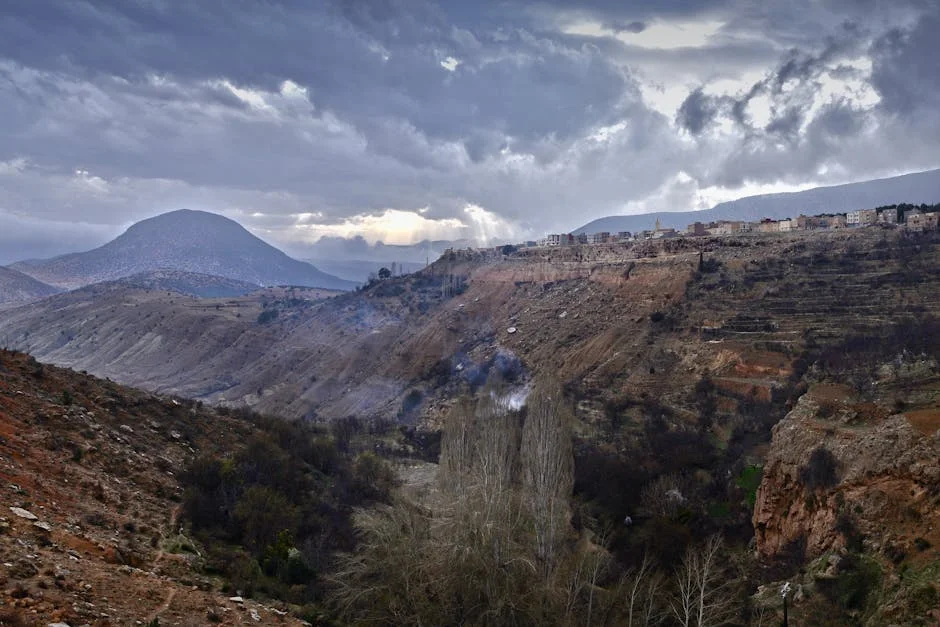
International observers note that the intensity of the fighting has displaced thousands of families in the southern districts. The humanitarian toll is rising quickly, placing immense pressure on already strained regional resources. African diplomats are closely monitoring these developments, recognizing that instability in the Levant rarely stays localized for long.
Implications for African Peacekeeping
African nations contribute significantly to United Nations peacekeeping missions, with several contingents stationed in neighboring Syria and Lebanon. The spillover of violence into Southern Lebanon threatens the safety of these troops and the efficacy of their mandates. This situation demands a urgent review of risk assessment protocols for African military personnel deployed in volatile zones.
Operational Challenges for Troops
The proximity of the conflict to UNIFIL bases creates immediate operational hazards for peacekeepers from countries like Ghana and Nigeria. Commanders are now adjusting patrol routes and fortifying positions to mitigate crossfire risks. These adjustments highlight the fragile nature of security in a region that African powers consider a key strategic partner.
The potential for refugee flows into North Africa also looms large. A sudden influx of displaced persons from Lebanon could strain resources in Egypt and Libya. African governments must prepare contingency plans to manage these demographic shifts without overwhelming their own social safety nets.
Economic Ripples Across the Continent
The economic implications of the Lebanon crisis extend far beyond the immediate region. African countries have significant financial exposure to the Middle East through remittances, trade, and foreign direct investment. Disruption in Lebanon affects supply chains that connect African exporters to European and Asian markets via Mediterranean ports.
Remittances from Lebanese diaspora workers form a crucial part of the GDP for several African nations. Economic instability in Beirut leads to delayed payments and reduced spending power among expatriates. This financial friction can slow down development projects funded by these inflows in home countries.
Trade routes through the Mediterranean are also facing uncertainty. Delays in port operations in Lebanon can cause bottlenecks for goods transiting to and from North Africa. African businesses must factor in these logistical hurdles when planning their supply chain strategies for the coming quarters.
Strategic Diplomacy for African Leaders
African Union leaders are leveraging this crisis to advocate for a more prominent role in Middle Eastern diplomacy. The continent’s experience with post-conflict reconstruction offers valuable insights for stabilizing the Levant. African ministers argue that their mediation skills can complement traditional diplomatic efforts led by European and American powers.
This diplomatic push aligns with the broader African development goal of enhancing continental agency on the global stage. By engaging directly with Lebanese and regional actors, African nations can secure better terms for future economic partnerships. It also provides an opportunity to showcase African military and diplomatic capabilities to a wider audience.
The crisis also tests the resilience of African foreign policy institutions. Ministries of Foreign Affairs across the continent are coordinating their responses to ensure a unified African stance. This coordination is essential for maximizing the continent’s bargaining power in international negotiations.
Looking Ahead
The African Union is scheduled to hold an emergency summit on Middle Eastern stability within the next two weeks. This gathering will determine the continent’s next strategic moves in response to the escalating violence. Stakeholders should watch for announcements regarding the deployment of additional peacekeeping resources or the launch of a dedicated mediation task force.
See Also
- Six African Nations Back South Africa Against Israel At UN Court
- Telugu Duo Sentenced to 5 Years for H-1B Visa Fraud in US