Global deforestation rates have finally begun to decelerate, offering a glimmer of hope for continental conservation efforts. However, the looming threat of El Niño-driven fires poses a severe risk to these hard-won gains across the African continent. This dual dynamic presents a critical juncture for African nations striving to balance ecological preservation with rapid economic development.
The Fragile State of Global Forest Cover
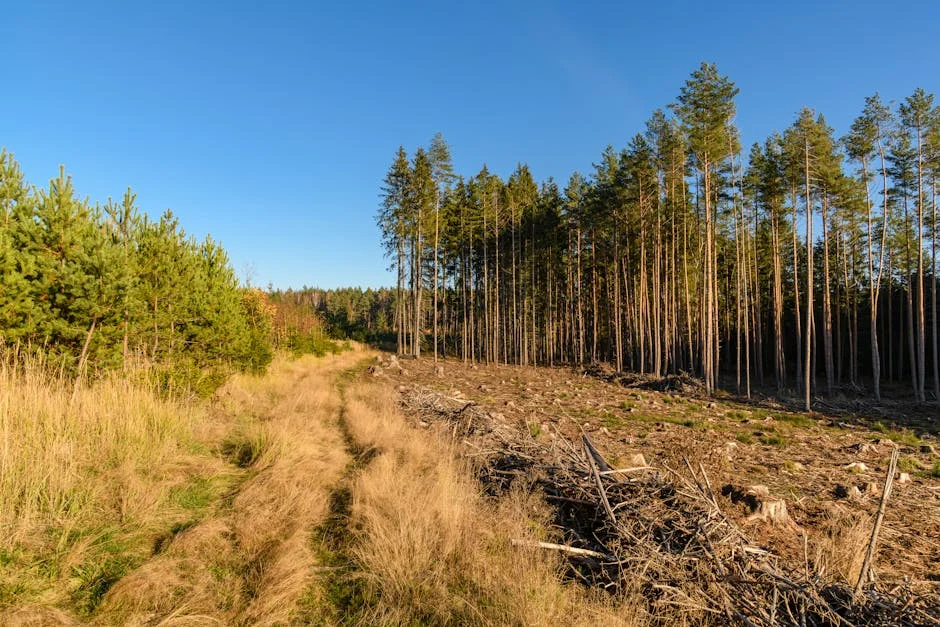
Recent data indicates that the annual rate of global forest loss has slowed by approximately 5% over the last decade. This decline is largely attributed to improved land-use policies in the Amazon Basin and Southeast Asia. Yet, this progress remains fragile and highly susceptible to climatic shocks. The current El Niño phenomenon is already exacerbating dry conditions in key tropical regions, turning forests into tinderboxes.
For African countries, this global trend is both a model and a warning. Many African nations have implemented robust reforestation projects, such as the Great Green Wall initiative in the Sahel. These projects rely heavily on stable climatic patterns to ensure seedling survival and soil retention. When extreme weather events disrupt these patterns, years of planting and governance can vanish in weeks. The economic implications are profound, as forest-dependent communities face immediate income loss and long-term food insecurity.
El Niño’s Direct Impact on African Ecosystems
El Niño typically brings hotter and drier conditions to much of southern and eastern Africa. In regions like the Congo Basin, the world’s second-largest tropical rainforest, reduced rainfall increases the frequency and intensity of wildfires. These fires release massive amounts of stored carbon, effectively turning a carbon sink into a carbon source. This shift undermines international climate finance mechanisms that African nations depend on for infrastructure development.
The consequences extend beyond carbon metrics. Biodiversity loss accelerates as specialized species struggle to adapt to rapid temperature fluctuations. In Kenya and Tanzania, wildlife corridors are increasingly fragmented by fire scars, threatening the tourism industry that funds local schools and hospitals. The destruction of forest cover also disrupts local hydrological cycles, leading to more erratic rainfall patterns that complicate agricultural planning. Smallholder farmers, who constitute the backbone of the continent’s agricultural sector, find themselves battling unpredictable seasons and shrinking arable land.
Regional Vulnerabilities and Economic Stakes
Not all African regions are affected equally. Southern Africa, including countries like South Africa and Mozambique, faces acute water stress during El Niño years. This stress forces governments to divert funds from long-term development goals to immediate crisis management. For instance, water rationing in Cape Town during previous El Niño events required billions of rands in infrastructure upgrades. Such expenditures often crowd out investments in education and healthcare, slowing overall human capital development.
Meanwhile, West Africa experiences different challenges. While some parts see increased rainfall, others suffer from prolonged droughts that affect the Sahel region. The interplay between forest loss and desertification creates a feedback loop that is difficult to break. Communities in Niger and Chad, for example, rely on both forest products and rain-fed agriculture. When both systems are stressed simultaneously, migration patterns shift, putting pressure on urban centers like Lagos and Accra. This urban influx strains housing, sanitation, and transportation infrastructure, creating new governance challenges for city planners.
Linking Forest Health to African Development Goals
African development goals are deeply intertwined with environmental stability. The African Union’s Agenda 2063 emphasizes sustainable growth, which cannot be achieved without healthy ecosystems. Forests provide essential ecosystem services, including water purification, soil erosion control, and climate regulation. When these services degrade, the cost of providing them through man-made infrastructure rises sharply. For developing economies with limited fiscal space, this represents a significant drag on GDP growth.
Moreover, forest conservation is a key component of the continent’s strategy to attract green investment. International donors and private investors are increasingly looking at Environmental, Social, and Governance (ESG) criteria when allocating capital. Countries with strong forest management records are better positioned to secure loans for renewable energy projects and digital infrastructure. Conversely, nations struggling with unchecked deforestation may face higher borrowing costs and reduced foreign direct investment. This financial reality forces African governments to prioritize forest protection not just as an ecological imperative but as an economic necessity.
Strategic Responses and Continental Opportunities
African leaders are responding with a mix of traditional knowledge and modern technology. Satellite monitoring systems are being deployed to detect hotspots in real-time, allowing for faster fire response. Countries like Ghana and Cameroon are integrating forest management into their national budget frameworks, ensuring consistent funding for conservation agencies. Additionally, regional cooperation is strengthening, with the African Development Bank playing a pivotal role in financing cross-border conservation projects.
There is also a growing emphasis on community-led conservation. Indigenous communities, who have managed forests for centuries, are being empowered with land tenure rights and financial incentives. This approach not only improves forest health but also reduces rural poverty. By linking forest products to global markets, African nations can create value chains that benefit local populations. For example, sustainable timber and non-timber forest products like shea butter and cocoa can generate export revenue while preserving canopy cover.
What Lies Ahead for Africa’s Forests
The coming months will be critical in determining whether global forest loss continues to slow or accelerates due to El Niño. African nations must remain vigilant and adaptive, ready to deploy resources where they are most needed. The success of current conservation efforts will depend on sustained political will, effective governance, and continued international support. Investors and policymakers should watch for updates on the African Forest Landscape Restoration Initiative, which aims to restore 100 million hectares of degraded land by 2030.
As the El Niño cycle intensifies, the continent’s ability to mitigate its impacts will serve as a test case for global climate resilience. The outcomes will influence not only Africa’s economic trajectory but also its role in the broader global climate narrative. Stakeholders should monitor the upcoming African Climate Summit for new policy announcements and funding commitments. The decisions made there will shape the future of African forests and the millions of people who depend on them.
Frequently Asked Questions
What is the latest news about global forest loss slows but el niño fires threaten africas progress?
Global deforestation rates have finally begun to decelerate, offering a glimmer of hope for continental conservation efforts.
Why does this matter for economy-business?
This dual dynamic presents a critical juncture for African nations striving to balance ecological preservation with rapid economic development.
What are the key facts about global forest loss slows but el niño fires threaten africas progress?
This decline is largely attributed to improved land-use policies in the Amazon Basin and Southeast Asia.