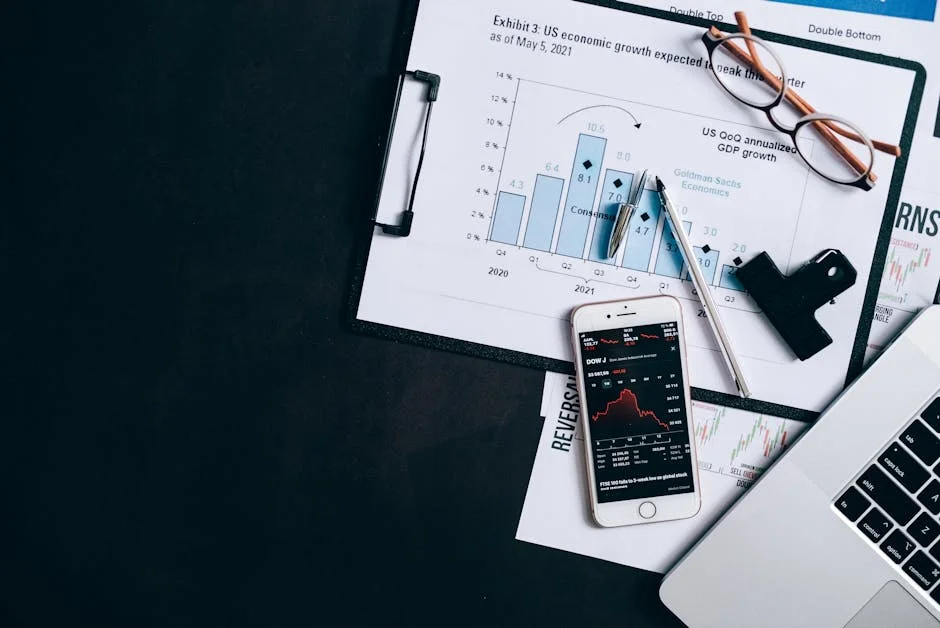
The escalation of military tensions in the Middle East sends immediate ripples through global financial markets, directly impacting African economies that rely heavily on imported energy and foreign direct investment. Nigeria and other key continental players face rising costs for fuel and machinery, threatening to stall critical infrastructure projects. This crisis exposes the fragility of African supply chains and the urgent need for diversified energy sources.
Global Energy Markets React to Middle East Tensions
Oil prices surged sharply as traders priced in the risk of supply disruptions from key Persian Gulf producers. The conflict has forced international buyers to secure reserves quickly, driving up the benchmark Brent crude price. This volatility creates immediate pressure on import-dependent nations across the continent.
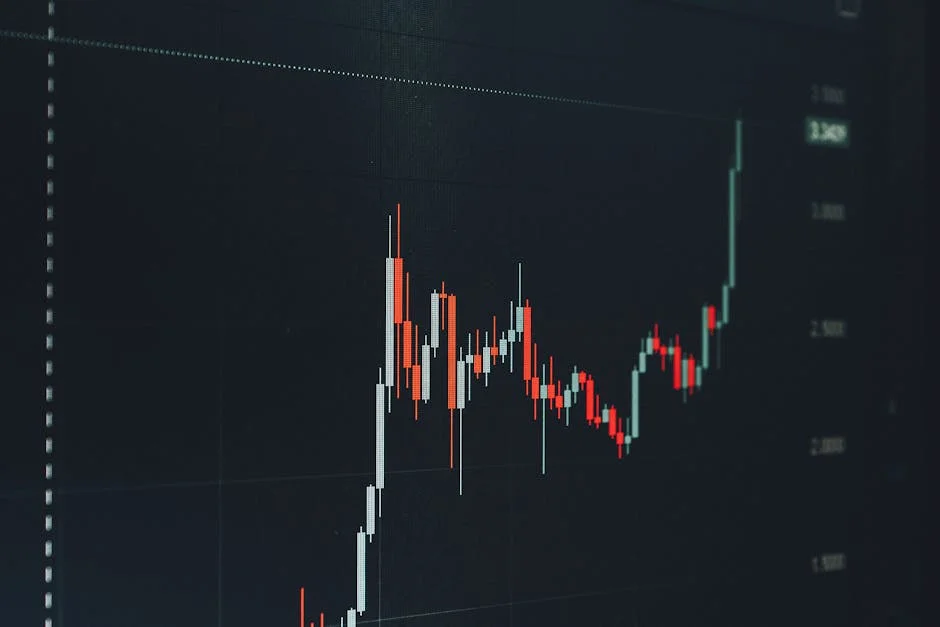
African countries that have not yet achieved energy self-sufficiency find themselves vulnerable to these external shocks. Nigeria, despite being a major oil exporter, still imports refined petroleum products due to domestic refinery challenges. The global price hike therefore translates directly into higher pump prices for consumers in Lagos and Abuja.
Impact on Nigerian Import Bills
The Nigerian National Petroleum Company faces increased costs for importing diesel and petrol, which are essential for transportation and industrial activity. These costs are often passed on to the consumer through subsidies or direct price adjustments at the pump. The Central Bank of Nigeria must now manage inflationary pressures that stem from these external energy costs.
For small and medium enterprises in Nigeria, higher transport costs mean reduced profit margins. Logistics companies in major hubs like Port Harcourt report that fuel expenses have eaten into their weekly revenue. This squeeze on business profitability can lead to job losses if the trend continues for several months.
African Development Goals Face New Headwinds
The African Union’s Agenda 2063 emphasizes economic integration and infrastructure development as key pillars for continental growth. However, external shocks like the Iran conflict threaten to delay these ambitious targets. Infrastructure projects require stable prices for steel, cement, and energy, all of which are sensitive to global market fluctuations.
Investors are becoming more cautious about deploying capital into African markets when geopolitical risks are high. Foreign direct investment flows may slow down as global investors hedge against uncertainty. This reduction in capital inflow can slow down the pace of development in sectors like renewable energy and digital infrastructure.
Continental challenges such as food security and healthcare access are also affected. Higher energy costs increase the price of agricultural inputs and medical supplies. Countries that rely on food imports from the Middle East or Europe may see their food inflation rates climb, affecting the purchasing power of the average citizen.
Opportunities for Continental Economic Resilience
Despite the challenges, the crisis highlights opportunities for African nations to accelerate their economic diversification strategies. The push for renewable energy becomes more urgent as solar and wind power offer stable, locally sourced energy alternatives. Countries like Kenya and Morocco are already leading the way in harnessing solar power to reduce dependence on fossil fuels.
The African Continental Free Trade Area (AfCFTA) can help mitigate the impact by boosting intra-African trade. By sourcing goods and services from neighboring countries, nations can reduce their reliance on distant suppliers. This regional integration can create a more resilient economic bloc that is less susceptible to external geopolitical shocks.
Governance and policy coordination become critical in this context. African leaders must work together to create a unified response to global market volatility. This includes establishing strategic petroleum reserves and coordinating fiscal policies to manage inflation. Stronger regional cooperation can enhance the continent’s bargaining power in global markets.
Financial Markets and Currency Volatility
Currency markets in Africa are reacting to the uncertainty, with the Nigerian Naira and other major currencies facing pressure against the US Dollar. The Federal Reserve’s response to global inflation will also influence capital flows into emerging markets. Investors are closely watching for signals on interest rate adjustments that could affect borrowing costs for African governments.
The Bank of England and other central banks are monitoring the situation to assess its impact on global liquidity. Their decisions can have spillover effects on African economies through trade and investment channels. Understanding these global financial dynamics is crucial for African policymakers to navigate the current economic landscape.
For individual investors and businesses, hedging strategies become important. Diversifying assets and securing long-term contracts can help mitigate the risks associated with currency fluctuations. Financial institutions in Nigeria are advising clients to review their portfolios in light of the changing global economic environment.
Looking Ahead: Strategic Responses Needed
The path forward requires a combination of short-term mitigation measures and long-term structural reforms. African nations must accelerate the implementation of renewable energy projects to reduce their vulnerability to oil price shocks. This transition will not only stabilize energy costs but also create new jobs and industries across the continent.
Policy makers should focus on strengthening social safety nets to protect the most vulnerable populations from rising living costs. Targeted subsidies and cash transfer programs can help alleviate the immediate burden on households. These measures need to be carefully designed to ensure fiscal sustainability in the medium term.
Watch for the next meeting of the African Union’s Economic, Social and Cultural Council, where leaders are expected to discuss coordinated responses to the global economic shock. The decisions made in the coming months will shape the continent’s economic trajectory and determine how quickly African nations can recover from this crisis.
See Also
- Diezani Alison Confronts Tycoons Over Bribery Allegations in Court
- Ghana Enacts Sweeping Anti-LGBTQ Law — Implications for National Rights and Development
The African Continental Free Trade Area (AfCFTA) can help mitigate the impact by boosting intra-African trade. Financial Markets and Currency Volatility Currency markets in Africa are reacting to the uncertainty, with the Nigerian Naira and other major currencies facing pressure against the US Dollar.
What is the latest news about iran war shocks global markets what nigeria must watch now?
Why does this matter for politics-governance?
What are the key facts about iran war shocks global markets what nigeria must watch now?