The Colorado state legislature has voted down the proposed Anti-Repair Bill, which aimed to restrict consumers' ability to repair their own electronic devices. This decision comes after sustained lobbying from tech manufacturers and consumer rights advocates. It marks a significant win for the Right to Repair movement, which seeks to empower consumers by ensuring access to repair tools and information.
Implications for the Tech Industry
The failure of the bill represents a triumph for consumer advocacy groups who argue that restrictive repair policies increase electronic waste and limit consumer choice. Tech manufacturers, who had supported the bill, claimed it was necessary to maintain the integrity and security of their devices. This debate highlights the broader clash between consumer rights and corporate interests within the global tech industry.
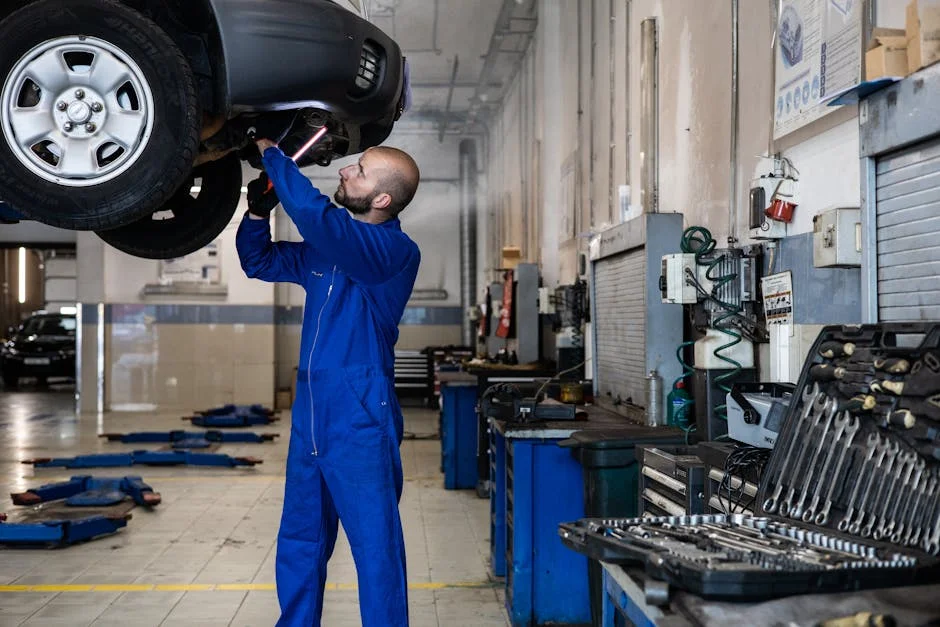
In Colorado, tech companies such as Apple and Samsung opposed the bill's rejection. They argued it could lead to unauthorized modifications and potential safety hazards. However, proponents of the Right to Repair argue that it will foster innovation and competition by allowing third-party repair services to flourish.
African Development and Policy Implications
The decision in Colorado poses broader questions about similar legislation worldwide, including in Africa. Many African countries face challenges related to electronic waste management and economic sustainability. Adopting repair-friendly policies could align with development goals by reducing waste and creating new economic opportunities.
As African nations seek to advance their tech industries, the Right to Repair movement could prove beneficial. It would not only support local businesses but also encourage environmentally sustainable practices, contributing to broader development objectives.
Lessons for Nigeria and Other African Nations
Nigeria, as a leading African economy, can draw lessons from Colorado's decision. Implementing similar consumer-friendly laws could enhance economic growth by promoting local repair businesses and reducing dependency on imports. Moreover, it could help address environmental concerns associated with e-waste.
Emphasizing the importance of consumer rights and tech policy reform can lead to more resilient and self-sufficient economies across the continent. African leaders may consider these implications as they formulate policies that balance technological advancement with sustainable practices.
Future Developments to Watch
The rejection of the Anti-Repair Bill in Colorado could influence legislative approaches in other states and countries. As governments worldwide reassess their tech policies, the debate surrounding consumer rights and corporate responsibilities will likely intensify.
For African nations, the next steps may involve evaluating existing policies and engaging with stakeholders to create a framework that supports innovation while protecting consumer interests. As the global conversation on the Right to Repair continues, Africa has an opportunity to lead by example in fostering sustainable and inclusive tech environments.
See Also
- Portugal Activates Civil Protection Mechanism to Repatriate Citizens: What It Means for Nigeria
- Kaizer Chiefs surge into Top 3 as Lilepo and Vilakazi shine