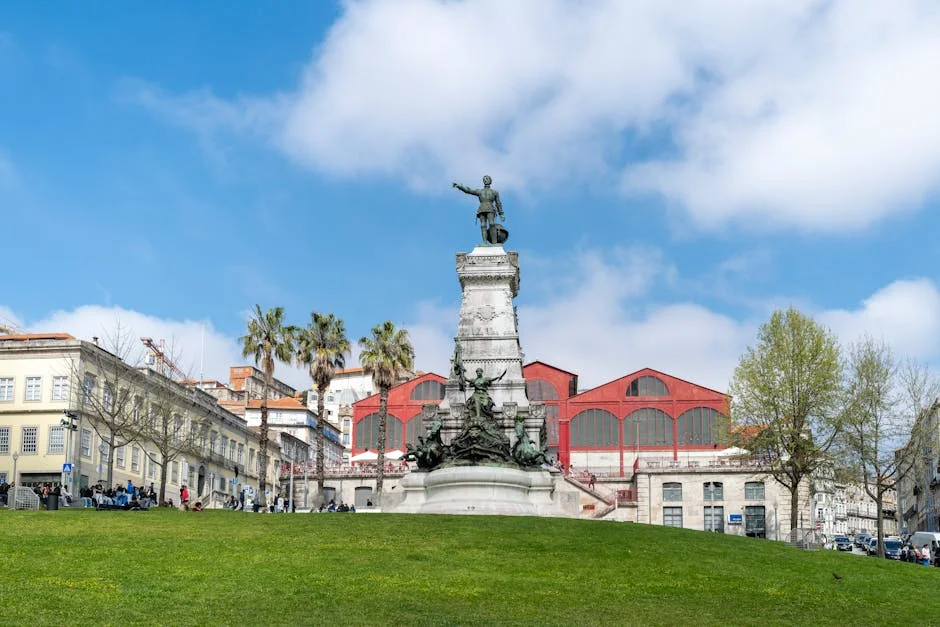
Portugal experienced a major power outage this week, igniting a debate on the country's energy sovereignty. The blackout, which impacted over 500,000 residents, was a stark reminder of the vulnerabilities in Portugal's energy infrastructure. The incident occurred on Monday, October 16, affecting both urban and rural areas, including Lisbon, the capital city.
Impact on Portugal and Spain
The blackout stretched across the Iberian Peninsula, briefly affecting parts of Spain as well. The outage lasted several hours, disrupting daily life and economic activities. In Lisbon, businesses faced interruptions, while public transportation systems were brought to a halt, showcasing the widespread impact of energy grid failures.
Utility company EDP, Portugal's largest electricity provider, attributed the blackout to a technical failure in the grid. Miguel Stilwell de Andrade, CEO of EDP, stated, "We are currently investigating the root cause, but preliminary reports suggest an overload in the transmission line."
Energy Sovereignty and Development Goals
This incident has sparked renewed discussions about energy sovereignty in Portugal. As the global demand for sustainable energy sources increases, African nations can learn from Portugal's challenges in diversifying energy sources and improving grid resilience.
African countries, rich in natural resources, have the opportunity to harness solar and wind power to build robust energy infrastructures. By investing in renewable energy, African nations can work towards achieving the African Union's Agenda 2063, which emphasizes sustainable growth and energy security.
Continental Opportunities for Energy Independence
For Africa, the quest for energy independence is crucial. Countries like Nigeria and South Africa are already investing in solar and wind projects aimed at reducing reliance on fossil fuels. This transition not only mitigates risks associated with energy outages but also aligns with global environmental goals.
Moreover, regional cooperation is essential. The African Continental Free Trade Area (AfCFTA) provides a platform for collaborative energy projects that can enhance interconnectivity and reduce power shortages across the continent.
Looking Forward: The Path to Energy Resilience
The Portuguese blackout serves as a cautionary tale for nations worldwide. It underscores the necessity for robust energy policies that prioritize infrastructure resilience and sustainability. African countries, with their resource potential, are well-positioned to lead in renewable energy deployment.
As Portugal works to address its grid issues, African leaders should focus on long-term strategies for energy diversification. Upcoming regional energy summits will be crucial in shaping policies that promote both energy independence and continental collaboration. Observers will be watching how Portugal resolves its current challenges, providing lessons for Africa and beyond.
See Also
- Flight Disruptions Hit Indian Travel Amid West Asia Conflict: What It Means for Nigeria
- Portugal's Housing Market Surges: Implications for African Development Goals
Countries like Nigeria and South Africa are already investing in solar and wind projects aimed at reducing reliance on fossil fuels. This transition not only mitigates risks associated with energy outages but also aligns with global environmental goals.Moreover, regional cooperation is essential.