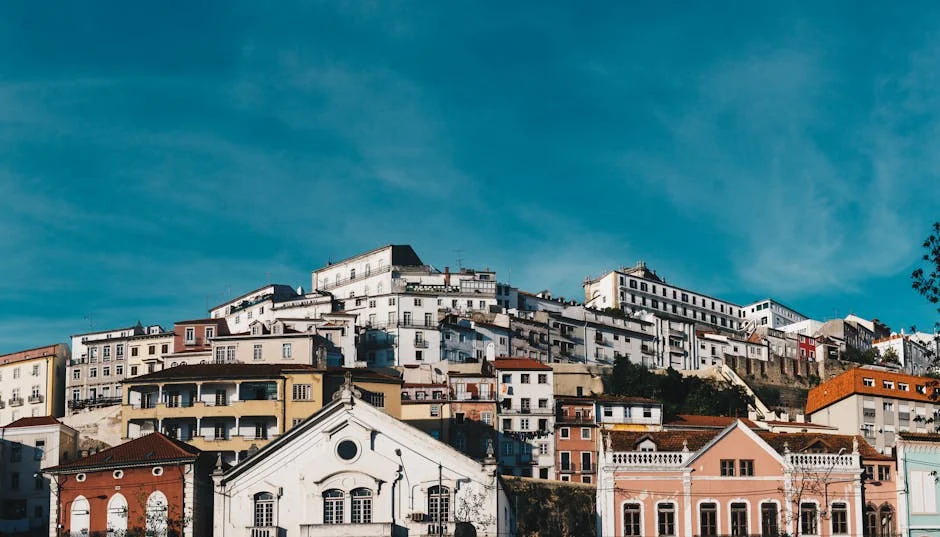
Portuguese Minister for the Environment, João Aguiar-Branco, has called for urgent action following severe storms that battered the central region of Leiria, leaving at least 12 people injured and hundreds of homes damaged. The storms, which struck on 14 October, caused widespread flooding and disrupted power supplies in several municipalities. Aguiar-Branco emphasized that the government must act swiftly to prevent future disasters and improve emergency response systems.
Leiria's Crisis Deepens as Recovery Begins
Leiria, a city in central Portugal, has faced multiple natural disasters in recent years, but the latest storms have intensified concerns over climate resilience. The region, known for its historic architecture and agricultural output, now faces a daunting recovery process. According to local authorities, over 300 homes were affected, with 40% of them experiencing structural damage. The damage has sparked a debate on the need for better urban planning and disaster preparedness.
The Minister for the Environment, Aguiar-Branco, addressed the situation at a press conference, stating, “This is the moment of action.” He highlighted the need for immediate investment in flood barriers and drainage systems, particularly in low-lying areas. “We cannot afford to wait for the next disaster,” he said. The government has pledged €5 million in emergency funds, with plans to distribute aid to affected families and businesses.
Regional Impact and Calls for National Strategy
The storms have not only affected Leiria but also neighboring regions such as Coimbra and Santarém, where similar flooding was reported. The National Meteorological Institute warned that the region is at higher risk due to changing weather patterns linked to climate change. In response, environmental groups have urged the government to adopt a more proactive approach to climate adaptation.
Local leaders in Leiria have also called for a national strategy to address recurring natural disasters. “We need a coordinated response that goes beyond emergency aid,” said Maria Ferreira, a councilor from Leiria. “Investing in sustainable infrastructure is the only way to protect our communities.” The regional assembly has approved a motion to push for stronger national policies on climate resilience.
Experts say the situation in Leiria reflects a broader challenge facing Portugal and other European nations. “The frequency and intensity of extreme weather events are increasing,” said Dr. Luis Mendes, a climate scientist at the University of Lisbon. “Without long-term planning, we will continue to see devastating consequences.”
Opportunities for Climate-Resilient Development
The crisis in Leiria has also opened a dialogue on how to integrate climate resilience into national development goals. The European Union has offered funding for green infrastructure projects, which could support efforts to build more sustainable cities. Portugal’s national development plan for 2023–2027 includes a commitment to reducing climate vulnerability in high-risk areas.
Aguiar-Branco’s call for action aligns with the United Nations Sustainable Development Goals (SDGs), particularly Goal 11, which focuses on making cities and human settlements inclusive, safe, resilient, and sustainable. The minister has also emphasized the importance of community engagement in disaster risk reduction. “We need to empower local populations to take part in decision-making,” he said.
Infrastructure and Governance Challenges
One of the key challenges in Leiria is the aging infrastructure that struggles to cope with extreme weather. The city’s drainage systems, built decades ago, are unable to handle the increased rainfall caused by climate change. This has led to calls for modernization and investment in green infrastructure, such as permeable pavements and wetlands restoration.
Governance has also come under scrutiny. Local officials have been criticized for slow response times and inadequate communication during the crisis. The national government has promised to streamline disaster management protocols, including better coordination between local and national authorities.
What Comes Next for Leiria and Portugal?
As the recovery efforts continue, the focus is turning to long-term solutions. The government has set a deadline of December 2023 for the implementation of new flood mitigation projects in Leiria. Meanwhile, environmental organizations are pushing for a national climate resilience strategy that includes regular risk assessments and public awareness campaigns.
For now, the people of Leiria remain on high alert. With the rainy season approaching, the need for preparedness is more urgent than ever. As Aguiar-Branco said, “This is the moment of action.” The coming months will determine whether Portugal can transform its response to climate disasters into a model for sustainable development across the continent.
See Also
- UK's Ambitious Move to Join 'Made in Europe' Strategy Raises Questions
- Como Reveals Cost of Living Comparison: What It Means for Nigeria
What is the latest news about aguiarbranco vows action after leiria storms hit portugal?
Why does this matter for economy-business?
What are the key facts about aguiarbranco vows action after leiria storms hit portugal?