South Korea has launched an intensive search for an escaped wolf, using howl recordings and artificial intelligence to track the animal across the rugged terrain of Neukgu. The wolf, believed to have broken free from a wildlife sanctuary in the country’s north, has sparked a nationwide alert, with authorities warning of potential threats to livestock and local communities. The search, which began two weeks ago, highlights the growing intersection between technology and conservation efforts in the region.
Howl Recordings and AI Help Track the Wolf
Officials from the Ministry of Environment deployed acoustic sensors across Neukgu to capture the distinct howls of the escaped wolf. These recordings were then fed into an AI system designed to identify and map the animal’s movements in real time. The technology, developed by a local tech firm, has previously been used in wildlife monitoring projects across South Korea. “This is the first time we’ve used AI for a live tracking operation,” said Dr. Lee Min-jun, a wildlife biologist at the Korea National Institute of Ecology. “It’s a game-changer for conservation.”
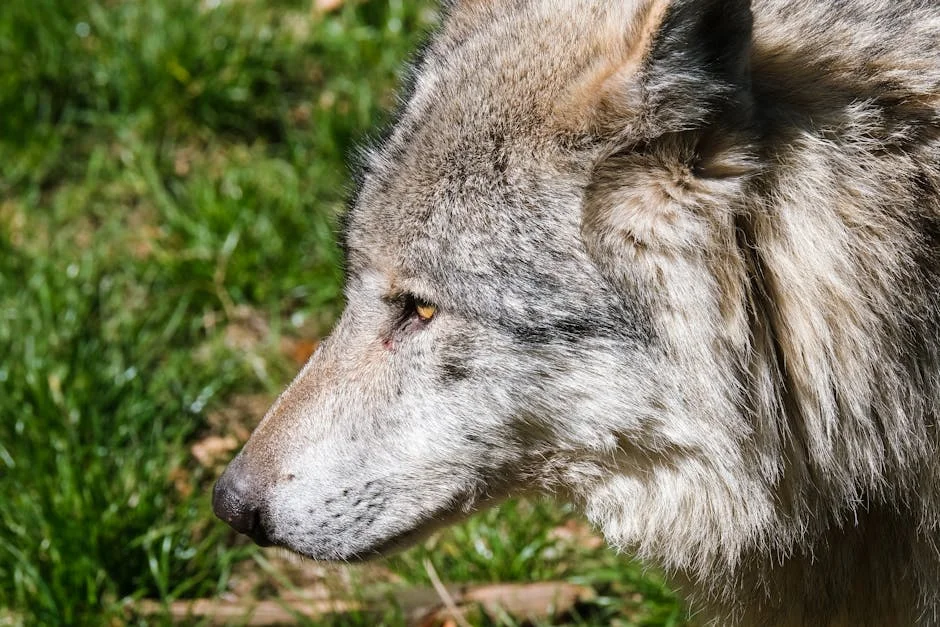
The AI analysis revealed that the wolf had traveled over 40 kilometers since its escape, crossing multiple rivers and dense forest areas. Local farmers in Neukgu have reported sightings of the animal near their fields, prompting the government to issue a public advisory. “We’re urging residents to stay cautious and report any sightings immediately,” said a spokesperson for the National Park Service.
Historical Context and Conservation Efforts
The presence of wolves in South Korea is a rare and symbolic event. Once common in the region, wolf populations declined sharply in the 20th century due to habitat loss and hunting. Conservationists have been working to reintroduce the species in controlled environments, with the recent escape highlighting both the progress and the challenges of such efforts. “This incident shows how fragile these ecosystems are,” said Park Soo-jin, a conservationist with the Korean Wildlife Association. “We must ensure that reintroduction programs are carefully managed.”
Neukgu, located in the northern part of the country, has been a key area for wildlife preservation. The region, known for its dense forests and diverse ecosystems, is part of a larger effort to restore native species. The escape of the wolf has reignited discussions about the need for stronger safeguards in wildlife sanctuaries. “This is a wake-up call,” said Park. “We can’t afford to let these animals slip through the cracks.”
Impact on Local Communities and Economy
The search for the wolf has had a ripple effect on local communities, particularly farmers in Neukgu. With the animal reported near livestock areas, many farmers have taken extra precautions, including reinforcing fences and using deterrents. “It’s a big concern for us,” said Kim Young-ho, a farmer in the region. “We rely on our livestock for our livelihood, and we don’t want to lose anything.”
The incident has also drawn attention from the tourism sector. Neukgu, which is popular for its natural beauty, has seen a slight dip in visitor numbers due to the heightened security. However, some local businesses see the story as an opportunity to promote eco-tourism. “This is a chance to highlight our natural heritage,” said Lee Hye-jin, a tour operator. “People are fascinated by wildlife, and this could bring more attention to our region.”
Broader Implications for Conservation and Technology
The use of AI in tracking the wolf reflects a broader trend in conservation technology. Across Africa, similar initiatives are being explored to monitor wildlife and combat poaching. In Kenya, for example, AI-powered camera traps have been used to track elephant movements, while in Botswana, drones are being deployed to protect rhinos. “Technology is playing a crucial role in conservation,” said Dr. Amina Ndiaye, a conservation scientist based in Senegal. “It’s a model that can be adapted across the continent.”
The case in South Korea also raises questions about the balance between technology and nature. While AI offers powerful tools for monitoring wildlife, it also raises concerns about privacy and the ethics of surveillance. “We must ensure that these technologies are used responsibly,” said Dr. Ndiaye. “They should serve the environment, not compromise it.”
What to Watch Next
The search for the escaped wolf is expected to continue for at least another week, with authorities planning to expand the use of drones and additional AI monitoring. If the animal is not found, officials may consider a controlled capture operation. Meanwhile, conservationists are pushing for long-term solutions to prevent similar incidents. “This is a moment to reflect on how we manage wildlife,” said Park Soo-jin. “We need a more sustainable approach.”
As the hunt continues, the story of the escaped wolf serves as a reminder of the delicate balance between human activity and nature. For South Korea, it is a test of its conservation efforts and technological capabilities. For the wider world, it is a glimpse into the future of wildlife management—a future where technology and nature must work in harmony.
See Also
- Epic Games Cuts 1,000 Jobs Amid Global Tech Sector Downturn
- António Lobo Antunes Reflects on Life and Literature: Insights for African Development
“People are fascinated by wildlife, and this could bring more attention to our region.” Broader Implications for Conservation and Technology The use of AI in tracking the wolf reflects a broader trend in conservation technology. “It’s a big concern for us,” said Kim Young-ho, a farmer in the region.