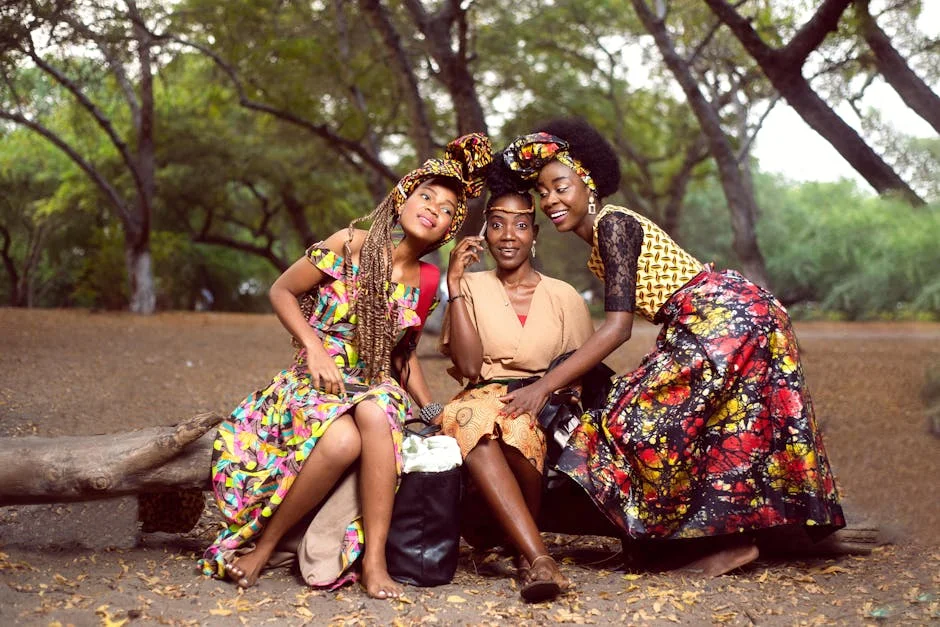
Women teachers in Lagos have taken to the stage at the State Education Conference to demand better pay and improved working conditions, highlighting long-standing disparities in the education sector. The conference, held in the heart of Nigeria’s economic capital, saw over 500 educators from across the state voice their concerns, with a 15% pay increase cited as a key demand. The National Union of Women Teachers (NUWT), a leading advocacy group, said the move reflects a growing push for gender equity in public service roles.
Key Demands from the Conference
The conference, organised by the Lagos State Ministry of Education, brought together educators, union representatives, and policymakers to discuss pressing issues in the sector. Women teachers, who make up nearly 60% of the teaching workforce in Lagos, raised concerns about unequal pay, lack of career advancement, and poor workplace safety. According to a 2023 report by the Lagos State Education Quality Assurance Board, female teachers earn on average 22% less than their male counterparts, a gap that has persisted for over a decade.
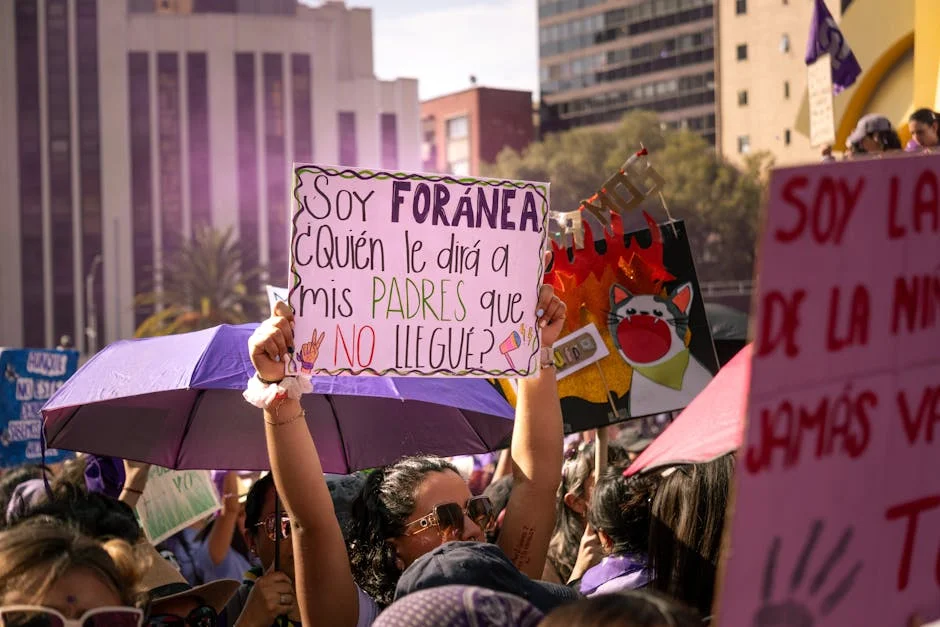
“We are not asking for special treatment, just fairness,” said Amina Hassan, a senior English teacher at Lagos Secondary School and a member of the NUWT. “If we are doing the same job, we should be paid the same. This is not just about money — it’s about respect and recognition.” Her remarks were met with loud applause from the audience, many of whom shared similar frustrations.
Gender Disparities in Education and Development
The demands from women teachers align with broader African development goals, particularly the United Nations Sustainable Development Goal 4, which focuses on quality education for all. In Nigeria, where education is a cornerstone of economic and social progress, gender disparities in the workforce remain a significant barrier to national development. A 2022 World Bank report noted that closing the gender gap in education and employment could boost Nigeria’s GDP by up to 25% over the next decade.
Experts say that addressing these inequalities is not just a moral imperative but also an economic one. “When women are paid fairly and given equal opportunities, it benefits the entire education system,” said Dr. Chidi Okoro, a policy analyst at the African Development Institute. “It leads to better student outcomes, higher teacher retention, and more stable communities.”
Workplace Safety and Professional Growth
Beyond pay, women teachers also highlighted issues related to workplace safety and professional development. Many cited instances of harassment and lack of support for career advancement. “We are expected to do the same work as men, but we don’t have the same opportunities to move up,” said Grace Okafor, a biology teacher from Ikeja. “This needs to change.”
The conference also saw calls for more mentorship programs and leadership training for women in education. The Lagos State Education Council has pledged to review its policies on gender equity, with a report expected by the end of the year. “We are listening,” said Education Commissioner Bola Adeyemi. “We want to ensure that every teacher, regardless of gender, has the support they need to succeed.”
Implications for National Development
The actions of women teachers in Lagos reflect a larger movement across Africa, where gender equality in education and the workforce is increasingly seen as a driver of national progress. In Kenya, for example, a 2021 policy reform aimed at closing the gender pay gap in public schools led to a 12% increase in female teacher retention. Similar efforts in South Africa and Ghana have also shown positive results.
For Nigeria, the push for fair pay and better conditions for women teachers could have a ripple effect on the country’s development trajectory. Improved teacher morale and retention can lead to better student performance, which in turn supports long-term economic growth. “This is not just about one group of workers,” said Dr. Okoro. “It’s about the future of education and the future of the country.”
What Comes Next?
With the Lagos State Education Council set to release its findings on gender equity by the end of the year, the next few months will be critical for women teachers across the state. The NUWT has already announced plans for a nationwide campaign to raise awareness about pay disparities and workplace safety. “We won’t stop until we see real change,” said Amina Hassan. “This is just the beginning.”
As the conference concluded, the message from women teachers was clear: fairness, respect, and opportunity are not just rights — they are essential for the future of education in Nigeria and across Africa. Readers should watch for updates from the Lagos State Education Council and the NUWT’s upcoming national campaign, which is expected to gain momentum in the coming months.
See Also
- French Deputies Approve Assisted Dying Law: Implications for Africa
- India's FMCG Growth Slows in December: What It Means for Nigeria's Economy
“We want to ensure that every teacher, regardless of gender, has the support they need to succeed.” Implications for National Development The actions of women teachers in Lagos reflect a larger movement across Africa, where gender equality in education and the workforce is increasingly seen as a driver of national progress. With the Lagos State Education Council set to release its findings on gender equity by the end of the year, the next few months will be critical for women teachers across the state.