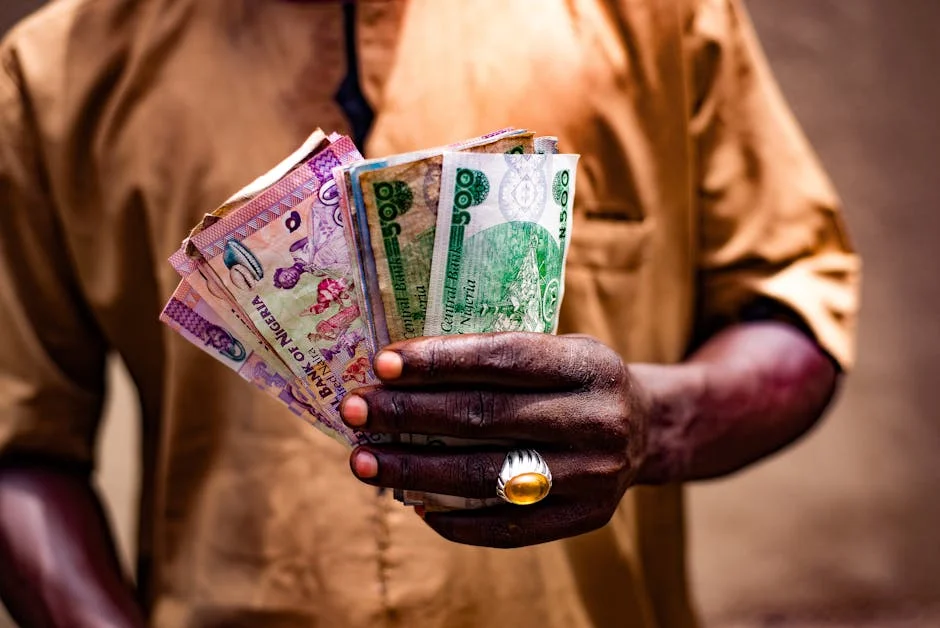
Kaduna, Nigeria’s economic heartland, is now a stark example of why the nation’s long-awaited reforms have failed to revive its struggling economy. Once a hub for manufacturing and trade, the city is now grappling with rising unemployment, stagnant wages, and a deepening crisis in public services. The failure of recent economic policies has left many questioning whether Nigeria can achieve its development goals, as outlined in the African Union’s Agenda 2063.
Reforms That Didn’t Deliver
The Nigerian government launched a series of economic reforms in 2021, including currency devaluation and price liberalisation, aimed at curbing inflation and boosting exports. However, in Kaduna, these measures have led to a sharp rise in the cost of living. A 2023 report by the National Bureau of Statistics showed that inflation in the state reached 22.4%, far above the national average of 18.5%. This has left households, especially in low-income areas, struggling to afford basic necessities.
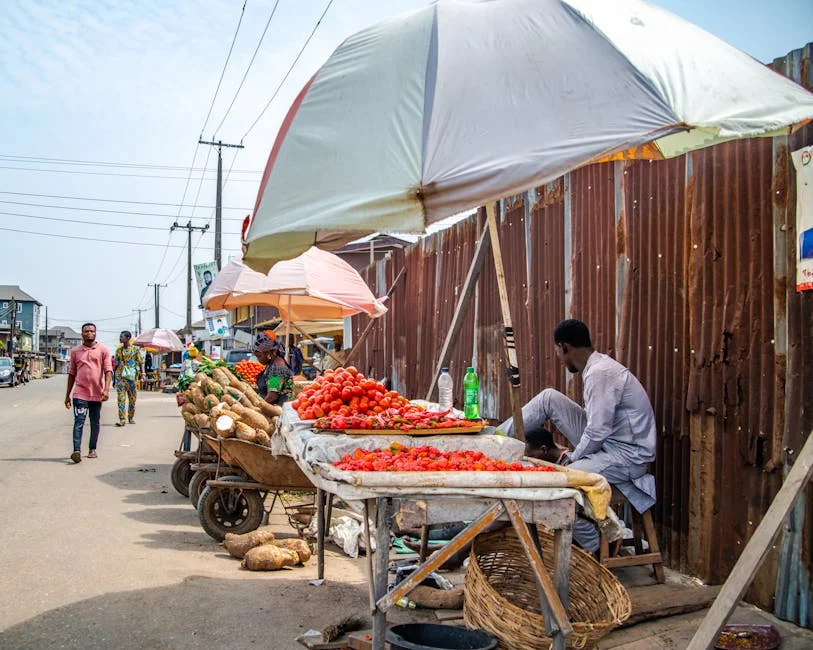
“The reforms were supposed to bring stability, but they’ve only made things worse,” said Aisha Musa, a local business owner in Kaduna’s main market. “Prices for food and fuel have gone up, and there’s no sign of relief.” Musa’s experience is echoed across the state, where many small businesses have closed due to rising operational costs. The Kaduna State Ministry of Economic Planning has acknowledged the challenges, but its efforts to provide targeted support have been limited.
Infrastructure and Governance Challenges
Infrastructure collapse has further worsened the situation. Kaduna’s roads, many of which were built decades ago, are in dire need of repair. A 2022 audit by the African Development Bank found that over 60% of the state’s roads are in poor condition, hindering trade and access to essential services. “Without proper infrastructure, even the best policies won’t work,” said Dr. Ibrahim Garba, an economist at the University of Kaduna.
Governance issues have also contributed to the crisis. Corruption and mismanagement have led to the inefficient use of public funds. In 2023, the state’s budget for public health and education was underutilised, with over 30% of allocated funds unspent. This has resulted in underfunded schools and hospitals, which in turn affect the long-term development of the region. “The people of Kaduna are paying the price for poor governance,” said local politician Abubakar Tafida.
Education and Health: The Hidden Costs
Education in Kaduna has suffered due to a lack of investment. A 2023 survey by the United Nations Children's Fund (UNICEF) found that over 40% of primary schools in the state lack basic facilities such as electricity and clean water. This has led to a decline in student enrolment, particularly among girls, who often face cultural and financial barriers to education.
Healthcare is also in crisis. The state’s main hospital, Kaduna State University Teaching Hospital, has been overwhelmed by a surge in patients. A recent report by the World Health Organisation highlighted a shortage of medical staff and essential drugs. “Without proper healthcare, the workforce cannot be productive,” said Dr. Zainab Adamu, a public health expert in Kaduna.
Opportunities for a New Path
Despite the challenges, there are signs of hope. Kaduna has the potential to become a model for economic recovery if the right policies are implemented. The state’s strategic location, between the north and south, makes it a key player in regional trade. A recent initiative by the African Development Bank, the Nigeria Regional Integration Project, aims to boost infrastructure and trade links in the region.
Local leaders are also calling for more transparency and accountability. A new governance reform bill, currently under review, seeks to improve budget allocation and public service delivery. “We need to rebuild trust between the government and the people,” said Kaduna State Governor Nasir el-Rufai. “Only then can we begin to address the deep-rooted issues affecting our economy.”
What’s Next for Kaduna and Nigeria?
The coming months will be crucial for Kaduna and Nigeria as a whole. The government is expected to release a new economic blueprint by the end of the year, which could include targeted interventions for states like Kaduna. Meanwhile, civil society groups are pushing for greater public participation in policy-making.
For now, the people of Kaduna remain on edge, hoping for a turnaround. As the African Union’s Agenda 2063 aims to transform the continent, Kaduna’s story serves as a reminder that progress requires more than policy changes—it demands real action, accountability, and a commitment to the people’s needs.
See Also
- Neste Launches Green Fuel Initiative in Lagos Amid Climate Push
- NUPRC Workers Threaten Nationwide Strike — Oil Sector Braces for Disruption