STCP, the public transport company in Lisbon, has awarded a 21.3 million euro contract to supply 50 articulated buses, marking a significant step in the city's efforts to modernise its public transport network. The move comes as part of broader infrastructure upgrades aimed at improving mobility and reducing congestion in one of Europe's most densely populated urban centres.
Investing in Urban Mobility
The contract, signed with a leading European bus manufacturer, will see the delivery of 50 new articulated buses over the next 18 months. These vehicles are designed to carry more passengers and operate more efficiently on high-demand routes, particularly in central Lisbon. The project is part of a larger investment plan by the Lisbon City Council to expand and improve public transport infrastructure.
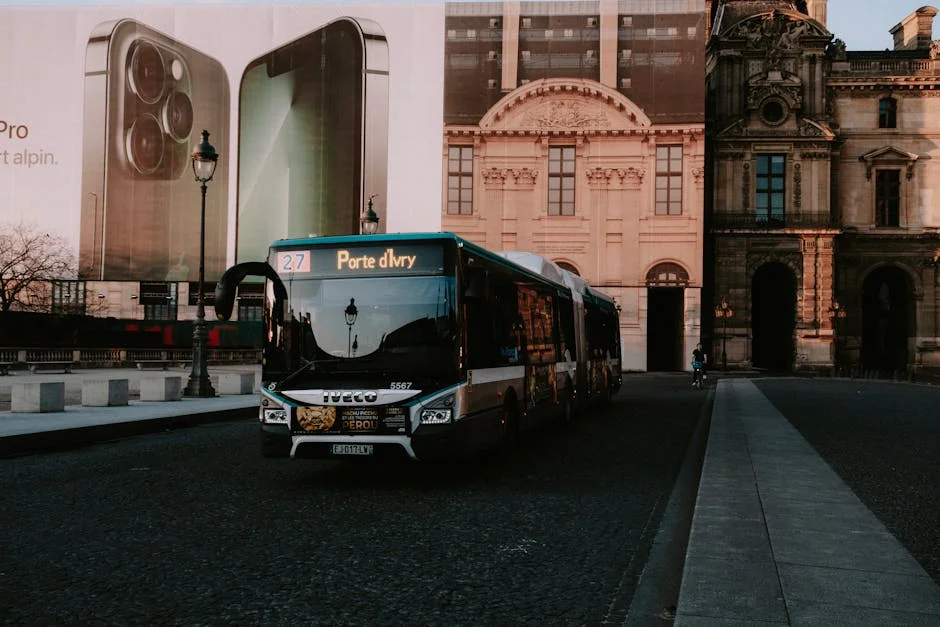
The initiative aligns with the European Union’s broader goals of promoting sustainable urban mobility and reducing carbon emissions. Lisbon, like many European cities, is facing growing pressure to decarbonise its transport systems and improve public transit options. The new buses are expected to be more energy-efficient and equipped with advanced technology to enhance the passenger experience.
Broader Implications for Urban Development
This development highlights the importance of infrastructure investment in driving urban growth and improving quality of life. In Lisbon, where traffic congestion and air pollution are persistent issues, the expansion of public transport is seen as a key solution. The project is also expected to create jobs and stimulate local economic activity, as the buses will be manufactured and maintained within the region.
The success of this initiative could serve as a model for other African cities looking to enhance their public transport systems. While Europe has made significant strides in modernising urban mobility, many African countries still face challenges in building reliable and efficient public transport networks. The lessons learned from Lisbon’s approach could be valuable for cities across the continent as they seek to meet the United Nations’ Sustainable Development Goals, particularly Goal 11 on sustainable cities and communities.
Challenges and Opportunities
Despite the progress, challenges remain. Funding for infrastructure projects in many African countries is often limited, and political instability can delay or derail development efforts. However, partnerships with international organisations and private sector players could offer new opportunities for investment and innovation.
Moreover, the integration of technology into public transport systems is becoming increasingly important. Lisbon’s new buses will feature real-time tracking and digital payment options, which could inspire similar upgrades in African cities. As mobile technology spreads across the continent, there is potential for more efficient and user-friendly transport solutions.
Looking Ahead
The first batch of articulated buses is expected to be delivered by mid-2025, with full implementation planned for the end of 2026. As Lisbon moves forward with its transport upgrades, the city’s experience could provide valuable insights for African urban centres striving to improve mobility and sustainability. What to watch next is how these developments influence broader policy discussions on infrastructure investment and urban planning across the continent.
See Also
- UAE Explores Freezing Iranian Assets: What It Means for Nigerian Development Goals
- Independent Candidate Challenges Political Norms in Haryana's Rajya Sabha Race: A Cliffhanger Ahead