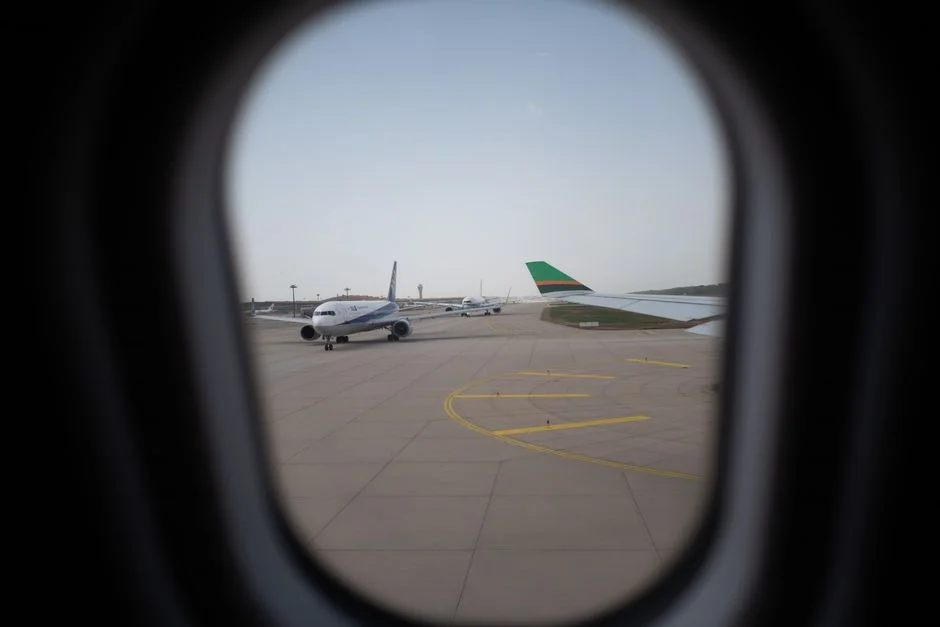
China’s travel sector faces a major disruption as a wave of flight cancellations hits Southeast Asia, with Singapore routes among the hardest hit. The crisis, driven by a fuel shortage, has disrupted thousands of passengers and raised concerns over the region’s aviation infrastructure. The situation has direct implications for African development, as travel and trade links between Asia and Africa are increasingly vital for economic growth and connectivity.
Flight Cancellations Escalate Amid Fuel Shortages
Over the past week, more than 2,000 flights from China to Southeast Asia were cancelled, according to the Civil Aviation Authority of Singapore (CAAS). The cancellations, primarily affecting airlines such as China Southern and Air China, have left thousands of passengers stranded. The root cause is a shortage of jet fuel, exacerbated by a global supply chain disruption and rising energy prices.

The crisis has also led to a surge in flight delays and higher ticket prices, with some routes seeing a 30% increase in fares. The Singapore Changi Airport, one of the busiest in the world, has reported a 40% drop in passenger traffic compared to the same period last year. "This is the worst fuel crisis we've seen in a decade," said CAAS spokesperson Lim Liang Keng. "We are working closely with airlines and fuel suppliers to resolve the issue as quickly as possible."
Impact on African Travel and Trade
The disruption in Chinese-Singaporean air travel has indirect but significant consequences for African development. Many African countries rely on Singapore as a key transit point for flights to and from China, particularly for business and trade. The city-state is a major hub for African airlines such as Ethiopian Airlines and Kenya Airways, which use Singapore as a stopover for routes to China and other Asian destinations.
With flight cancellations and delays increasing, African businesses and diplomats face added logistical hurdles. The African Union’s delegation to the China-Africa Forum, set to take place in September, may face challenges in coordinating travel for officials. "This crisis highlights the fragility of our current air transport networks," said Dr. Nia Njoroge, an African trade analyst. "Without better regional coordination, we risk losing valuable trade opportunities."
Challenges in African Aviation Infrastructure
The situation in Singapore underscores broader challenges in African aviation infrastructure. Many African airports lack the capacity to handle large volumes of international traffic, and fuel supply chains remain inconsistent. According to the African Civil Aviation Commission (ECAC), only 30% of African airports meet international safety and operational standards.
The lack of reliable air transport affects not only trade but also health and education. Medical supplies and students traveling for higher education in Asia face delays and increased costs. "This crisis is a wake-up call for African nations to invest in their aviation systems," said ECAC Director-General Abubakar Suleiman. "We need to build resilient networks that can withstand global shocks."
Opportunities for Regional Collaboration
Despite the challenges, the crisis presents an opportunity for greater regional collaboration. African leaders have been pushing for the African Air Transport Agreement, which aims to liberalise air travel across the continent. If implemented, the agreement could reduce dependence on foreign hubs like Singapore and improve connectivity within Africa.
Regional airlines are also exploring partnerships to strengthen their networks. Ethiopian Airlines, for example, has partnered with Kenya Airways to expand its regional routes. "We must look inward and build stronger ties with our neighbors," said Ethiopian Airlines CEO Tewolde GebreMariam. "This crisis shows that we cannot rely solely on external hubs."
Global Supply Chain Vulnerabilities
The fuel crisis highlights the vulnerabilities in global supply chains, which have a direct impact on African development. The continent’s reliance on imported fuel and aviation supplies makes it particularly susceptible to disruptions. A report by the African Development Bank (AfDB) found that fuel costs account for up to 40% of operating expenses for African airlines.
In response, some African countries are exploring alternative energy sources. Kenya, for instance, is investing in solar-powered airports, while Nigeria is considering a national fuel reserve to mitigate future shocks. "We need to reduce our dependence on volatile global markets," said AfDB Chief Economist Akinwumi Adesina. "This crisis is a reminder that self-reliance is essential for sustainable development."
As the fuel crisis continues, African leaders must act swiftly to strengthen aviation infrastructure and diversify supply chains. With the China-Africa Forum approaching, the continent has a unique opportunity to advocate for more resilient and inclusive trade networks. The coming months will be critical in determining whether Africa can turn this challenge into a catalyst for long-term growth and regional integration.
See Also
- Prince Harry Sues Mail Over £38m Claims — UK Court to Decide
- José Ribeiro e Castro Celebrates Portugal's 900-Year Legacy: What It Means for Africa
"This crisis shows that we cannot rely solely on external hubs." Global Supply Chain Vulnerabilities The fuel crisis highlights the vulnerabilities in global supply chains, which have a direct impact on African development. The continent’s reliance on imported fuel and aviation supplies makes it particularly susceptible to disruptions.