A Rohingya refugee has detailed his harrowing escape from a capsizing boat off the coast of Malaysia, where nearly 250 people are still missing after the tragedy. The incident, which occurred on 12 June 2024, has raised urgent concerns about the perilous journeys undertaken by displaced communities seeking safety and opportunity. The survivor, identified as Abdul Khalek, described the chaos as the vessel overturned in the early hours, leaving many stranded in the open sea.
Tragedy Off Malaysian Waters
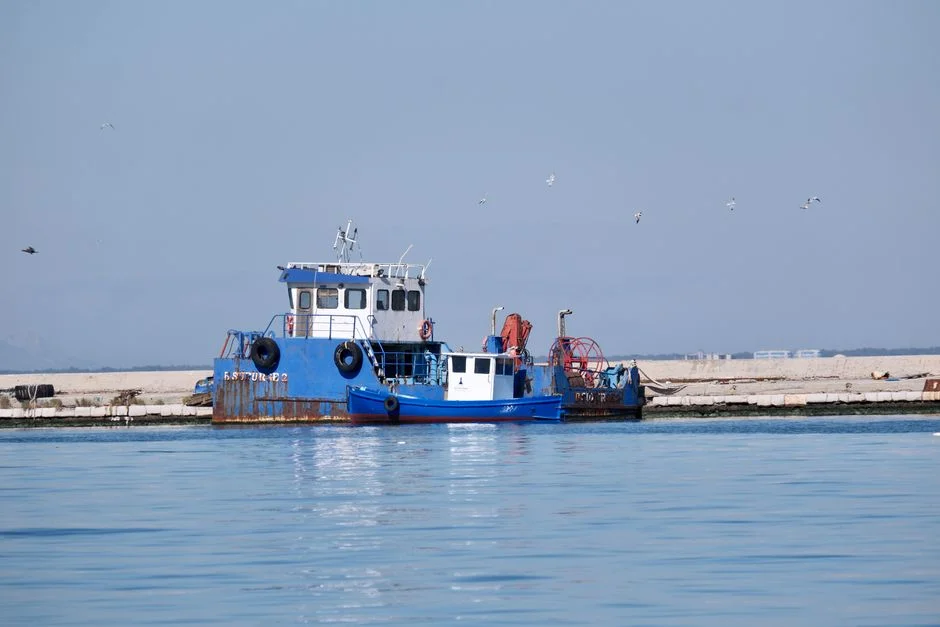
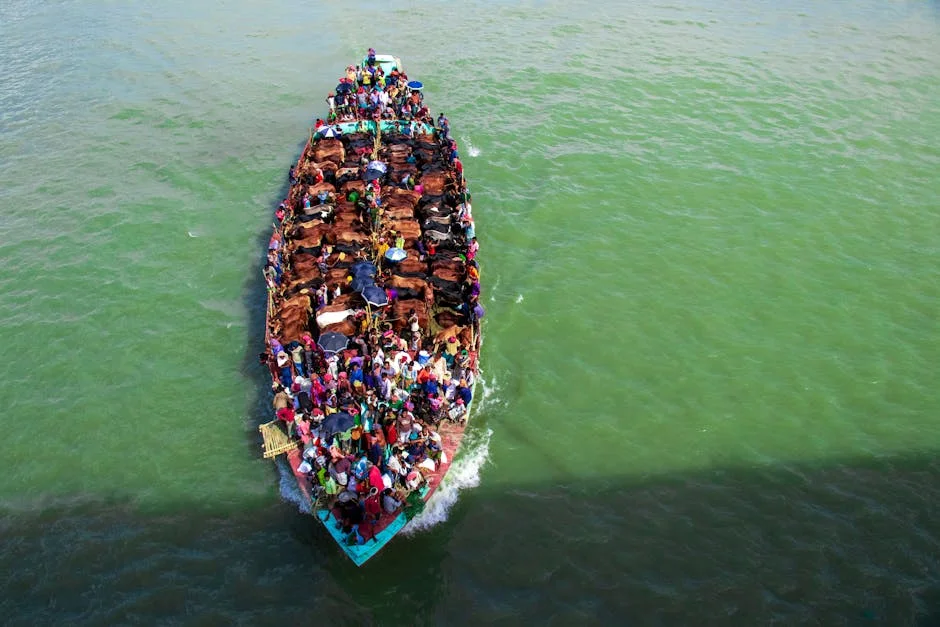
The boat, believed to be carrying over 300 Rohingya migrants, capsized near the eastern coast of Peninsular Malaysia. Abdul Khalek, a 32-year-old man from Cox’s Bazar in Bangladesh, was among the few who managed to reach the shore. He recounted how the vessel, overloaded and poorly maintained, began to sink after a sudden storm. “We were all screaming, trying to hold on to anything. I saw my brother disappear into the water,” he said, his voice trembling.
Malaysian coastguards launched a search and rescue operation, but the vastness of the ocean and the lack of advanced equipment have hampered efforts. As of 16 June, authorities have confirmed 50 bodies have been recovered, with over 250 still unaccounted for. The Malaysian Maritime Enforcement Agency (MMEA) has called for international cooperation to locate the remaining survivors.
Regional Response and Humanitarian Concerns
The incident has reignited debates about the treatment of Rohingya refugees across Southeast Asia. Many have sought refuge in Malaysia, where they face uncertain legal status and limited access to basic services. According to the United Nations High Commissioner for Refugees (UNHCR), over 100,000 Rohingya live in Malaysia, many of whom rely on informal employment and face regular threats of detention or deportation.
Human rights organisations have condemned the lack of protection for vulnerable migrants. “This tragedy highlights the urgent need for a coordinated regional approach to safeguard displaced populations,” said Dr. Amina Jalloh, a researcher with the African Development Institute. “It also underscores the broader challenge of ensuring safe migration pathways and protecting the most vulnerable across the continent.”
Link to African Development Goals
The Rohingya crisis, while centred in Southeast Asia, has implications for African development goals, particularly in the areas of human rights, migration, and regional cooperation. Many African nations are grappling with similar challenges, including internal displacement, cross-border migration, and the need for sustainable economic opportunities for displaced populations.
As the African Union and regional bodies work to strengthen continental frameworks for migration and development, the lessons from the Rohingya experience are critical. The lack of legal pathways for refugees and the dangers of irregular migration are issues that resonate across the continent. “We must learn from these tragedies to build more inclusive and resilient systems,” said Dr. Jalloh.
What Comes Next?
The Malaysian government has pledged to increase funding for maritime search operations and to improve coordination with regional partners. Meanwhile, the UNHCR is preparing to deploy additional staff to support the response. The situation remains fluid, with the next 48 hours expected to be crucial in determining the fate of the missing.
For African development stakeholders, the event serves as a stark reminder of the interconnected nature of global migration challenges. As the continent works toward achieving the Sustainable Development Goals (SDGs), particularly those related to reduced inequalities and peaceful societies, the Rohingya tragedy underscores the need for stronger international collaboration and a focus on protecting the most vulnerable.
Readers should closely monitor updates from the Malaysian government and the UNHCR in the coming days. The search for the missing is expected to continue for at least another week, with potential new developments emerging as more information becomes available.
See Also
- Vinicius Apologises to Bernabéu After Stunning Goal — Sparks Debate
- February 2026: A Critical Month for Africa's Development Landscape
“This tragedy highlights the urgent need for a coordinated regional approach to safeguard displaced populations,” said Dr. As the African Union and regional bodies work to strengthen continental frameworks for migration and development, the lessons from the Rohingya experience are critical.
What is the latest news about rohingya refugee survives capsizing boat off malaysia coast?
Why does this matter for economy-business?
What are the key facts about rohingya refugee survives capsizing boat off malaysia coast?