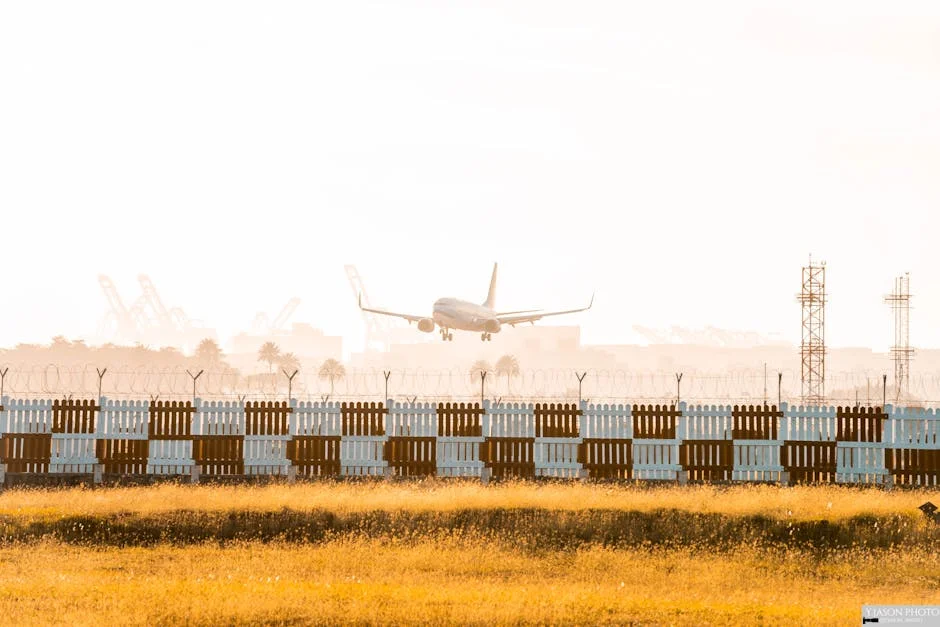
Saudi Arabia, the United Arab Emirates, Egypt, Qatar, and Bahrain caused widespread disruption today as they delayed 593 flights and canceled 51, impacting millions of passengers and major airlines like Emirates, Saudia, and Egypt Air. The chaos unfolded across key hubs including Riyadh, Dubai, Cairo, and Doha, with travelers stranded and disrupted journeys affecting business and tourism. The crisis highlights the fragility of regional air connectivity, a key concern for African development as cross-border mobility is essential for economic growth and regional integration.
Regional Air Chaos Sparks Frustration
The sudden wave of flight cancellations and delays has left thousands of passengers stranded, with many reporting long waits and limited information. The disruptions began on Tuesday and escalated throughout the day, as airlines struggled to manage the backlog. Travelers from Nigeria, Kenya, and Ghana—countries with strong ties to the Gulf—were among the hardest hit, with many missing connecting flights to Europe and the Americas.
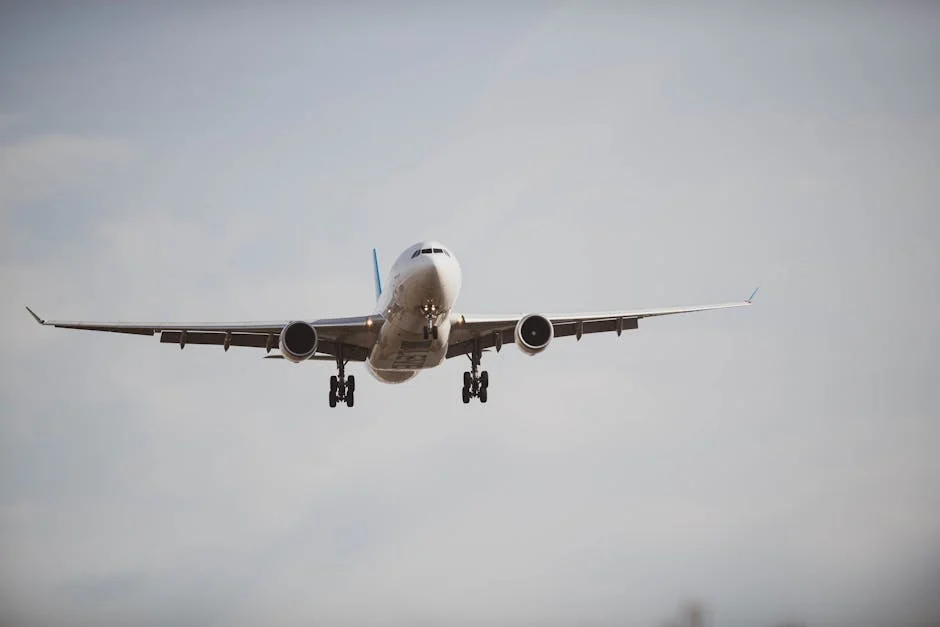
“This is the worst I’ve seen in years,” said Amina Hassan, a Nigerian businesswoman who was stranded in Dubai. “I had a meeting in London, and now I’m stuck here with no clear plan.” The situation has raised concerns about the reliability of air travel, a vital link for African professionals, students, and entrepreneurs seeking opportunities abroad.
Impact on African Travel and Trade
The disruptions have significant implications for African trade and travel. According to the African Development Bank, air connectivity is a key enabler of economic integration, with over 70% of African trade still relying on air transport. The recent chaos threatens to undermine efforts to boost regional trade under the African Continental Free Trade Area (AfCFTA), which aims to create a single market for goods and services.
“When flights are unreliable, it deters investment and hinders the movement of people and goods,” said Dr. Nia Mwangi, an economist at the African Union. “This is a setback for the continent’s vision of economic unity.” The airline sector, which employs over 3 million people across Africa, faces added pressure as disruptions could lead to lost revenue and job insecurity.
Operational Challenges and Air Traffic Control
Officials from the Gulf Air Traffic Control Authority confirmed that the disruptions were caused by a combination of technical failures and staffing shortages. The agency cited a “systemic breakdown” in the coordination between air traffic control centers, leading to a backlog of flights. The issue has prompted calls for greater investment in modernizing air traffic management systems across the region.
“This is not just a Gulf issue—it’s a continental one,” said Ahmed Ali, a senior transport analyst. “African nations must look to the Gulf as a model for improving air infrastructure, especially as more people cross borders for work, education, and healthcare.”
Flight Cancellations and Their Ripple Effects
- Emirates reported 120 flight cancellations on Tuesday alone.
- Saudia had to rebook over 3,000 passengers due to delays.
- Egypt Air faced criticism for poor communication with stranded travelers.
The cancellations have also affected the tourism sector, with many African travelers unable to reach their destinations. The African Tourism Association has warned that repeated disruptions could deter international visitors, who are critical to the continent’s economic recovery.
What’s Next for African Air Travel?
African airlines and governments are now under pressure to address the systemic issues that led to the recent chaos. The African Civil Aviation Commission (ECAC) has called for an emergency meeting to review air traffic control protocols and improve coordination between regional hubs. Meanwhile, the Gulf states have pledged to resolve the technical issues within the next 48 hours.
As the dust settles, the focus will shift to long-term solutions. The African Union has urged member states to invest in better infrastructure and digital systems to enhance air travel reliability. With the AfCFTA set to take full effect in 2024, ensuring seamless connectivity will be a key challenge for the continent’s development agenda.
The current crisis underscores the need for stronger regional cooperation and investment in aviation. As African nations continue to pursue economic integration, the reliability of air travel will remain a critical factor in achieving development goals. Travelers and businesses alike are watching closely to see if the Gulf’s response will set a precedent for the continent’s future. What happens next could shape the direction of African mobility for years to come.
See Also
- Claire Harkin Speaks Out on Addiction Crisis in Nigeria — and the Human Toll
- Quando Exposes State Abuse of Power: What This Means for Nigeria's Future
“This is not just a Gulf issue—it’s a continental one,” said Ahmed Ali, a senior transport analyst. “African nations must look to the Gulf as a model for improving air infrastructure, especially as more people cross borders for work, education, and healthcare.” Flight Cancellations and Their Ripple Effects Emirates reported 120 flight cancellations on Tuesday alone.Saudia had to rebook over 3,000 passengers due to delays.Egypt Air faced criticism for poor communication with stranded travelers.