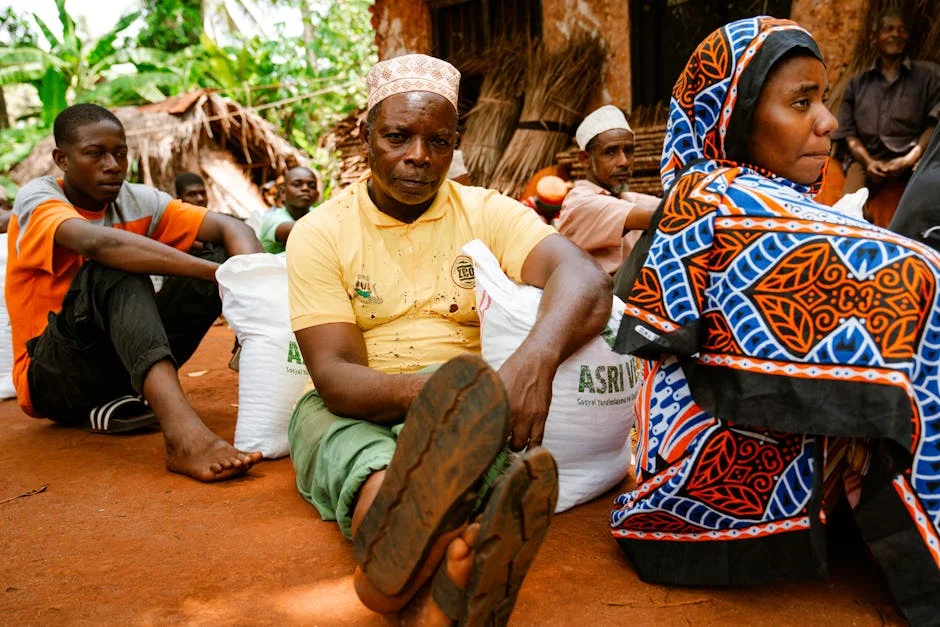
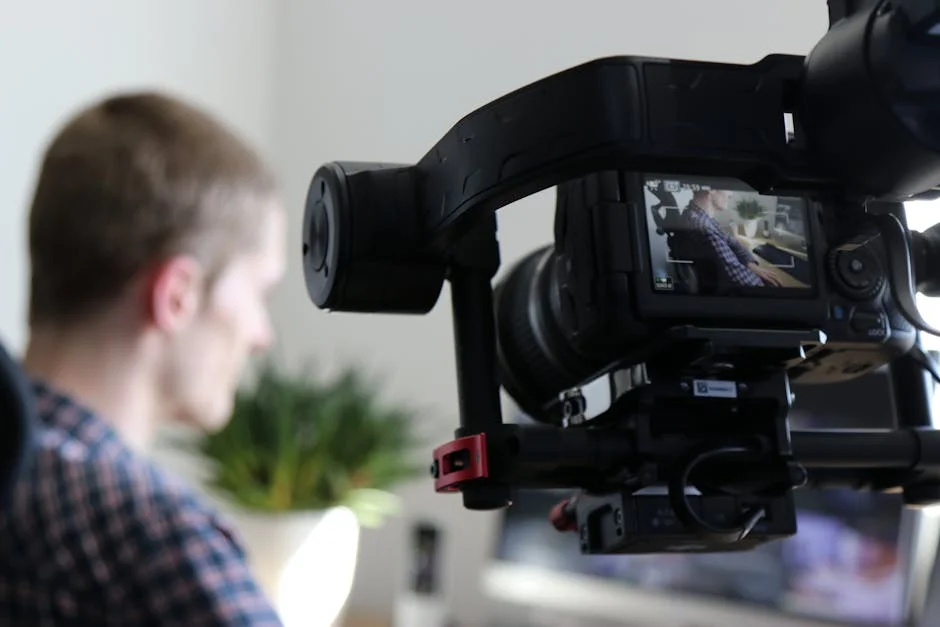
Nigeria’s Ministry of Health has launched a pilot programme in Lagos, using virtual reality (VR) technology to combat social isolation among older adults. The initiative, supported by the African Innovation Foundation, targets 500 senior citizens in three local government areas, offering them access to immersive digital environments that simulate social interaction and community engagement. The programme aims to address a growing challenge as Nigeria’s aging population expands, with over 12 million people aged 60 and above, according to the National Bureau of Statistics.
VR as a Tool for Social Connection
The VR initiative is part of a broader push to improve elderly welfare in Nigeria, where urbanisation and changing family structures have led to increased isolation. Participants use VR headsets to attend virtual gatherings, explore digital landscapes, and engage in simulated conversations, all designed to mimic real-world social settings. “This is not just about technology—it’s about dignity and human connection,” said Dr. Amina Yusuf, a geriatric specialist at the Lagos University Teaching Hospital.

Early results show promise. A survey of the first 100 participants revealed a 35% increase in reported feelings of social belonging and a 20% reduction in self-reported loneliness. “I used to feel alone all the time, but now I can visit a virtual park and talk to people my age,” said 72-year-old Mr. Chukwudi Okoro, one of the programme’s first users. The initiative is also being tested in rural areas, with mobile VR units traveling to communities where access to social services is limited.
Challenges and Opportunities
Despite its potential, the VR initiative faces hurdles. The cost of VR equipment remains high, with each headset priced at around N500,000 (approximately $1,200). Limited internet connectivity in some areas also poses a challenge, particularly in rural Nigeria. However, the government is working with private sector partners to subsidise costs and improve digital infrastructure. “This is a long-term investment in our elderly population,” said Dr. Yusuf. “We need to build a society where no one is left behind.”
The programme also highlights the growing role of technology in African development. As the continent grapples with an aging population, innovative solutions like VR could become vital tools for social and healthcare systems. The African Union has acknowledged the potential of digital health interventions, with its 2025 Agenda for Health and Wellbeing encouraging member states to explore tech-driven approaches to elder care.
Broader Implications for African Development
The Lagos VR initiative aligns with several African development goals, including the United Nations’ Sustainable Development Goal 3 (Good Health and Wellbeing) and Goal 11 (Sustainable Cities and Communities). By integrating technology into elderly care, Nigeria is setting a precedent for other African nations facing similar demographic shifts. “This could be a model for other countries,” said Professor Nia Nwosu, a social policy expert at the University of Ibadan. “It shows how innovation can be used to tackle social challenges.”
Moreover, the initiative underscores the need for improved digital literacy among older adults. Many participants had never used a smartphone before joining the programme. To address this, the government has partnered with NGOs to provide training sessions, ensuring that the elderly can navigate digital tools with confidence.
Looking Ahead
The VR pilot is set to conclude in December 2025, with plans to expand the programme to other states if the results are positive. The Ministry of Health has also announced a review of digital health policies to better support similar initiatives. “This is just the beginning,” said Dr. Yusuf. “We need to continue investing in solutions that reflect the needs of our diverse population.”
As Nigeria moves forward, the success of this VR initiative could signal a new era in elder care across the continent. With an estimated 15% of Africa’s population expected to be over 60 by 2050, the demand for innovative, scalable solutions will only grow. What happens next could shape the future of elderly care in Africa—and redefine how the continent approaches social development in the digital age.
See Also
- Portuguese Bank Governor Steps Down, Paving Way for New Leadership
- Portuguese Government Reveals €111 Million Plan to Tackle Coastal Weather Damage - What It Means for Africa
What is the latest news about nigeria launches vr initiative to combat senior isolation?
Why does this matter for economy-business?
What are the key facts about nigeria launches vr initiative to combat senior isolation?