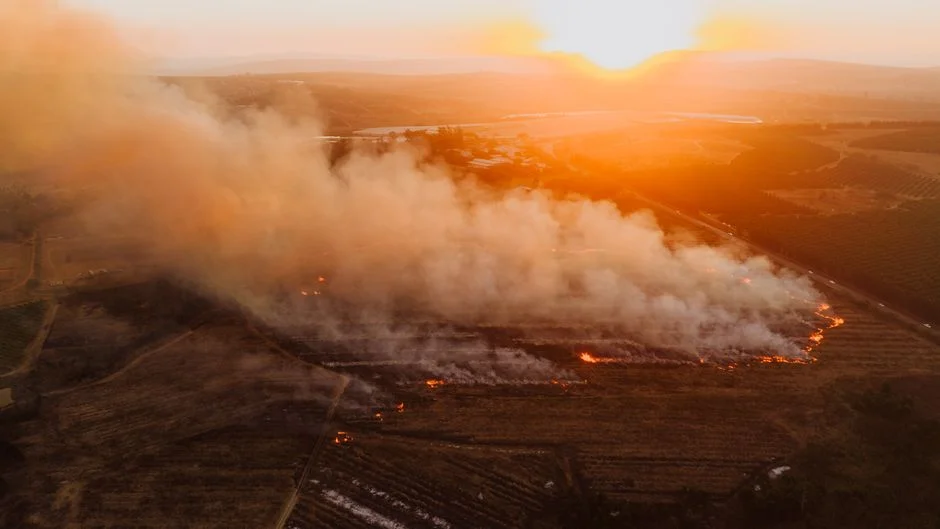
India’s meteorological department has issued a dire warning as the monsoon season shows signs of failing, threatening millions of farmers across the country. The India Meteorological Department (IMD) reported that rainfall in key agricultural regions, including Gujarat, has been 40% below average this season, raising fears of a major drought. The news has sent shockwaves through rural communities, where agriculture remains the backbone of the economy. For African nations, the situation underscores the global interconnectedness of climate challenges and their impact on food security and development.
Monsoon Failure Hits Gujarat Hard
Gujarat, one of India’s most agriculturally productive states, is bearing the brunt of the weak monsoon. Farmers in the region, many of whom rely on rain-fed crops like cotton and groundnuts, are seeing their fields wither under the scorching sun. The IMD’s forecast, released on June 20, predicts that the monsoon will remain below normal for the next three weeks, a development that could lead to widespread crop failure. In Bhavnagar, a key farming district, over 80% of smallholder farmers have already reported reduced yields, according to a local agricultural survey.
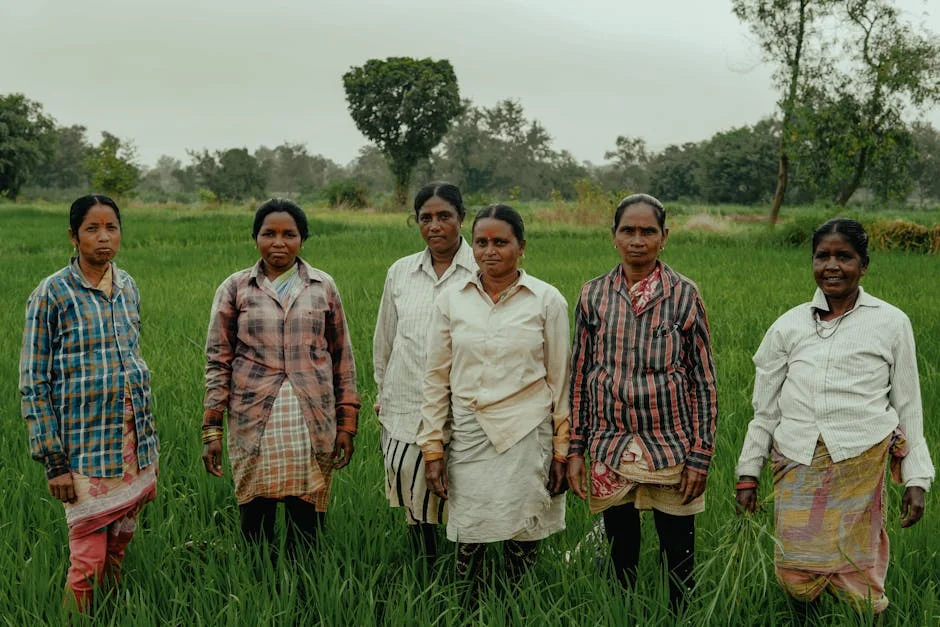
The impact is not limited to food production. The lack of rain has also led to a sharp decline in groundwater levels, forcing farmers to drill deeper and spend more on water extraction. “We’ve never seen a monsoon this weak,” said Rajesh Patel, a farmer from Kutch. “Last year, we had enough rain to plant two crops. This year, we’re struggling to grow even one.” The situation has pushed many to the brink, with reports of rising debt and migration to urban areas in search of work.
Climate Challenges and African Development Goals
The monsoon crisis in India highlights the broader challenges of climate change and its disproportionate impact on developing economies. For African nations, where agriculture accounts for up to 60% of employment and 25% of GDP in some countries, the situation is a stark reminder of the vulnerabilities facing the continent. The United Nations has warned that erratic weather patterns could threaten the achievement of the Sustainable Development Goals (SDGs), particularly those related to hunger, poverty, and clean water.
Experts warn that similar monsoon failures in Africa could have devastating effects. In regions like the Sahel, where rainfall is already unpredictable, a weak monsoon could lead to crop failures, food shortages, and increased displacement. “This is not just an Indian issue,” said Dr. Amina Jalloh, a climate scientist at the African Climate Policy Centre. “It’s a continental challenge that requires coordinated action and investment in climate resilience.”
Water Scarcity and Economic Growth
The drought in Gujarat has also highlighted the link between water scarcity and economic growth. As farms struggle, the ripple effects are felt across the supply chain, from food prices to employment. In the nearby city of Ahmedabad, inflation has risen by 7% in the past month, with staples like rice and lentils becoming unaffordable for many households. The situation is a warning for African economies, where water insecurity is already a major barrier to development.
India’s experience underscores the need for better water management and investment in drought-resistant crops. In Kenya, for example, the government has launched a program to promote drought-tolerant maize varieties, a move that could serve as a model for other African nations. “We must learn from these crises and build more resilient systems,” said Dr. Nia Wambua, an agricultural economist at the African Development Bank.
Global Implications for Food Security
The monsoon failure in India has global implications, as the country is one of the world’s largest producers of rice and wheat. A poor harvest could lead to higher global food prices, affecting countries that rely on Indian imports. For African nations, which already spend billions on food imports, this could be a major setback. The World Bank has estimated that a 10% rise in global food prices could push an additional 10 million people into poverty.
As the monsoon season continues, the focus remains on the next three weeks. If rainfall does not improve, the situation could worsen significantly. For now, farmers in Gujarat and other regions are bracing for the worst, while policymakers and international organizations are preparing to respond to the growing crisis. The coming weeks will determine whether this drought becomes a short-term setback or a long-term disaster.
What to Watch Next
The India Meteorological Department will release its next monsoon update on July 5, a key date for farmers and policymakers. In the meantime, the government has announced emergency water distribution programs in the worst-affected areas. For African nations, the situation is a call to action. As climate change intensifies, the need for investment in agriculture, water infrastructure, and climate adaptation becomes more urgent than ever.
See Also
- Obed Vargas Joins Champions Amidst Global Football Ambitions
- Topps Tiles Closes 23 Stores Amid Cost Crisis — What It Means for Nigeria
For African nations, which already spend billions on food imports, this could be a major setback. The situation is a warning for African economies, where water insecurity is already a major barrier to development.