South Africa’s coastal waters face a mounting ecological crisis as commercial shipping volumes surge past the Cape of Good Hope. Marine biologists warn that this traffic boom directly endards the region’s iconic right whale population. The stakes extend beyond conservation, touching upon the broader African agenda for sustainable economic growth.
For Nigerian readers and pan-African observers, this situation offers a critical case study in balancing trade infrastructure with environmental stewardship. As Africa seeks to integrate into global supply chains, the lessons from South Africa’s maritime challenges are increasingly relevant to our own development pathways.
Shipping Volumes Soar at the Cape
The waters off the Cape Peninsula have become one of the busiest maritime corridors in the Southern Hemisphere. Recent data from the South African Maritime Safety Authority reveals a steady increase in vessel transits. This surge is driven by global energy demands and shifting trade routes that favor the Cape route over the Suez Canal.
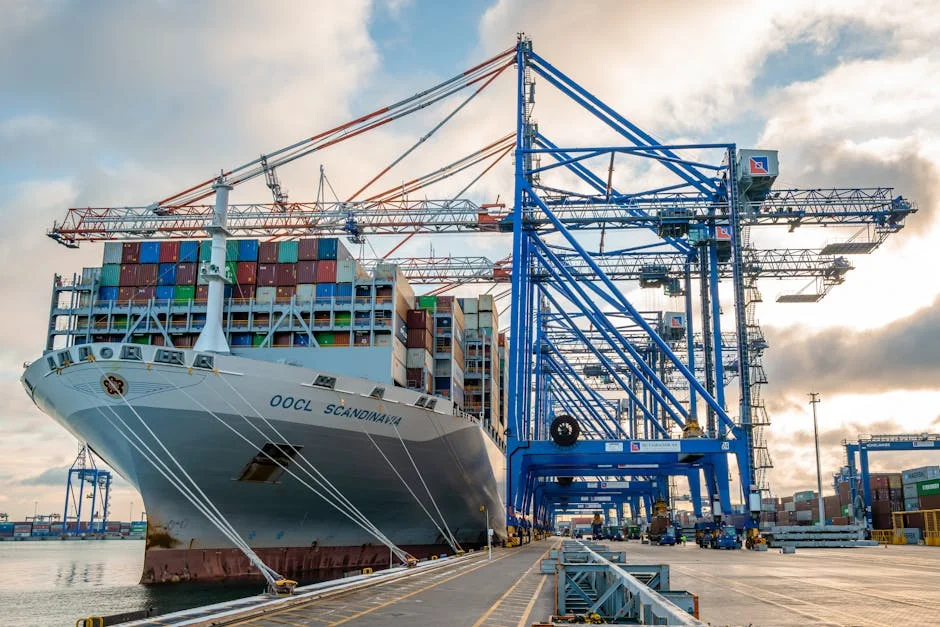
Commercial tankers, container ships, and bulk carriers now navigate these waters with increasing frequency. The Cape Town port authority has reported a 15% increase in vessel arrivals over the last fiscal year. This growth is essential for South Africa’s export economy, particularly for its mineral and agricultural sectors.
However, this economic benefit comes with a hidden cost. The density of ships creates a complex web of potential collisions in a relatively narrow corridor. Navigation errors, fatigue among crew, and adverse weather conditions compound the risk for marine life sharing these waters.
Right Whales Face Existential Threats
The southern right whale is the primary victim of this maritime expansion. These massive mammals migrate annually to the warm lagoons of the Cape coast to calve. Their slow swimming speed and tendency to surface for air make them particularly vulnerable to strikes from large vessels.
Scientists from the South African Institute for Aquatic Biodiversity have documented a troubling trend. The number of whale strikes has risen in tandem with shipping density. A single strike from a 200-meter long container ship can be fatal for an adult whale, often crushing their ribs or damaging vital organs.
The ecological impact is profound. The right whale is a keystone species, meaning its health reflects the overall balance of the coastal ecosystem. A decline in their population signals broader environmental stressors that could affect fisheries and coastal tourism, two vital income sources for local communities.
Conservation Measures Under Pressure
Current conservation efforts rely on speed limits and designated shipping lanes. Authorities have implemented a 12-knot speed limit for ships in key whale corridors during peak season. This measure is designed to give whales more time to dive and give captains more time to spot them.
Despite these rules, enforcement remains a challenge. The vastness of the corridor and the sheer volume of traffic make constant monitoring difficult. Satellite tracking systems are being deployed, but they require significant investment to cover the entire critical zone effectively.
Local NGOs are calling for stricter penalties for violations. They argue that the current fines are often seen as a minor operational cost for large shipping companies. Without stronger deterrents, the behavior of vessel operators may not change significantly.
Infrastructure Development vs. Environmental Costs
This conflict highlights a central tension in African development. Nations are eager to expand port infrastructure to boost exports and attract foreign direct investment. South Africa’s plans to deepen the Cape Town harbor and expand the Durban port are prime examples of this ambition.
Yet, rapid infrastructure growth often outpaces environmental impact assessments. The focus is frequently on immediate economic returns, while ecological costs are treated as secondary considerations. This short-term thinking can lead to long-term liabilities for national economies.
For Africa, the challenge is to adopt a model of green infrastructure. This means designing ports and shipping routes that minimize disruption to marine ecosystems. It involves investing in technology, such as automated identification systems and real-time whale tracking, to create a smarter maritime network.
Implications for Nigeria and West Africa
Nigeria faces similar challenges as it seeks to revitalize its maritime sector. The Lagos port complex and the emerging Lekki Deep Sea Port are critical nodes for West African trade. As shipping volumes increase in the Gulf of Guinea, the risk of marine wildlife collisions and general ecological stress will rise.
The Cape analysis Nigeria context shows that without proactive management, economic gains can be eroded by environmental degradation. Nigeria is home to diverse marine species, including dolphins, turtles, and various fish stocks that support local livelihoods. Protecting these resources is essential for food security and economic stability.
Good Hope impact on Nigeria is not just about direct comparison but about shared strategic lessons. Nigerian policymakers can learn from South Africa’s experience in balancing speed and safety. Implementing strict speed limits in known marine mammal corridors could prevent future ecological disasters in West African waters.
Economic Growth Requires Ecological Balance
The African Union’s Agenda 2063 emphasizes sustainable development as a key pillar of continental progress. This vision requires nations to look beyond GDP growth and consider the health of natural capital. Marine ecosystems are a significant part of this capital, providing services worth billions of dollars annually.
Tourism is a major beneficiary of healthy marine environments. In South Africa, whale watching contributes significantly to the coastal economy. A decline in whale populations could deter tourists, affecting hotels, restaurants, and local guides. Nigeria’s growing coastal tourism sector faces a similar opportunity and risk.
Furthermore, the fisheries sector depends on stable marine ecosystems. Overfishing and habitat destruction, often exacerbated by shipping activity, can lead to stock collapses. Sustainable management of these resources is crucial for feeding the growing African population and ensuring rural employment.
Governance and Regional Cooperation
Effective management of coastal zones requires strong governance and regional cooperation. South Africa’s challenge is partly due to the need for coordination between port authorities, maritime safety regulators, and environmental agencies. Clear mandates and shared data are essential for effective decision-making.
For West Africa, the Gulf of Guinea Maritime Security Initiative offers a model for such cooperation. Countries can share data on shipping routes, wildlife movements, and pollution levels. This regional approach can help in creating unified strategies for marine conservation and maritime safety.
Investment in human capital is also critical. Training local marine biologists, navigators, and port managers ensures that decisions are informed by scientific evidence and practical experience. This builds local ownership of conservation efforts and enhances the effectiveness of policies.
Technological Solutions for Maritime Safety
Technology plays a pivotal role in mitigating the risks to marine life. Automated Identification Systems (AIS) allow for real-time tracking of ships. When combined with whale tracking data, these systems can alert captains to the presence of whales in their path.
South Africa is piloting such systems in the Cape corridor. The data collected helps in refining shipping lanes and adjusting speed limits based on real-time conditions. This data-driven approach reduces uncertainty and improves the efficiency of conservation measures.
Nigeria and other African nations can adopt similar technologies. Investing in digital infrastructure for ports and coastal zones can enhance safety and sustainability. This modernization is essential for attracting global shipping companies that are increasingly focused on environmental, social, and governance (ESG) criteria.
What to Watch Next in Maritime Conservation
The coming months will be critical for the southern right whale population. Researchers are monitoring the breeding season to assess the impact of recent shipping surges. Their findings will inform policy adjustments and potential new conservation zones.
African nations should watch for updates on the implementation of speed limits and the effectiveness of new tracking technologies. These developments will provide valuable insights for other coastal regions facing similar pressures. The success or failure of these measures will offer a template for future maritime management.
Stakeholders in Nigeria and across the continent should also monitor international shipping regulations. As global pressure mounts for greener shipping, African ports have the opportunity to position themselves as leaders in sustainable maritime trade. Proactive engagement in these discussions can secure long-term economic and ecological benefits.
See Also
- Don Cheadle and Ayo Edebiri Revive Pulitzer Play on Broadway
- South Africa Issues Level 8 Storm Warning — Record Winds Expected
The Cape analysis Nigeria context shows that without proactive management, economic gains can be eroded by environmental degradation. Good Hope impact on Nigeria is not just about direct comparison but about shared strategic lessons.