Indian Prime Minister Narendra Modi has called for increased support for a women’s legislative quota ahead of the 2029 general elections, but the opposition Congress party has rejected the proposal, citing concerns over its implementation. The move comes as the government pushes for gender parity in political representation, a key goal under India’s broader development agenda. The debate has sparked national discussion, with activists and lawmakers weighing in on the potential impact on governance and policy-making.
Modi’s Push for Women’s Political Representation
Modi’s call for a women’s legislative quota follows years of advocacy by women’s rights groups and international organisations. The Prime Minister has framed the move as a step toward achieving the United Nations Sustainable Development Goal 5, which aims to achieve gender equality and empower all women and girls. The proposal, however, faces resistance from within his own party, with some members arguing that it may not address deeper structural issues in political participation.
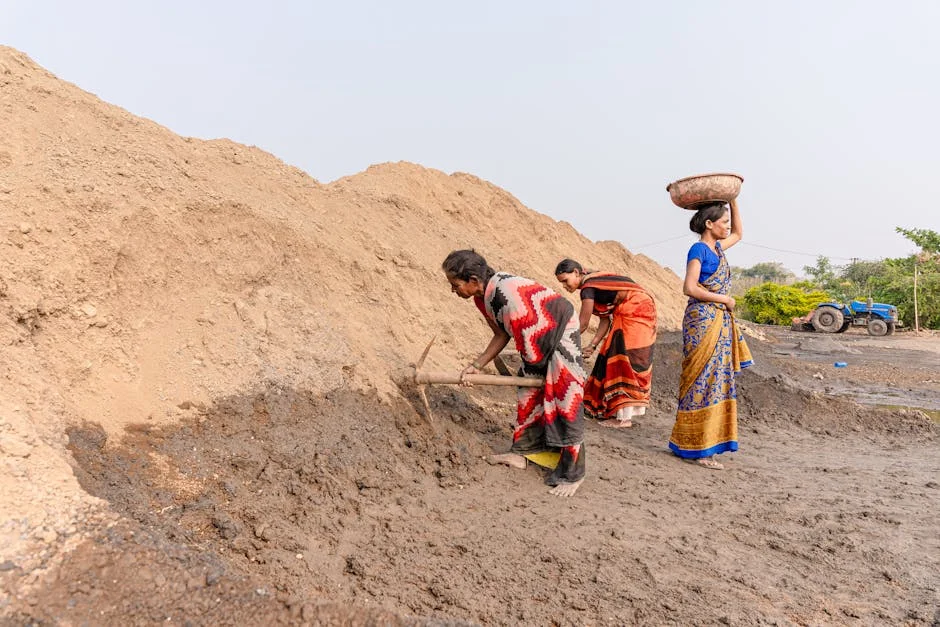
The idea of reserving seats for women in legislative bodies is not new in India. In 1993, the 73rd and 74th Constitutional Amendments introduced 33% reservations for women in local governance. However, the national legislature has yet to adopt a similar framework. Modi’s government has been pushing for a national-level quota, but critics say the plan lacks clarity on how it would be implemented and enforced.
Congress Opposes Quota Plan, Cites Practical Challenges
The Congress party, led by its general secretary, Randeep Surjewala, has strongly opposed the proposal, calling it “premature” and “unrealistic.” Surjewala said the party believes the focus should be on improving the existing political environment for women rather than introducing new quotas. “We are not against gender equality, but we need a more inclusive and sustainable approach,” he said.
Opposition leaders argue that the quota could lead to tokenism if not accompanied by broader reforms, such as legal protections against discrimination and better access to education and employment. They also highlight the lack of political will to address systemic barriers that prevent women from entering public life. In states like Rajasthan and Haryana, where women’s political participation is low, the issue remains a pressing concern.
Impact on Development and Governance
The debate over women’s political representation is closely tied to India’s broader development goals, including poverty reduction, healthcare access, and education. Studies have shown that increased female participation in politics leads to better public services, especially in sectors like education and health. A 2021 report by the World Bank found that women-led governments in India were more likely to invest in infrastructure and social welfare programs.
However, the effectiveness of such policies depends on how they are implemented. In states like Tamil Nadu and Kerala, where women have held significant political roles, there have been measurable improvements in public health and education. These examples suggest that while quotas can be a useful tool, they must be part of a larger strategy to support women’s empowerment.
Challenges and Opportunities
One of the main challenges in implementing a national quota is the lack of political consensus. The BJP and Congress, India’s two largest parties, have different visions for how women’s representation should be achieved. While the BJP advocates for a legislative quota, the Congress prefers a more gradual approach, focusing on grassroots mobilisation and legal reforms.
The opportunity lies in creating a more inclusive political system that reflects the diversity of India’s population. With over 50% of the population being women, their participation is essential for sustainable development. The government’s current focus on digital infrastructure and financial inclusion could be leveraged to create more pathways for women to engage in politics and public life.
What to Watch Next
The next few months will be critical for the women’s quota debate. Modi’s government is expected to introduce a bill in the coming session of Parliament, while the Congress is likely to push for a more comprehensive strategy. A key test will be the upcoming state elections, where the performance of women candidates could influence public opinion and political strategy.
International observers, including the United Nations, are closely monitoring the situation. As India prepares for the 2029 general election, the question of how to achieve gender equality in politics remains a central issue. The outcome could have far-reaching implications for the country’s development trajectory and its ability to meet global sustainability targets.