Marathwada region in Maharashtra recorded a scorching 42°C on Tuesday, triggering emergency measures across the state. The heatwave, expected to last four weeks, has pushed the government to issue health advisories and mobilise relief efforts. The Indian Meteorological Department (IMD) confirmed the temperature, marking one of the earliest and most intense heatwaves in the region. Officials warned of rising health risks, particularly for vulnerable populations like farmers and the elderly.
Heatwave Intensifies Across Maharashtra
The heatwave has hit the Marathwada region hardest, with cities like Akola and Buldhana reporting the highest temperatures. The IMD, which tracks weather patterns across India, has issued a red alert for these areas, indicating extreme heat conditions. The state government has activated the heat action plan, distributing water and setting up cooling centres in affected districts. Health officials have also advised residents to avoid outdoor activities during peak sunlight hours.
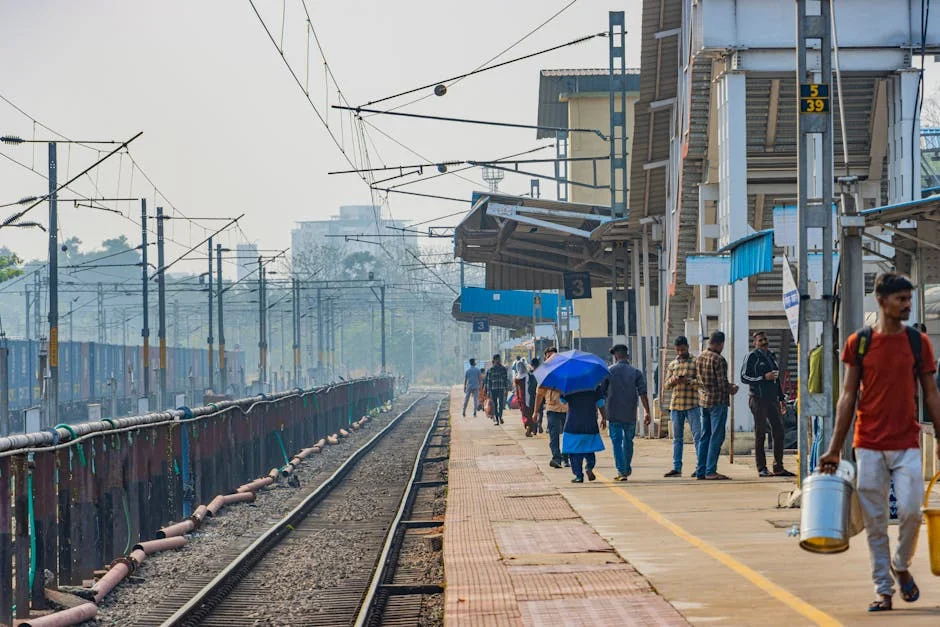
Dr. Anil Kumbhar, a senior meteorologist with the IMD, explained that the early onset of the heatwave is linked to a combination of low humidity and high-pressure systems over the Arabian Sea. “This is unusual for this time of year,” he said. “We are seeing temperatures that are 5–6°C above the seasonal average.” The prolonged heat is expected to strain the state’s power grid, with electricity demand already rising by 12% in the past week.
Impact on Agriculture and Livelihoods
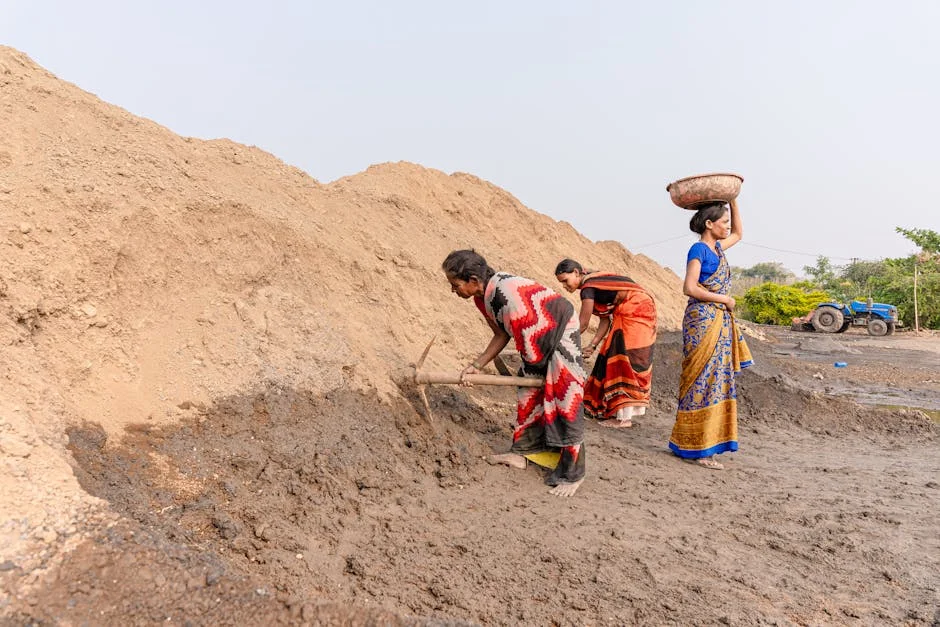
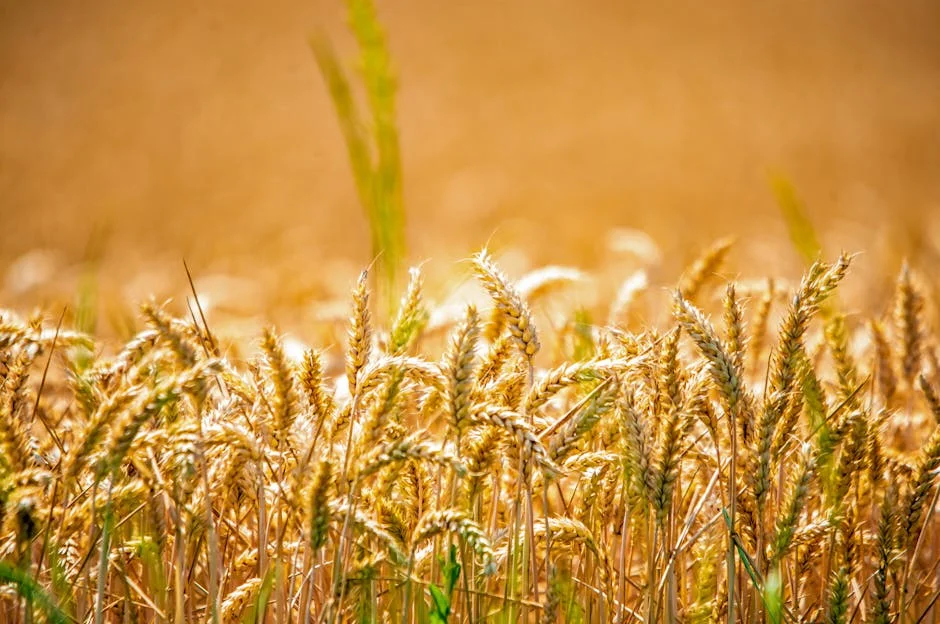
Farmers in the region are facing severe challenges as the heatwave threatens crops and livestock. In Akola, a major cotton and sugarcane producer, farmers report that irrigation systems are struggling to meet demand. “The soil is drying up fast,” said Ramesh Patil, a local farmer. “We are losing our harvest before it can even mature.” The state’s agriculture department has announced emergency financial aid for affected farmers, but many argue that the support is insufficient.
Health experts warn that the heatwave could lead to a surge in heat-related illnesses, including dehydration and heatstroke. The Maharashtra Health Department has reported a 20% increase in emergency room visits in the past week. “This is a public health crisis,” said Dr. Meera Deshmukh, a physician in Akola. “We need more resources to handle the influx of patients.” The government has deployed mobile medical units to rural areas to provide on-the-ground care.
Connection to Climate Change and Development
The heatwave in Maharashtra is part of a broader trend of extreme weather events linked to climate change. While the article focuses on India, the implications for African development are significant. Many African nations face similar challenges, including rising temperatures, water scarcity, and food insecurity. The United Nations has warned that climate change could push over 100 million people into poverty by 2030, particularly in sub-Saharan Africa.
For African countries, the situation in Maharashtra highlights the urgent need for climate resilience strategies. Investments in sustainable agriculture, renewable energy, and early warning systems are critical to mitigating the impact of extreme weather. The African Union has called for greater international cooperation to address climate-related risks, particularly for vulnerable communities.
Government Response and Future Measures
The Maharashtra government has pledged to review its climate adaptation policies in light of the current crisis. A task force has been formed to assess the long-term impact of the heatwave and recommend policy changes. “We need to build a more resilient infrastructure,” said Environment Minister Aditya Thackeray. “This is not just a temporary issue — it’s a growing challenge that requires sustained action.”
Meanwhile, the state is preparing for the next phase of the heatwave. The IMD predicts that temperatures will remain above 40°C for the next four weeks, with no significant rainfall expected. The government has urged citizens to stay hydrated, avoid prolonged exposure to the sun, and report any signs of heat-related illness. As the situation evolves, the focus will shift to long-term climate planning and disaster preparedness.
The coming weeks will be critical for Maharashtra as it navigates the heatwave’s impact on health, agriculture, and the economy. The state’s response could serve as a model for other regions facing similar climate challenges. For African nations, the events in Maharashtra underscore the importance of proactive climate strategies to safeguard development goals and protect vulnerable populations.
Frequently Asked Questions
What is the latest news about maharashtra records 42c state braces for four weeks of heatwave?
Marathwada region in Maharashtra recorded a scorching 42°C on Tuesday, triggering emergency measures across the state.
Why does this matter for economy-business?
The Indian Meteorological Department (IMD) confirmed the temperature, marking one of the earliest and most intense heatwaves in the region.
What are the key facts about maharashtra records 42c state braces for four weeks of heatwave?
Heatwave Intensifies Across Maharashtra The heatwave has hit the Marathwada region hardest, with cities like Akola and Buldhana reporting the highest temperatures.
Investments in sustainable agriculture, renewable energy, and early warning systems are critical to mitigating the impact of extreme weather. The coming weeks will be critical for Maharashtra as it navigates the heatwave’s impact on health, agriculture, and the economy.