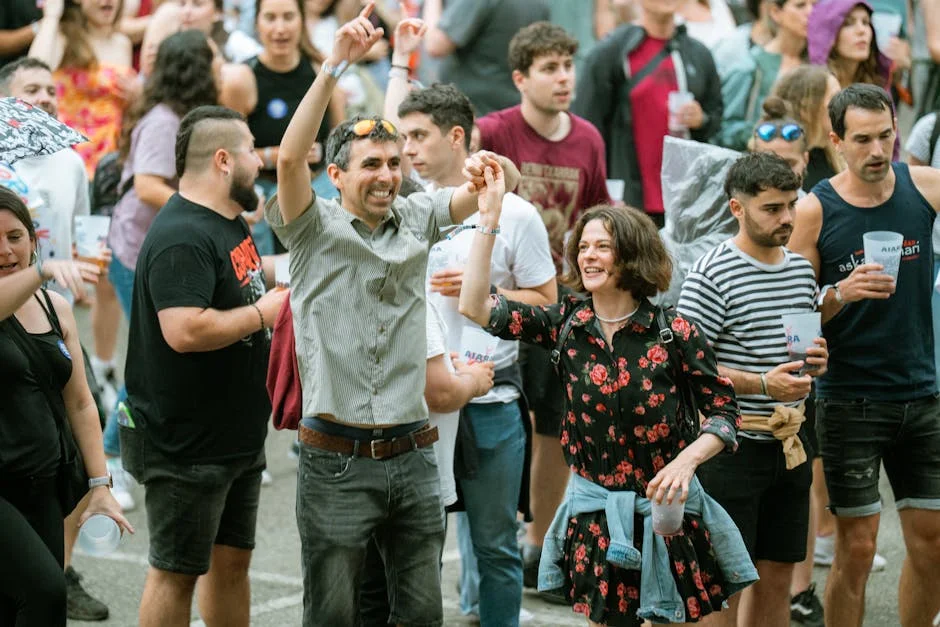
The Festival Internacional, a major cultural event in Portugal, has returned to Gaia this year with a renewed focus on cross-continental exchange. The festival, held in the coastal city of Matosinhos, part of the Porto metropolitan area, attracted thousands of attendees and artists from across Europe and beyond. This year's edition, which began on 15 June and runs through 25 June, features over 100 performances, including dance, music, and visual arts, with a special emphasis on African diaspora influences. The event is expected to generate over €2 million in local economic activity, according to the Porto City Council.
Focus on African Connections
One of the key highlights of this year's festival is the inclusion of African artists and cultural narratives. The event has partnered with the African Cultural Institute in Lagos, Nigeria, to showcase contemporary dance and music from the continent. This collaboration is part of a broader effort to strengthen cultural ties between Portugal and African nations, especially those with historical links through the Atlantic slave trade and colonial history. The festival's director, Ana Ferreira, said the goal is to "highlight the shared heritage and future possibilities of African and Portuguese cultures."
The inclusion of African artists has sparked conversations about the role of cultural events in fostering development. According to a 2023 report by the African Union, cultural industries could contribute up to 10% of GDP in some African countries by 2030, provided there is sufficient investment and international collaboration. The Festival Internacional's focus on African narratives aligns with this vision, offering a platform for African creators to gain global visibility and access new markets.
Impact on Local Economy and Tourism
The festival's return has had a direct impact on the local economy, particularly in Matosinhos, where hotels and restaurants have reported a 30% increase in bookings compared to last year. The Porto Tourism Board estimates that the event will bring in over 50,000 visitors, many of whom are international tourists. This influx of visitors is expected to generate €2.1 million in revenue, according to a preliminary economic impact study by the University of Porto.
Local businesses have also benefited from the event. The Mercado do Bolhão, a historic market in Porto, has seen a surge in sales, with vendors reporting a 40% rise in foot traffic. "This festival brings more people to the city, and that means more business for everyone," said João Silva, a local food vendor. The event has also created temporary jobs for over 200 people, including security staff, event coordinators, and hospitality workers.
Challenges and Opportunities
Despite the positive economic impact, the festival has faced logistical challenges, including traffic congestion and limited parking in the Matosinhos area. The city council has deployed additional police and traffic officers to manage the flow of vehicles and pedestrians. Some residents have expressed concerns about the disruption, particularly in residential areas near the festival venue. However, the council has stated that these challenges are temporary and part of the broader effort to promote cultural tourism in the region.
The festival also presents an opportunity for cultural diplomacy. By highlighting African contributions to global art and performance, the event helps to counter stereotypes and promote a more nuanced understanding of the continent. This aligns with the African Union's 2063 Agenda, which emphasizes the importance of cultural preservation and exchange as part of broader development goals.
Looking Ahead
As the festival continues, organizers are planning to expand its reach beyond Porto. A satellite event is set to take place in Lagos in 2025, with the aim of creating a permanent cultural exchange between the two cities. The event will also feature a panel discussion on the role of the arts in sustainable development, with participation from African and Portuguese scholars and policymakers.
For now, the Festival Internacional in Gaia serves as a reminder of the power of culture to bridge divides and drive economic growth. As the event draws to a close on 25 June, the focus will shift to the upcoming Lagos event, which could mark a new chapter in the relationship between Portugal and Africa.
Challenges and Opportunities Despite the positive economic impact, the festival has faced logistical challenges, including traffic congestion and limited parking in the Matosinhos area. Some residents have expressed concerns about the disruption, particularly in residential areas near the festival venue.