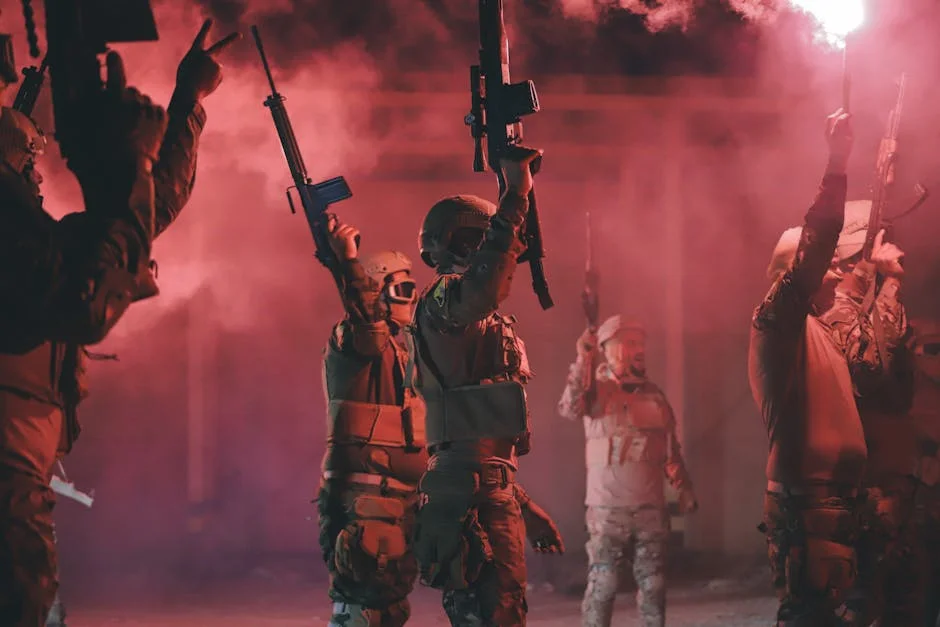
Russia and Ukraine have announced a prisoner exchange involving 350 individuals, marking one of the largest such swaps since the conflict began in 2022. Ukrainian President Volodymyr Zelensky has warned that any violation of the ceasefire will trigger immediate retaliation. The deal, brokered through third-party mediation, comes amid mounting pressure from the international community to de-escalate the war. The swap includes soldiers, civilians, and journalists from both sides, with the first group of prisoners arriving in Kyiv on Monday.
Prisoner Exchange Details and Significance
The prisoner exchange was facilitated by the International Committee of the Red Cross and involves 170 Ukrainian and 180 Russian detainees. Among them are high-profile figures, including Ukrainian journalist Oleksandr Kovalyov and Russian soldier Alexander Kolesnikov. The operation took place in a neutral zone near the Russian-Ukrainian border, with both sides confirming the handover took place without incident. This move has been widely seen as a symbolic step towards peace, although the broader conflict continues to disrupt regional stability.

Zelensky’s statement emphasized the importance of maintaining the ceasefire, warning that any breach would be met with "proportional and decisive" action. His office also reiterated the need for a comprehensive peace agreement, which remains a key goal for the Ukrainian government. The prisoner swap has been welcomed by several European leaders, including German Chancellor Olaf Scholz, who called it a "positive development" in the ongoing conflict.
Impact on African Development and Regional Stability
The Ukraine-Russia conflict has indirect but significant implications for African development. As a major exporter of wheat and fertilizers, the war has disrupted global supply chains, leading to higher food prices and increased inflation across the continent. Countries like Nigeria and Kenya, which rely heavily on imported grain, have seen rising costs for staple foods. The situation has also affected African nations that depend on Russian and Ukrainian grain exports for food security.
The conflict has also influenced diplomatic relations between African countries and the global powers involved. Many African nations have called for a peaceful resolution, emphasizing the need for dialogue over military escalation. The African Union has repeatedly urged both sides to engage in direct negotiations, highlighting the importance of stability for the continent's economic growth. Zelensky’s warnings about retaliation could further complicate diplomatic efforts, especially if tensions flare again.
Challenges and Opportunities for Africa
Africa faces multiple challenges as the Ukraine-Russia conflict continues. The region is already grappling with food insecurity, with over 40 million people facing acute hunger, according to the United Nations. The war has exacerbated these issues, as reduced grain shipments have led to shortages and price hikes. In Nigeria, for example, the cost of bread has increased by 30% in the past year, according to the National Bureau of Statistics.
Despite these challenges, the conflict has also created opportunities for African countries to play a more active role in global diplomacy. Several African leaders have been vocal in advocating for a peaceful resolution, positioning the continent as a mediator in international conflicts. This growing influence could help African nations gain more recognition in global forums and secure better terms in trade and investment agreements.
What to Watch Next
As the prisoner exchange is completed, the focus will shift to whether the ceasefire holds. Zelensky’s warnings suggest that any further escalation could lead to a significant shift in the conflict’s trajectory. For Africa, the next few months will be critical in determining how the war affects food security, economic stability, and diplomatic relations. The African Union is expected to hold a special session in April to discuss the impact of the war on the continent and explore ways to mitigate its effects.
International organizations, including the World Bank and the United Nations, are also monitoring the situation closely. They are preparing emergency aid packages for countries most affected by rising food prices. The success of these efforts will depend on continued cooperation between African governments, global powers, and international institutions. As the war continues, the world will be watching how Africa responds to the growing challenges it faces.
The African Union has repeatedly urged both sides to engage in direct negotiations, highlighting the importance of stability for the continent's economic growth. Zelensky’s warnings suggest that any further escalation could lead to a significant shift in the conflict’s trajectory.