Think Pilates, a fitness brand, has launched a new reformer Pilates program in Lagos, drawing attention from health and wellness experts. The initiative, which began in March 2024, aims to promote physical and mental well-being through structured exercise routines. The program, available at select gyms across the city, has already attracted over 500 participants in its first month, highlighting a growing interest in fitness solutions tailored for urban populations.
Reformer Pilates Gains Momentum in Urban Centers
The rise of reformer Pilates in Nigeria reflects a broader shift in how urban residents approach health and wellness. With more people working in sedentary jobs and facing rising stress levels, the demand for effective, low-impact exercise has increased. Think Pilates, a fitness company with a presence in Lagos, Abuja, and Port Harcourt, has positioned itself as a leader in this movement. Its reformer Pilates classes, which use specialized equipment to target core strength and flexibility, have seen a 30% increase in sign-ups since the program's launch.
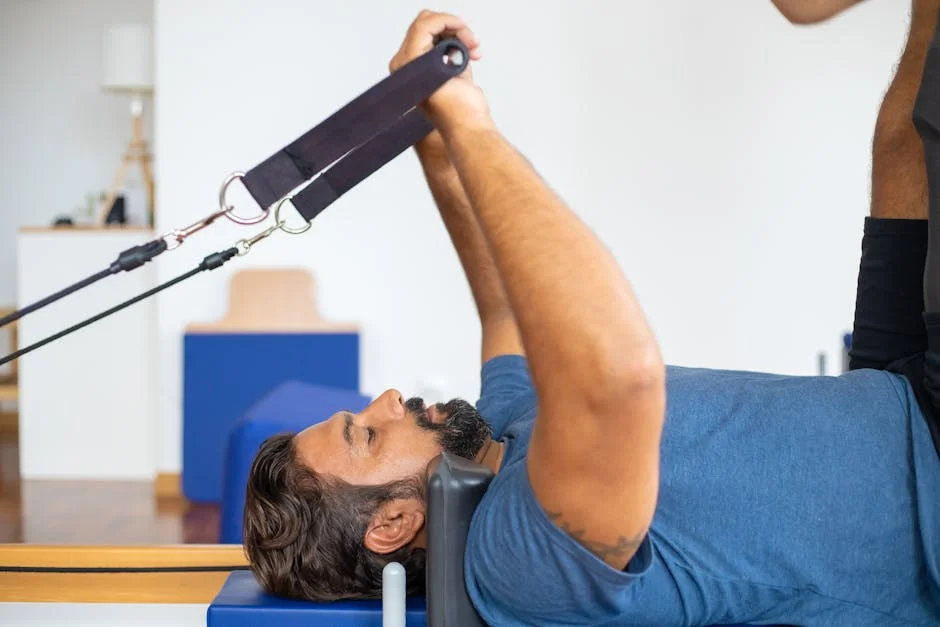
Dr. Adebayo Adesanya, a physical therapist based in Lagos, said the program could play a role in addressing the country’s growing health challenges. “Nigeria is facing a rise in lifestyle-related diseases such as obesity and heart conditions. Pilates, especially reformer Pilates, offers a structured way to improve posture, reduce injury risk, and build overall strength,” he said. “It’s not just a workout—it’s a holistic approach to health.”
Link to African Development Goals and Urban Health Challenges
The expansion of reformer Pilates in Nigeria aligns with broader African development goals, particularly those related to health and well-being. The United Nations’ Sustainable Development Goals (SDGs) emphasize the importance of good health and quality education, both of which are central to the Pilates movement. In cities like Lagos, where air pollution, traffic congestion, and limited access to green spaces pose significant health risks, programs like Think Pilates offer a viable solution for maintaining physical and mental wellness.
However, the program’s reach is still limited to wealthier urban centers. Many lower-income communities lack access to gyms and fitness facilities, raising concerns about the inclusivity of such initiatives. According to a 2023 report by the Nigerian Health Watch, only 15% of the population regularly engages in structured physical activity, with access to fitness infrastructure being a major barrier.
“We need more public-private partnerships to make fitness accessible to all,” said Nia Adebayo, a policy analyst at the Lagos Urban Development Institute. “If we want to meet the health targets set by the African Union, we must invest in community-based fitness programs and affordable wellness initiatives.”
Opportunities for Growth and Expansion
Think Pilates is not the only company exploring the fitness market in Nigeria. Other brands, including Yoga with Kemi and FitLife Nigeria, have also introduced Pilates and yoga programs in major cities. This growing competition could lead to more affordable options and greater accessibility, especially if the government supports initiatives that promote physical activity in public spaces.
One potential opportunity lies in integrating Pilates into school and workplace wellness programs. In 2023, the Lagos State Government launched a pilot project to introduce basic fitness routines in selected public schools, a move that could be expanded to include Pilates. Similarly, private companies are beginning to offer wellness days for employees, with Pilates classes becoming a popular choice.
Challenges in Scaling the Program
Despite the growing interest, scaling reformer Pilates across Nigeria faces several challenges. The initial cost of equipment and trained instructors makes it difficult for smaller gyms and community centers to offer the program. Additionally, there is a need for greater public awareness about the benefits of Pilates, particularly among older adults and those with chronic health conditions.
“We’re still in the early stages,” said Think Pilates’ head instructor, Chidi Okoro. “We need to build trust and show people how Pilates can improve their quality of life. It’s not just for athletes or celebrities—it’s for everyone.”
Looking ahead, the success of reformer Pilates in Nigeria will depend on how well it can adapt to local needs and resources. As the country continues to urbanize and face new health challenges, fitness initiatives like this could play a crucial role in supporting long-term development goals.
The next phase of the program will focus on expanding to secondary cities such as Kano and Ibadan, with a target of reaching 10,000 participants by 2025. If successful, this could signal a broader shift in how Nigerians approach health and fitness, with implications for the continent’s broader development agenda.
Frequently Asked Questions
What is the latest news about think pilates sparks debate over fitness trends in nigeria?
Think Pilates, a fitness brand, has launched a new reformer Pilates program in Lagos, drawing attention from health and wellness experts.
Why does this matter for economy-business?
The program, available at select gyms across the city, has already attracted over 500 participants in its first month, highlighting a growing interest in fitness solutions tailored for urban populations.
What are the key facts about think pilates sparks debate over fitness trends in nigeria?
With more people working in sedentary jobs and facing rising stress levels, the demand for effective, low-impact exercise has increased.
“We need more public-private partnerships to make fitness accessible to all,” said Nia Adebayo, a policy analyst at the Lagos Urban Development Institute. Other brands, including Yoga with Kemi and FitLife Nigeria, have also introduced Pilates and yoga programs in major cities.