Analysts have issued warnings that fuel and food prices in Nigeria could remain elevated for months, citing a combination of global supply chain disruptions, local policy challenges, and inflationary pressures. The country’s fuel price volatility has become a key concern for both households and businesses, with the National Bureau of Statistics reporting a 12% rise in consumer prices in April 2024. This development has drawn attention to the broader implications for Nigeria’s economic growth and its alignment with the African Development Bank’s (AfDB) goals for regional stability and development.
Global and Local Factors Fuel the Crisis
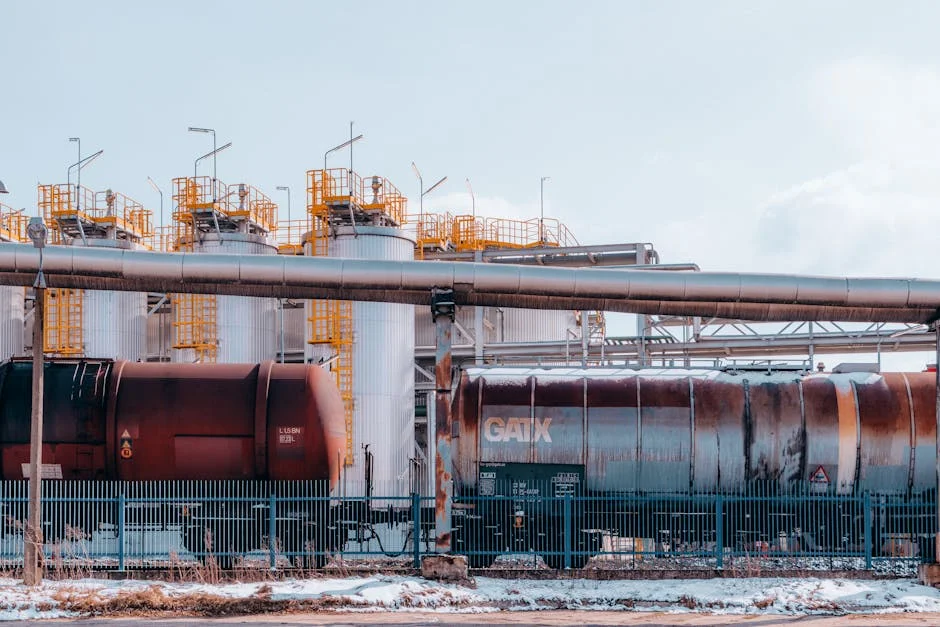
The spike in fuel prices is partly due to global oil market instability, with Brent crude prices fluctuating around $85 per barrel in early May 2024. However, local factors have exacerbated the situation. The Nigerian National Petroleum Corporation (NNPC) has struggled with liquidity issues, leading to delays in importing refined fuel. As a result, many stations have been operating at reduced capacity, pushing prices higher.
Dr. Chidi Nwosu, an economist at the University of Lagos, explained that the crisis is not just about oil. “The ripple effect on food prices is already visible,” he said. “Transportation costs have gone up, and this is being passed on to consumers.” The Nigerian government has attempted to stabilize the market through subsidies, but these have proven unsustainable in the long term.
The impact is most visible in Lagos, Nigeria’s economic hub. Fuel prices in the city have surged by 25% since March, according to the Lagos State Ministry of Trade. This has led to increased costs for goods, with some essential items like rice and bread seeing a 15% price hike. For low-income families, this has meant a significant strain on household budgets.
Impact on Development Goals and Economic Growth
The ongoing fuel and food price crisis poses a direct challenge to Nigeria’s economic development goals. The AfDB’s 2024 African Economic Outlook highlights the importance of stable energy and food prices for achieving the Sustainable Development Goals (SDGs), particularly those related to poverty reduction and economic resilience. Nigeria, as Africa’s largest economy, plays a crucial role in regional stability.
Analysts warn that the crisis could slow down progress toward the AfDB’s vision of “Agenda 2063,” which aims to create a more integrated, prosperous, and peaceful Africa. “If the government cannot address these price shocks quickly, it could undermine investor confidence and slow down much-needed infrastructure development,” said Dr. Amina Abubakar, a policy researcher at the African Institute for Economic Development and Planning (IDEP).
The crisis also highlights the need for greater investment in renewable energy and agricultural resilience. Nigeria’s dependence on fossil fuels and imported food makes it vulnerable to global market fluctuations. Experts like Dr. Nwosu argue that the country must diversify its energy sources and strengthen local food production to reduce its exposure to external shocks.
What’s Next for Nigeria’s Economy?
With the next major fuel price review scheduled for June, there is growing pressure on the Nigerian government to find a sustainable solution. The Central Bank of Nigeria (CBN) has already taken steps to curb inflation, raising interest rates by 1.5 percentage points in April. However, these measures have had limited success in curbing price hikes.
Analysts suggest that a multi-pronged approach is needed. This includes improving the efficiency of the NNPC, investing in local refining capacity, and implementing targeted subsidies for vulnerable groups. “The government needs to act now before the crisis deepens,” said Dr. Abubakar. “Otherwise, the long-term costs could be far greater.”
For now, the focus remains on the upcoming fuel price review. If the government fails to address the issue, the impact on Nigeria’s economic growth and social stability could be severe. Consumers, businesses, and policymakers are all watching closely, hoping for a resolution that brings stability to the market.
Looking Ahead: A Test for Economic Resilience
The coming weeks will be critical for Nigeria’s economic outlook. The government faces a difficult balancing act between maintaining price stability and ensuring the sustainability of its energy and agricultural sectors. Analysts predict that without decisive action, the current crisis could persist for months, further straining the livelihoods of millions of Nigerians.
As the country prepares for the next fuel price review, the debate over how to manage the crisis will continue. The outcome will not only shape Nigeria’s immediate economic trajectory but also its long-term ability to meet the development goals set by the AfDB and other continental partners. What happens next could determine whether Nigeria remains on track to become a more resilient and prosperous economy in the years to come.