In a surprising move, Russia has declined to share its crude export data with India, citing concerns over 'ill-wishers' undermining their commercial interests. This decision, made public in late October 2023, raises significant questions about the future of energy trade between the two nations and its broader implications for African economies reliant on oil exports.

India’s Growing Energy Needs

As one of the world's largest consumers of oil, India has been increasingly turning to Russia for its energy supplies, particularly in light of Western sanctions on Moscow following the Ukraine conflict. This refusal to disclose export data not only complicates India's import strategy but also heightens the uncertainty surrounding global oil markets.

Russia Refuses to Disclose Crude Export Data to India: Implications for African Markets — Economy Business
economy-business · Russia Refuses to Disclose Crude Export Data to India: Implications for African Markets

The Impact on African Oil Producers

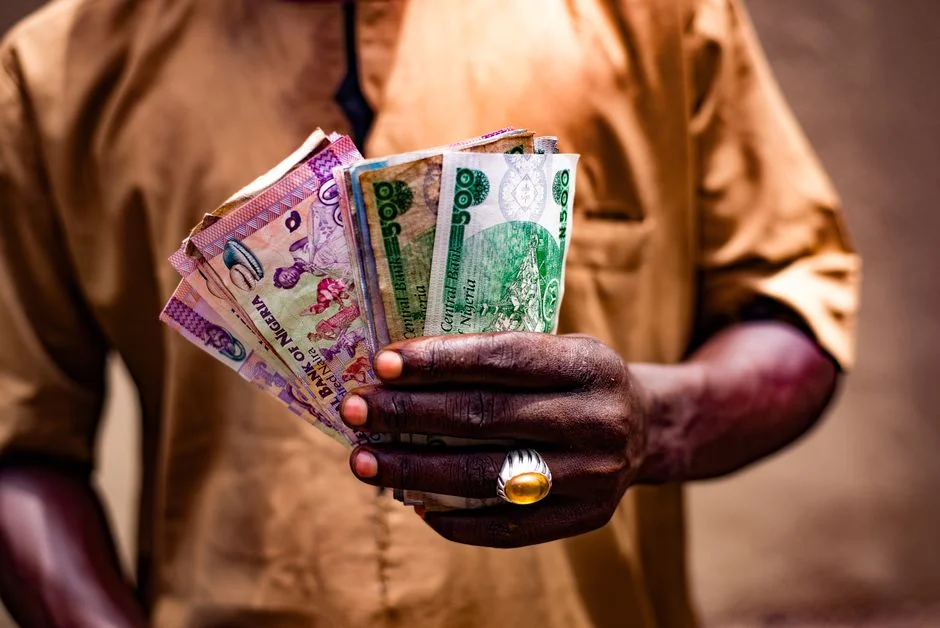
Many African nations, including Nigeria and Angola, depend heavily on oil revenue for their economic stability. Russia's decision may lead to fluctuations in global oil prices, which could adversely affect these countries' budgets and development goals. With Africa's aspirations to attain energy independence and sustainable development hampered by external market dynamics, the implications of this diplomatic spat are profound.

Russia's Strategic Positioning

By withholding export data, Russia aims to strengthen its negotiating power in the face of geopolitical tensions. Such a strategy may foster closer ties with India, yet it raises concerns for other oil-exporting nations, particularly in Africa, which may find themselves competing against an increasingly strategic Russian approach. As African states seek to diversify their energy partnerships, the Russian stance presents both challenges and opportunities.

Economic Growth and Governance Implications

Economic growth in African nations is intricately linked to energy access and governance structures. With global oil markets in flux due to Russia's actions, African governments must navigate these challenges carefully. They need to ensure that energy policies align with developmental goals while also addressing governance issues that may arise from increased competition for resources.

What Lies Ahead for Nigeria and Africa?

As Nigeria grapples with its own energy crisis and seeks to increase oil production, the fallout from Russia's refusal to share data may necessitate a reevaluation of its trade strategies. The Nigerian government will need to focus on stabilising its economy while monitoring how Russian energy policies will impact its market. The next steps for both India and African oil producers will be crucial in understanding how this complex relationship between Russia and India unfolds, especially in light of Africa's development goals.

Frequently Asked Questions

What is the latest news about russia refuses to disclose crude export data to india implications for african markets?

In a surprising move, Russia has declined to share its crude export data with India, citing concerns over 'ill-wishers' undermining their commercial interests.

Why does this matter for economy-business?

This refusal to disclose export data not only complicates India's import strategy but also heightens the uncertainty surrounding global oil markets.The Impact on African Oil ProducersMany African nations, including Nigeria and Angola, depend heavily

What are the key facts about russia refuses to disclose crude export data to india implications for african markets?

With Africa's aspirations to attain energy independence and sustainable development hampered by external market dynamics, the implications of this diplomatic spat are profound.Russia's Strategic PositioningBy withholding export data, Russia aims to s

Editorial Opinion

Such a strategy may foster closer ties with India, yet it raises concerns for other oil-exporting nations, particularly in Africa, which may find themselves competing against an increasingly strategic Russian approach. The Nigerian government will need to focus on stabilising its economy while monitoring how Russian energy policies will impact its market.

— panapress.org Editorial Team
Poll
Do you agree with the experts quoted in this article?
Yes71%
No29%
224 votes
D
Author
Is a business and economic affairs writer focusing on global markets, African economies, entrepreneurship, and international trade trends. With a strong interest in financial innovation, digital transformation, and sustainable economic development, he analyzes how policy decisions, investment flows, and emerging technologies shape modern business environments.

Daniel regularly covers topics such as macroeconomic trends, startup ecosystems, cross-border commerce, and corporate strategy, providing readers with clear insights into complex economic developments. His work aims to bridge global financial news with practical business perspectives relevant to professionals, investors, and decision-makers worldwide.