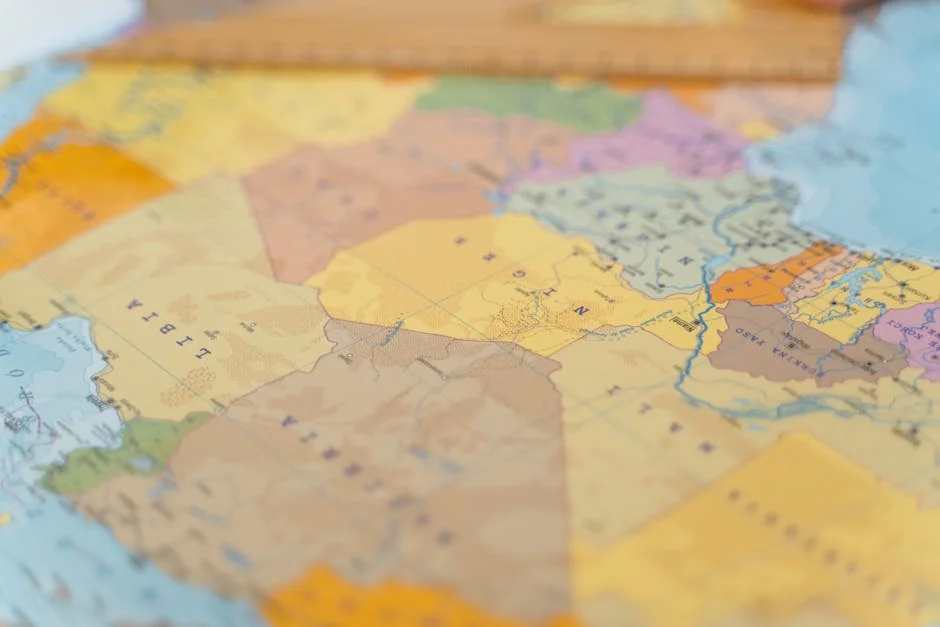
The European Central Bank (ECB) has announced a significant reduction in its projected losses, forecasting a decline to €1.3 billion by 2025. This announcement, made on 4th October 2023, is crucial not only for Europe but also for African economies, which are increasingly interconnected with European monetary policy.
ECB's Financial Adjustments Amid Economic Turbulence
The European Central Bank has faced various economic challenges, including inflation and supply chain disruptions exacerbated by the global pandemic. The anticipated reduction in losses reflects the ECB's efforts to stabilise the European economy and respond to financial pressures, particularly in the wake of rising interest rates. This adjustment comes at a time when many African nations are seeking to bolster their economic ties with Europe.
Why Africa Should Pay Attention to the ECB's Financial Health
The European Central Bank's financial decisions have far-reaching effects on economies around the world, including Nigeria. As one of Africa's largest economies, Nigeria is heavily influenced by European market trends and policies. The ECB's stability can lead to improved investor confidence, potentially attracting European investments into African markets. This is particularly relevant for sectors such as infrastructure and technology that are pivotal for achieving the African Union's Agenda 2063 development goals.
Opportunities for African Economies in a Recovering Europe
With a more stable ECB, African nations might find new opportunities for trade and collaboration. For instance, the reduction in losses may lead to lower borrowing costs in Europe, enabling African countries to access capital at more favourable rates. This could enhance funding for critical sectors like health and education, which are in dire need of investment to meet the Sustainable Development Goals (SDGs).
Challenges on the Horizon: Economic Dependencies
However, the relationship between African economies and the ECB is not without its challenges. The dependence on European financial markets can expose African countries to economic shocks, especially in times of geopolitical tensions or economic downturns in Europe. Nigeria, for example, must navigate these complexities while trying to diversify its economy and reduce reliance on oil exports.
Future Monitoring: What to Watch for Next
As the ECB moves forward with its financial strategies, stakeholders in Africa should monitor how these developments influence investment flows and economic partnerships. The goal should be to leverage any economic benefits while simultaneously addressing the vulnerabilities tied to external financial dependencies. In the coming months, the focus will shift to how these financial adjustments will translate into tangible support for African development initiatives.
This could enhance funding for critical sectors like health and education, which are in dire need of investment to meet the Sustainable Development Goals (SDGs).Challenges on the Horizon: Economic DependenciesHowever, the relationship between African economies and the ECB is not without its challenges. This is particularly relevant for sectors such as infrastructure and technology that are pivotal for achieving the African Union's Agenda 2063 development goals.Opportunities for African Economies in a Recovering EuropeWith a more stable ECB, African nations might find new opportunities for trade and collaboration.