South Africa is actively exploring new trade markets as US tariffs impact its export dynamics, particularly those reliant on the Chinese economy. This shift has become increasingly urgent as the nation's economic resilience is tested against the backdrop of changing geopolitical landscapes.
Tariff Impacts on South African Exports
In recent months, South African goods have faced increased tariffs when entering the United States, a trend that has been particularly detrimental to sectors such as agriculture and mining. This has compelled South Africa to look beyond traditional markets to sustain its economic growth. In a statement earlier this week, South African Trade and Industry Minister Ebrahim Patel noted, "We must diversify our trade relationships to mitigate the impacts of these tariffs and ensure economic stability."
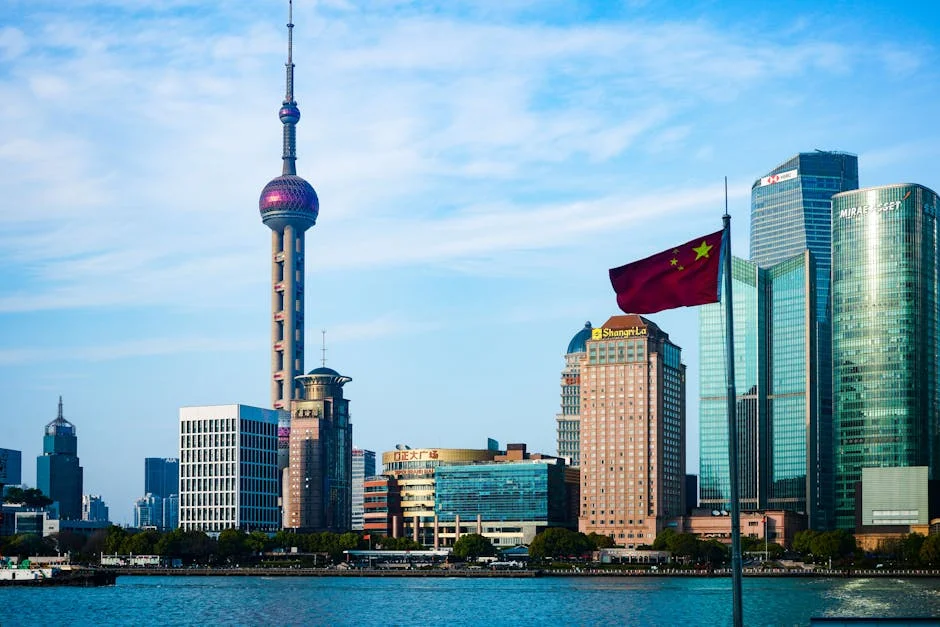
China's Role in South Africa's Trade Strategy
China remains a significant trading partner for South Africa, with over $10 billion in trade volume reported in 2022 alone. However, as the China economy faces its own challenges, including slowing growth and regulatory crackdowns, South Africa's reliance on Chinese imports and exports poses risks. Recent developments in China, including shifts towards more inward-focused economic policies, may further complicate South Africa's trade strategies. Analysts suggest that this situation necessitates a balance; as South Africa seeks to engage with China, it must also explore alternative markets.
African Development Goals and Market Diversification
This pivot towards new markets aligns with broader African development goals, particularly the African Continental Free Trade Area (AfCFTA), aimed at boosting intra-African trade. South Africa's efforts to diversify its export markets could enhance regional economic integration. By reducing dependency on external economies, South Africa contributes to a more resilient African market, which is especially crucial in times of global economic uncertainty.
Navigating Continental Challenges
Despite the opportunities presented by market diversification, South Africa faces several challenges. Infrastructure deficits, bureaucratic hurdles, and political instability in other African countries can impede trade initiatives. For example, South Africa's recent attempts to enhance trade relations with Nigeria, Africa's largest economy, have been met with logistical issues. Strengthening regional transport and trade infrastructure is critical to overcoming these barriers and ensuring that African countries can trade among themselves more effectively.
What’s Next for South Africa?
Moving forward, South Africa's focus on forging new partnerships will be crucial. The government is reportedly in talks with several African nations to enhance trade agreements and reduce tariffs within the continent. Observers are keenly watching how these negotiations unfold and what they mean for regional economic growth. As South Africa navigates this complex landscape, its ability to adapt will not only determine its economic future but also influence broader continental development trends.
Frequently Asked Questions
What is the latest news about south africa seeks new trade markets amidst us tariff pressures?
South Africa is actively exploring new trade markets as US tariffs impact its export dynamics, particularly those reliant on the Chinese economy.
Why does this matter for economy-business?
This has compelled South Africa to look beyond traditional markets to sustain its economic growth.
What are the key facts about south africa seeks new trade markets amidst us tariff pressures?
However, as the China economy faces its own challenges, including slowing growth and regulatory crackdowns, South Africa's reliance on Chinese imports and exports poses risks.