In a recent statement, the Polícia de Macau has refuted allegations that it is rejecting work visas for Japanese artists, igniting discussions about cultural exchange and economic growth in the region. This denial comes amidst increasing scrutiny over how Macau's immigration policies impact its burgeoning arts scene.
Understanding Macau's Cultural Landscape
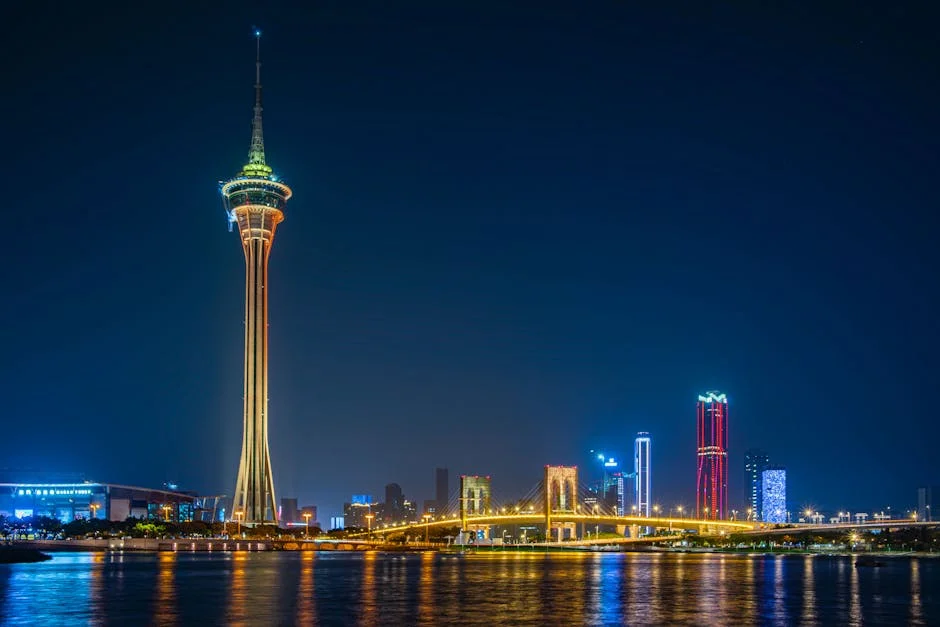
Macau, a vibrant Special Administrative Region of China, is known for its unique blend of Portuguese and Chinese cultures. Its arts sector has been expanding, attracting talents from around the world. However, the recent controversy over work visas highlights the delicate balance Macau must maintain between cultural integration and local governance. As the region seeks to establish itself as a cultural hub, the ability to attract international artists is crucial.
The Visa Controversy: What Happened?
On October 10, 2023, reports surfaced claiming that Japanese artists were facing difficulties obtaining work visas in Macau. This raised alarms within the artistic community and prompted a public outcry. In response, the Polícia de Macau firmly stated that there were no such refusals in place, aiming to clarify that all visa applications are processed fairly and without bias. The agency emphasized its commitment to fostering an inclusive environment for all artists.
Implications for Artistic Exchange and Economic Development
This incident is more than just a bureaucratic issue; it touches on broader themes of cultural exchange and economic growth in Macau. The region's development goals are closely aligned with its ability to host international events and showcase diverse artistic talents. The arts sector is increasingly viewed as a significant component of economic diversification, which is essential for Macau as it transitions from a gambling-centric economy to one that embraces culture and creativity.
Linking Macau's Developments to African Goals
As Africa pursues its own ambitious development goals, the situation in Macau serves as a reminder of the importance of inclusive policies that encourage cultural exchange. The African Union's Agenda 2063 envisions a continent where cultural industries thrive and contribute to economic growth. Just as Macau seeks to attract international talents, African nations can cultivate their own creative sectors to bolster economic resilience and foster international partnerships.
Future Outlook: What to Watch For
Moving forward, observers should keep an eye on how Macau's immigration policies evolve in response to both local and international pressures. The region's ability to sustain a robust arts scene will depend on its willingness to embrace diversity and facilitate artistic exchanges. Additionally, as African nations learn from Macau's experiences, there is an opportunity to develop tailored strategies that promote their own cultural sectors while addressing governance and infrastructure challenges.
The arts sector is increasingly viewed as a significant component of economic diversification, which is essential for Macau as it transitions from a gambling-centric economy to one that embraces culture and creativity.Linking Macau's Developments to African GoalsAs Africa pursues its own ambitious development goals, the situation in Macau serves as a reminder of the importance of inclusive policies that encourage cultural exchange. The agency emphasized its commitment to fostering an inclusive environment for all artists.Implications for Artistic Exchange and Economic DevelopmentThis incident is more than just a bureaucratic issue; it touches on broader themes of cultural exchange and economic growth in Macau.