Recent tensions in Ethiopia's Tigray region raise concerns about a potential return to conflict. Following a fragile peace agreement in late 2022, reports suggest that military actions have resumed, threatening the stability of a nation already grappling with severe humanitarian crises. This situation not only impacts Ethiopia but poses wider challenges for African development goals and regional stability.
Renewed Clashes: A Threat to Peace in Tigray
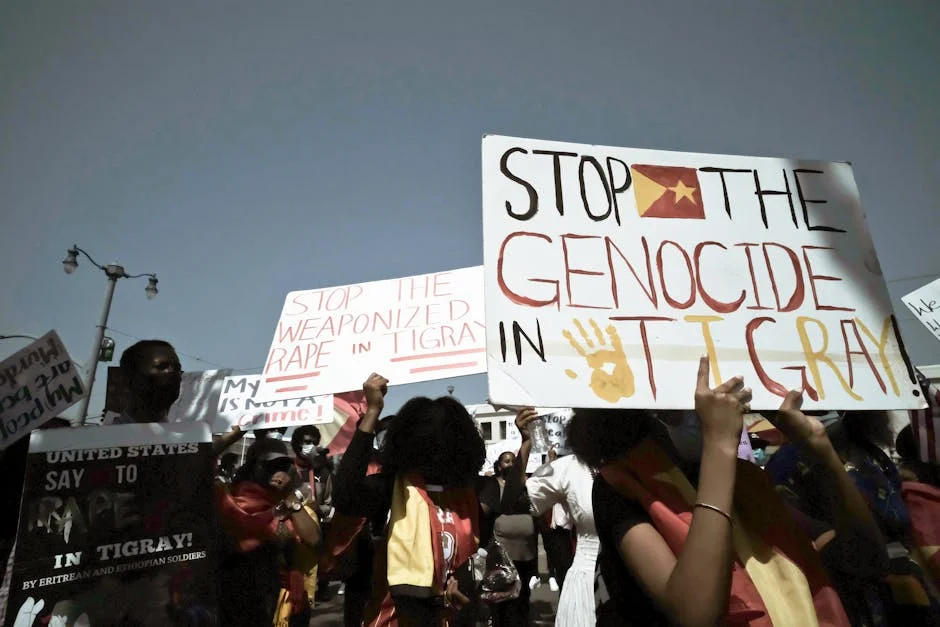
In recent weeks, armed confrontations have erupted in Tigray, leading to alarming reports of civilian casualties and displacements. The Ethiopian government and Tigrayan forces have exchanged accusations of ceasefire violations, raising fears that the fragile peace brokered last year could collapse. This development comes after two years of brutal conflict that resulted in thousands of deaths and widespread famine.
The Humanitarian Crisis: A Looming Challenge for Development
The resumption of hostilities in Tigray has exacerbated an already dire humanitarian situation. Over five million people in the region face food insecurity, with aid agencies struggling to deliver essential services amid ongoing violence. According to the United Nations, the situation in Tigray represents one of the worst humanitarian crises globally, undermining Ethiopia's ability to meet its Sustainable Development Goals (SDGs).
Regional Stability: How Ethiopia's Conflict Affects Neighbouring Countries
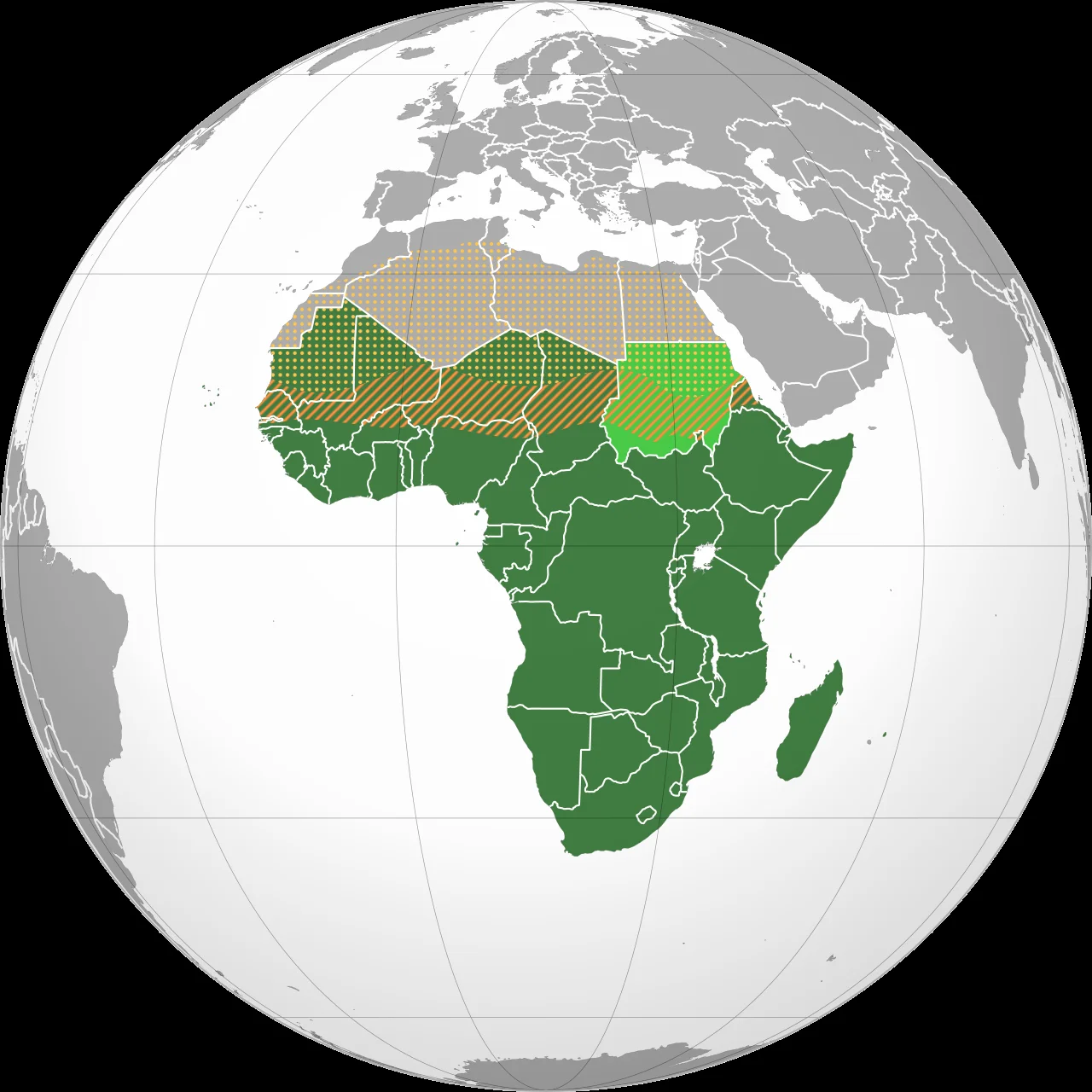
As one of the East African region's most populous countries, Ethiopia's instability reverberates throughout the Horn of Africa. Neighbouring nations like Kenya and Somalia are closely monitoring the situation, as renewed conflict could lead to an influx of refugees and further destabilisation. The African Union has called for dialogue but faces challenges in mediating effectively given the complexities of the situation.
Governance and Development: A Pan-African Perspective
The ongoing conflict in Ethiopia highlights broader governance issues that many African nations confront. Trust in government institutions is waning, and as Ethiopia grapples with internal strife, the implications for economic growth and development are severe. Nations facing similar governance challenges may find it increasingly difficult to attract foreign investment or achieve economic stability.
Lessons for Nigeria and Other African Nations
For countries like Nigeria, the events in Ethiopia serve as a cautionary tale. Nigeria has its share of internal conflicts, and the lessons from Ethiopia can inform strategies for peacebuilding and conflict resolution. As Nigeria strives to achieve its own development goals, the necessity for cohesive governance and effective dialogue becomes apparent.
Next Steps: What to Watch for in Ethiopia
As the situation unfolds, observers should pay close attention to the responses from both the Ethiopian government and the international community. Continued violence could derail ongoing humanitarian efforts and hinder Ethiopia’s progress towards its development objectives. The international community must advocate for a renewed commitment to peace and stability to prevent further escalation. Achieving lasting peace in Tigray will be crucial not just for Ethiopia, but for the entire continent, as it seeks to navigate its developmental challenges.
The African Union has called for dialogue but faces challenges in mediating effectively given the complexities of the situation.Governance and Development: A Pan-African PerspectiveThe ongoing conflict in Ethiopia highlights broader governance issues that many African nations confront. Trust in government institutions is waning, and as Ethiopia grapples with internal strife, the implications for economic growth and development are severe.