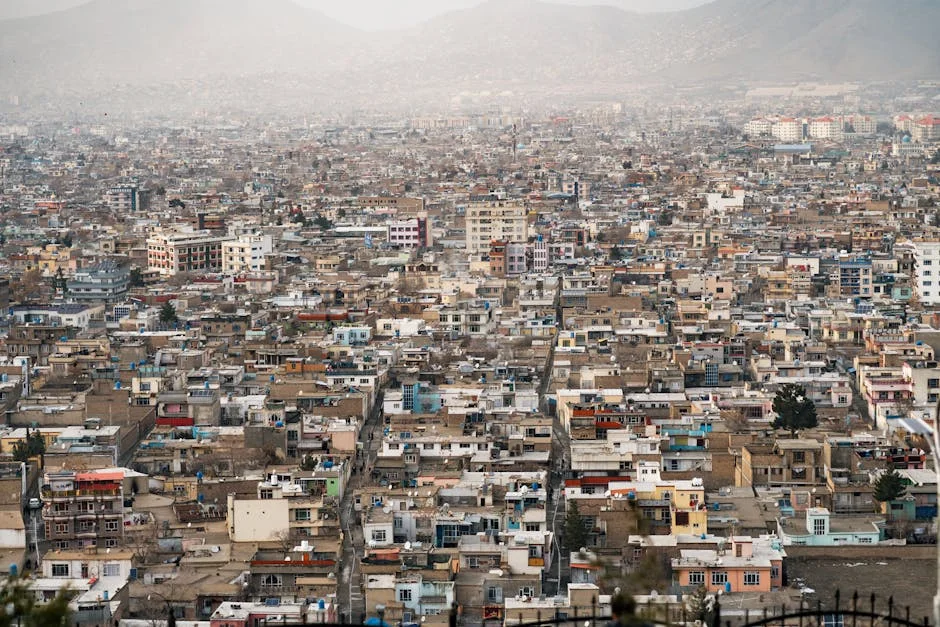
In a stark warning, UN Aid Chief Tom Fletcher has highlighted the escalating humanitarian crisis in South Sudan during a visit to the country this week. The urgent plea for increased international support underscores the dire needs facing millions in one of the world's youngest nations.
Humanitarian Crisis Deepens Amid Ongoing Conflict
South Sudan is grappling with a multifaceted humanitarian crisis exacerbated by ongoing conflict, economic instability, and climate-related disasters. Tom Fletcher, leading the UN humanitarian office, reported that over 9 million people, nearly three-quarters of the population, are in need of assistance. This figure marks a significant increase from previous years, signalling the urgent need for immediate action.
Historical Context: A Fragile State Struggling for Stability
Since gaining independence in 2011, South Sudan has faced relentless challenges, from civil war to economic collapse. The nation’s struggles highlight a broader narrative concerning African development goals, particularly in governance and infrastructure. With aid agencies often hamstrung by insecurity and logistical challenges, the situation remains precarious. The conflict has also led to a fragmentation of governance, complicating efforts to deliver essential services.
Opportunities for International Support and Local Resilience
Tom Fletcher's visit brings renewed attention to the pressing needs in South Sudan, but it also presents an opportunity for international partners to engage more deeply. Enhanced cooperation could lead to improved governance structures and the establishment of sustainable systems for health and education. Fletcher emphasised the importance of not only addressing immediate humanitarian needs but also investing in long-term development initiatives that align with the African Union’s Agenda 2063.
Health and Education: Cornerstones of Recovery
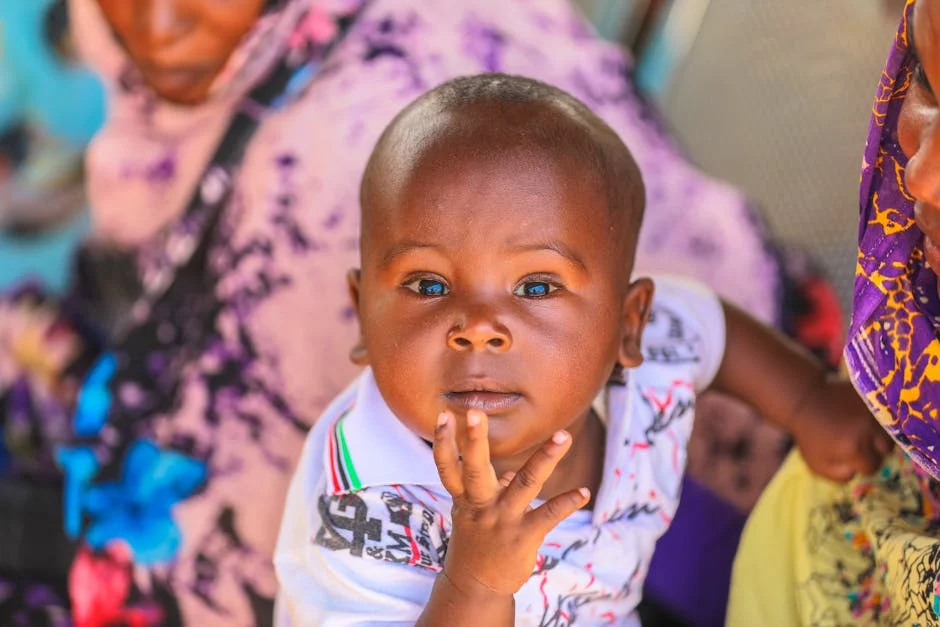
Access to health and education is severely compromised in South Sudan, with many children out of school and health facilities either destroyed or under-resourced. Fletcher's advocacy for bolstering these sectors is critical to fostering a more resilient society. The success of initiatives in health and education could set a precedent for other countries facing similar challenges on the continent, demonstrating that progress is possible even amidst adversity.
Consequences of Inaction: A Warning for the Region
The continued neglect of South Sudan’s humanitarian crisis could have ripple effects across the region, potentially destabilising neighbouring countries. As economic growth remains stunted, the implications for governance and development goals become more pronounced. The international community must heed Fletcher’s warnings and take proactive measures to avoid a deepening crisis that could hinder the entire region's progress.
Frequently Asked Questions
What is the latest news about un aid chief tom fletcher sounds alarm on south sudans dire situation?
In a stark warning, UN Aid Chief Tom Fletcher has highlighted the escalating humanitarian crisis in South Sudan during a visit to the country this week.
Why does this matter for technology-innovation?
Tom Fletcher, leading the UN humanitarian office, reported that over 9 million people, nearly three-quarters of the population, are in need of assistance.
What are the key facts about un aid chief tom fletcher sounds alarm on south sudans dire situation?
The nation’s struggles highlight a broader narrative concerning African development goals, particularly in governance and infrastructure.